
Blooming
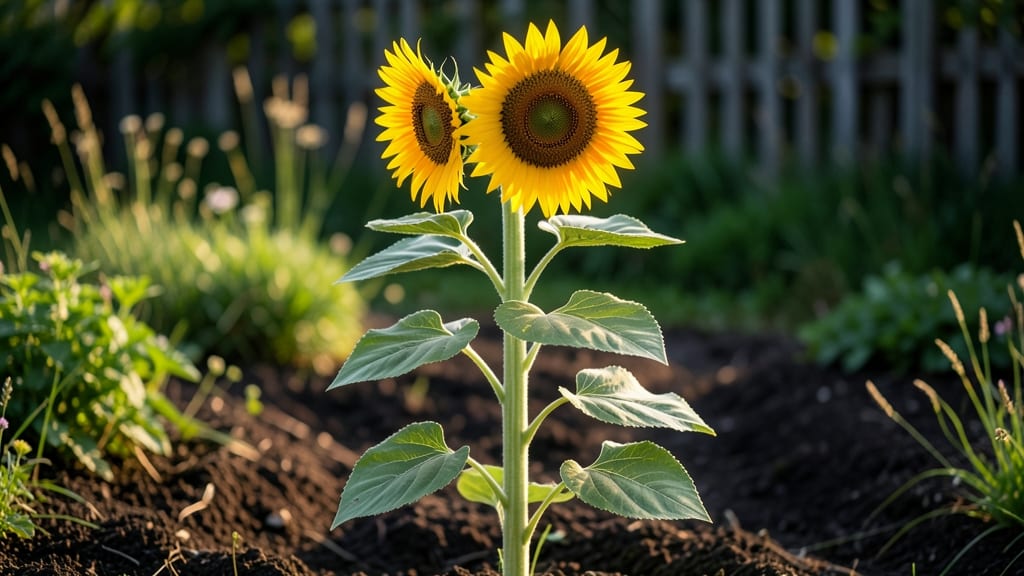
Sunflowers start to bloom at different times depending on the variety you plant, but most gardeners see those cheerful 🌻 faces appear between 50 and 120 days after sowing seeds. If you're eager to enjoy their vibrant colors by mid-summer, timing your planting window matters more than you might think.
For example, dwarf varieties like 'Teddy Bear' often bloom in just 50-60 days, while giant types such as 'Russian Giant' can take up to 120 days or longer.
The key to getting them to bloom on schedule lies in understanding your local climate and giving them the right growing conditions.
In USDA Zone 6a, where spring planting typically happens between April and May, most sunflowers begin flowering in July. But with a few simple adjustments—like proper sunlight, watering, and soil prep—you can encourage earlier blooms that brighten up your garden sooner.
Whether you're growing sunflowers for their beauty, seeds, or bird-friendly blooms, knowing when to expect those sunny faces helps you plan your garden layout and care routine. Let's break down exactly what affects bloom time and how you can work with nature to get the most out of your plants.
Sunflower bloom time by variety: days after planting guide
If you've ever wondered "when do sunflowers start to bloom", the answer depends entirely on the variety you choose. Some sunflowers pop into bloom in as few as 50 days, while others take nearly 120 days to reach their full, cheerful faces.
The key lies in understanding how dwarf, mid-size, and giant varieties differ in their growth timelines—and how your local climate plays a role.
For example, my 'Teddy Bear' sunflowers—those adorable, 2-foot-tall beauties—typically bloom in about 60 days, making them perfect for container gardens or small spaces. Meanwhile, the towering 'Russian Giant' varieties can take up to 120 days to reach their massive, 12-foot heights and show their golden faces.
Let's break down exactly what to expect from each type.
🌻
Understanding these timelines helps you plan your garden layout and harvest schedule. For instance, if you want continuous blooms all summer, I recommend planting a mix of early and late varieties. Start with 'Moulin Rouge'
How to speed up or delay sunflower blooming naturally
Want those bright sunflower faces to appear earlier—or hold off their blooming until later in the season? The good news is you can naturally adjust bloom timing with simple gardening techniques.
Sunflowers respond well to changes in watering, sunlight, and soil nutrients, giving you control over when those cheerful blooms make their debut.
For example, if you're aiming for early summer blooms, you can encourage faster growth by increasing sunlight exposure and providing consistent moisture. Conversely, if you want to delay blooming until late summer or early fall, reducing nutrients and adjusting planting times can help stretch the growing season.
Here’s how to fine-tune your sunflowers’ bloom schedule without chemicals or shortcuts:
- 1 Boost sunlight exposure to 8+ hours daily for faster blooming. Move plants to sunnier spots or use reflective surfaces like white walls to redirect light.
- 2 Water deeply 2-3 times weekly during dry spells to encourage root growth and early flowering. Avoid overwatering, which can delay blooms.
- 3 Apply a balanced fertilizer (10-10-10) at planting and again mid-season to speed up blooming. For delayed blooms, skip fertilizer until late summer.
- 4 Plant earlier in spring (after last frost) for summer blooms or later in summer (July-August) to delay blooms until fall.
- 5 Use mulch to retain moisture and cool roots, which can slow growth and delay blooming—ideal for extending the season.
If you’re growing giant sunflowers, like 'Russian Giant,' they naturally take longer to bloom, but these techniques can still shave off 1-2 weeks from their timeline. For dwarf varieties, like 'Teddy Bear,' you’ll see blooms even faster with these adjustments.
Remember, sunflowers thrive on consistency. Whether you’re rushing or delaying blooms, stick to your chosen method for at least 4-6 weeks to see noticeable results.
With the right care, you can enjoy sunflowers in bloom exactly when you want them—whether that’s for a summer wedding bouquet or a fall harvest.
Experiment with these methods to find what works best for your climate and garden. Happy growing! 🌻