
Plants
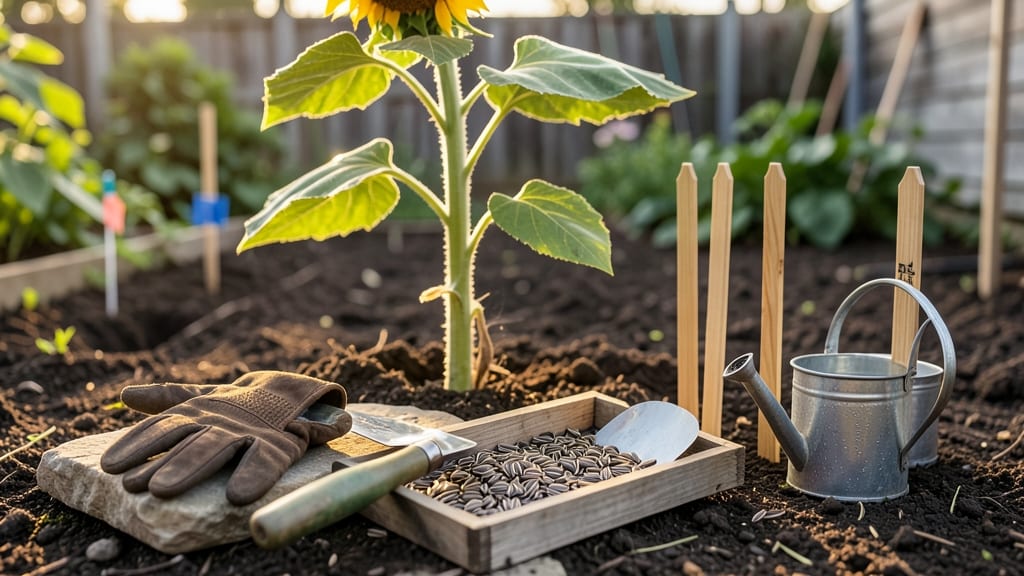
Planting sunflower seeds in Michigan at the right time means the difference between towering 🌻 blooms reaching for the sky and wilted stalks struggling against late frosts. With USDA zones 5b-6b and unpredictable spring weather, timing isn't just about dates—it's about reading your local climate cues.
Most Michigan gardeners wait until mid-April to mid-June, but the key is soil temperature, not just calendar pages. Seeds need warmth—at least 55°F—to sprout reliably, and that timing shifts 1-2 weeks depending on whether you're in northern 5b or southern 6b zones.
Here's what you need to know: direct-sowing outdoors after your last frost date works best for sunflowers, but if you're in a cooler microclimate, a quick-start trick like using row covers can shave critical days off your growing season.
I'll walk you through the exact steps to avoid common pitfalls—like planting too early and risking frost damage or too late and missing peak summer blooms.
By the end, you'll have a clear zone-specific planting timeline, soil prep tips, and even how to handle Michigan's infamous "April snow" surprises. Let's get those sunflowers thriving!
Michigan sunflower planting dates by USDA Zone (2024 frost-free timeline)
Sunflowers thrive in Michigan’s USDA Zones 4-6, but planting timing varies dramatically between northern Zone 4 and southern Zone 6 regions.
The key to success is waiting until the soil warms to 55°F (13°C) and the risk of frost has passed—typically 2-3 weeks after your area’s last average frost date.
In colder zones, this might mean waiting until mid-May, while southern Michigan gardeners can start as early as late April.
Michigan’s frost-free growing season ranges from just 120 days in Zone 4 to over 160 days in Zone 6, giving sunflowers (which need 70-120 days to maturity) just enough time to reach their full 4-14-foot height.
The 2024 frost-free timeline below helps you pinpoint the perfect window for your specific location, whether you’re in Detroit (Zone 6b) or Traverse City (Zone 5b).
| USDA Zone | Last Frost Date | Optimal Planting Window | Soil Temp Threshold | First Frost Risk | Microclimate Tip |
|---|---|---|---|---|---|
| Zone 4 (Northern MI) | May 10-20 | May 25 - June 10 | 55°F (13°C) | Mid-October | Use row covers for early starts |
| Zone 5a (Upper Peninsula) | May 5-15 | May 20 - June 5 | 55°F (13°C) | Late September | Choose early-maturing varieties |
| Zone 5b (Traverse City) | May 1-10 | May 15 - May 31 | 55°F (13°C) | Early October | Great Lakes moderates temperatures |
| Zone 6a (Grand Rapids) | April 25 - May 5 | May 1 - May 20 | 50°F (10°C) | Mid-October | Urban areas may warm faster |
| Zone 6b (Detroit) | April 15-25 | April 30 - May 15 | 50°F (10°C) | Late October | Warmer microclimates allow earlier planting |
For gardeners in Zone 4, the 2024 planting window is narrow—waiting until late May minimizes frost risk while still allowing sunflowers to mature before the first frost in mid-October.
In Zone 5b, you can push planting to early June for a second crop, though this may result in smaller blooms. Southern Michigan’s Zone 6b offers the most flexibility, with April 30 being a safe start date for early varieties like 'Autumn Beauty'.
Always verify your local frost dates using the Michigan State University Extension or Almanac’s Frost Calculator, as urban areas like Ann Arbor can experience 5-7°F warmer microclimates than rural zones.
If you’re unsure, conduct a simple soil temperature test with a thermometer—sunflowers won’t germinate below 50°F (10°C), and growth stalls under 60°F (16°C).
Pro tip: In cooler zones, direct-sow seeds rather than starting indoors—sunflowers hate transplanting and may develop weak stems. Plant seeds 1 inch deep and 6 inches apart in
5 Critical factors that determine the best planting time for sunflowers in Michigan
When planting sunflower seeds in Michigan, frost dates are just the starting point. The real game-changers are soil temperature, moisture balance, and seed depth. Sunflowers need soil that's at least 55°F (13°C) to germinate—colder soil means delayed or failed sprouts, even if the calendar says it's spring.
I've learned the hard way that rushing seeds into chilly ground leads to rot, not roots.
Michigan's USDA zones 5b-6b create another layer of complexity. Northern areas like Traverse City (zone 5b) often need 2-3 extra weeks of waiting compared to southern regions like Detroit (zone 6b).
This delay isn't just about frost—it's about giving the soil time to warm enough for those 1-inch-deep seeds to sprout reliably.
Here are the 5 critical factors that determine the perfect planting window for Michigan sunflowers, beyond just checking the frost date calendar:
I've found that using row covers in my zone 5b garden lets me plant sunflowers as early as late April, even when the ground is still cold.
The secret is checking soil temperature daily with a thermometer—don't rely on air temperature alone. Sunflowers are forgiving plants, but they won't tolerate cold, wet soil.
For maximum bloom time, aim to plant when your area has 100+ frost-free days remaining. This gives sunflowers enough time to reach maturity before Michigan's first frost (typically mid-October).
In cooler northern zones, focus on dwarf varieties like 'Moulin Rouge' that mature in 70-80 days rather than standard varieties needing 90+ days.
Pro tip: If you're unsure about timing, plant a test row 2 weeks before your target date. Cover it with row fabric if frost threatens. This gives you real-world data about your specific microclimate—something no frost date chart can predict. Happy planting! 🌻