
Blooming
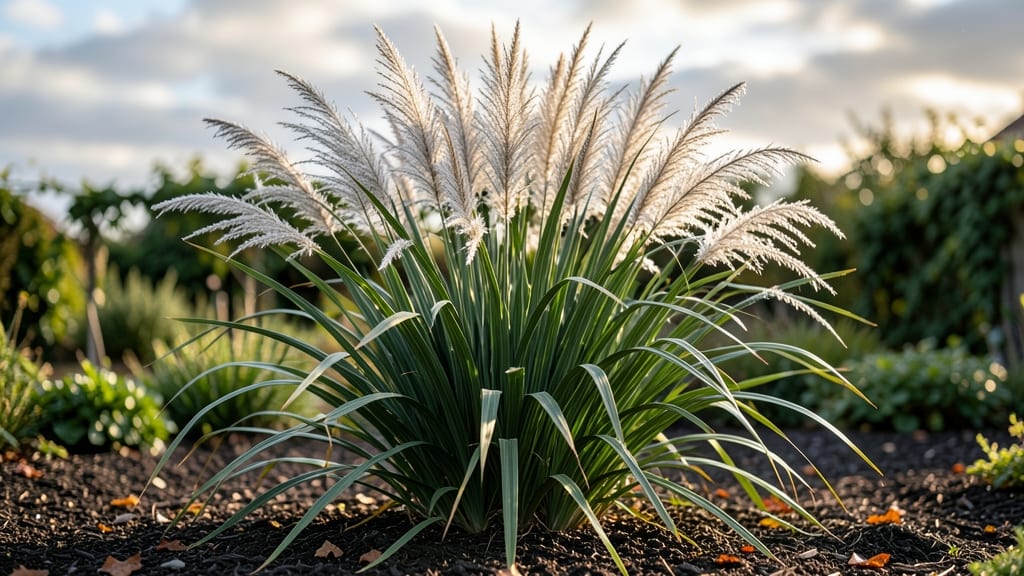
If you're waiting for your Pampas Grass 🌿 to flower and burst into those signature fluffy plumes, timing is everything—and missing the bloom window can leave you staring at bare stems.
The good news? Understanding your USDA zone gives you a precise roadmap for when to expect those dramatic clouds of color.
Most Pampas Grass varieties in warmer zones (7–11) typically flower between late summer and fall, with peak blooms arriving in September or October. But cooler zones like 6a might see a delayed show, often stretching into early November.
The key? Sunlight and warmth trigger the blooms, so your location plays a starring role.
Want to encourage earlier—or longer—flowering? The right care makes all the difference. From pruning strategies to soil prep, small tweaks can extend your Pampas Grass’s showstopping season. Let’s break down exactly what works and why.
And if your Pampas Grass isn’t flowering at all? We’ll troubleshoot the most common reasons—so you can get back to enjoying those dreamy, feather-like plumes sooner than you think.
Pampas grass flowering timeline by USDA Zone: month-by-month breakdown
Timing your pampas grass (Cortaderia selloana) blooms means knowing your USDA zone—this ornamental grass thrives in zones 7 through 11, but its flowering window shifts dramatically depending on where you live.
In warmer zones like 10-11, you might see plumes as early as June, while gardeners in Zone 7 often wait until late September for that signature fluffy display.
Climate plays a huge role: cooler zones experience shorter bloom seasons, while tropical zones enjoy extended displays. Even within a zone, microclimates—like coastal areas or urban heat islands—can push blooms 2-4 weeks earlier than inland locations.
Understanding these variations helps you set realistic expectations and plan your garden layout for maximum impact.
| USDA Zone | Early Bloom | Peak Bloom | Late Bloom | Notes |
|---|---|---|---|---|
| Zone 7 | Late August | September-October | Early November | Cooler nights delay blooms; prune after frost. |
| Zone 8 | Early August | September-October | Mid-November | Humidity extends bloom; deadhead spent plumes. |
| Zone 9 | June-July | August-September | October | Year-round warmth; blooms may repeat. |
| Zone 10 | May-June | July-August | September | Tropical heat; may bloom twice yearly. |
| Zone 11 | April-May | June-July | August-September | Year-round potential; drought stress shortens blooms. |
In Zone 7, where winters are colder, pampas grass often waits until late summer to bloom, with peak displays stretching into October. The first frost can cut blooms short, so I always plant mine in full sun spots where they’ll soak up heat before the chill sets in.
Gardeners in Zone 9 and above enjoy a longer window—sometimes June through October—because warmer temperatures trigger earlier growth. I’ve seen pampas grass in Zone 10 produce two bloom cycles per year if given consistent water and well-draining soil. The key is monitoring moisture levels; drought stress delays flowering.
If you’re in Zone 8, you’ll notice blooms starting as early as August, but humidity can prolong the display. I recommend deadheading spent plumes to encourage new growth and keep your garden looking tidy.
In my experience, Zone 8 pampas grass often blooms 2-3 weeks later than in Zone 9 due to cooler nights.
For tropical Zone 11 gardeners, pampas grass can bloom almost year-round, but the most dramatic displays happen in spring and fall. The challenge here is preventing overwatering, which can lead to fungal issues.
I’ve found that letting the soil dry slightly between waterings keeps my plants healthy and flowering consistently.
No matter your zone, sunlight exposure is critical. Pampas grass needs 6+ hours of direct sun daily to trigger blooming. If your plant isn’t flowering, check its location—shade-loving spots will leave you with bare stems.
I once had a pampas grass in partial shade that took 3 years to bloom, while a sun-exposed clump produced plumes within 2 years.
Pro tip: If your pampas grass is young (1-2 years old), it may not bloom yet—these grasses often take 2-3 years to mature. Patience is key!
Once established, they reward you with 3-4 feet of fluffy plumes that last 6-8 weeks in cooler zones and even longer in warmer climates.
🌿
How to extend your pampas grass bloom season: pro tips for longer fluffy plumes
Want those fluffy pampas grass plumes to last longer? The secret lies in understanding how to nudge your plant's natural cycle. Pampas grass (Cortaderia selloana) typically blooms in late summer to fall, but with the right techniques, you can coax earlier or more prolonged flowering.
The key is working with—not against—its natural growth patterns while avoiding common pitfalls that cut blooms short.
First, let's address the biggest mistake most gardeners make: over-pruning. Many cut back pampas grass too aggressively in spring, removing next year's flower buds before they form.
Instead, focus on strategic pruning that preserves bloom potential while keeping your plant tidy. Timing and technique make all the difference in extending that showstopping display.
Don't overlook the power of selective breeding—choose varieties known for longer bloom seasons. For example, 'Rosy Veil' often produces plumes that last 4-6 weeks, while 'Pampas White' can extend its display into early winter with proper care.
If you're in USDA Zone 8 or warmer, these varieties thrive with minimal extra effort.
For gardeners in cooler climates (Zones 6-7), focus on protecting new growth from late frosts. Use frost cloth in early spring to shield emerging buds, which can delay blooming but often results in healthier, more robust plumes that last longer once they appear.
Finally, avoid the temptation to fertilize after mid-summer. Late-season feeding can stimulate soft, weak growth that shortens bloom duration. Instead, let your pampas grass enter its natural dormancy period—this strengthens next year's buds for an even better display.