
Aphids
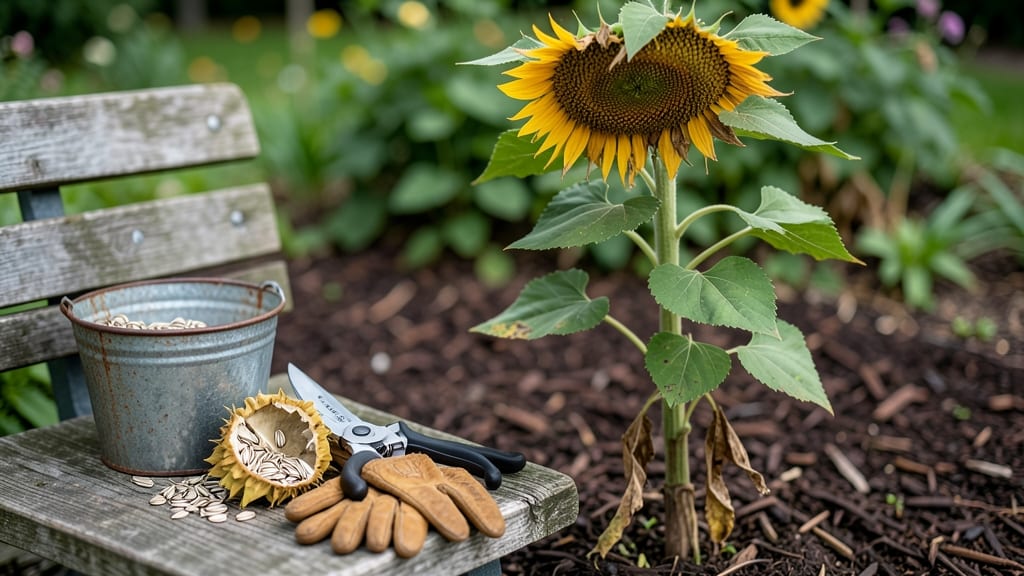
Cutting down your sunflowers 🌻 at the wrong time can mean losing seeds you’ve waited months for—or leaving your garden looking messy by winter. The key is knowing exactly when those towering blooms are ready to come down, whether you’re saving seeds, cleaning up, or prepping for next year.
Most gardeners wait until the back of the flower head turns completely brown and the petals droop or fall off. This usually happens between July and September, depending on your variety and climate.
But if you’re in a cooler zone like 6a, frost can rush this process—so keep an eye on those first signs of drying.
You’ll also want to check if the seed head feels dry and papery when you gently squeeze it. If it snaps easily when you bend the stem, that’s your cue.
Cutting too early means immature seeds, while waiting too long can attract pests or leave your garden looking untidy before winter.
I’ll walk you through the exact stages—from seed readiness to winter prep—so you never miss the perfect moment. Let’s make sure your sunflowers pay off in seeds, beauty, and a tidy garden all season long.
Ideal sunflower harvesting stages for seed collection
Harvesting sunflower seeds at the right time ensures high germination rates and prevents waste. The key is watching for visual maturity cues—not just guessing by days after planting. Each stage offers different benefits, whether you're saving seeds for next year or preparing for winter bird feed.
For seed collection, timing is everything. Cut too early, and seeds won’t mature properly; wait too long, and they may shatter or attract pests. The perfect window appears when the flower head turns fully brown and the back of the head feels dry and papery.
This usually happens 80-120 days after planting, depending on your variety.
Here’s the summary-table breaking down the exact stages to cut sunflowers for seeds, including visual cues and ideal actions:
| Stage | Visual Cues | Action | Notes |
|---|---|---|---|
| Early Bloom | Petals fully open, bright yellow | Do nothing | Seeds not yet formed |
| Seed Development | Petals droop, back of head turns green-brown | Monitor daily | Seeds hardening inside |
| Optimal Harvest | Back of head fully brown, petals dry and brittle | Cut stem 2-3 inches below head | Best for seed saving |
| Overripe | Seed head shatters easily, seeds fall out | Harvest remaining seeds | Lower germination rate |
The optimal harvest stage for seeds is when the back of the sunflower head turns a deep, uniform brown. At this point, the seeds inside are fully mature but haven’t yet begun to scatter.
To test readiness, gently squeeze the seed head—if it feels dry and papery and the seeds rattle inside, it’s time to cut.
Use a sharp pruning shears or clean knife to cut the stem about 2-3 inches below the flower head. This prevents moisture from the stem from spoiling the seeds during drying.
Hang the cut heads upside down in a dry, well-ventilated area for 1-2 weeks to fully dry before removing seeds.
If you’re harvesting for fresh seed consumption (like roasted sunflower seeds), you can cut slightly earlier when the back of the head turns light brown. However, these seeds won’t store as long as fully mature ones.
For bird feed, wait until the head is completely dry and brittle to ensure maximum nutrition for your feathered friends.
One pro tip is to leave a few sunflowers on the stem until late fall. This gives seeds extra time to mature in cooler climates where summers are short. Just be sure to protect them from early frosts, which can damage the heads before seeds are ready.
For regional adjustments, gardeners in Zone 5 or colder should prioritize seed maturity over frost dates. In warmer Zone 8+ areas, sunflowers may continue maturing into October, so monitor heads closely. Always prioritize dry, stable conditions during the drying process to avoid mold.
Once seeds are fully dried, store them in a cool, dark place in an airtight container. Properly stored sunflower seeds can remain viable for up to 5 years, making them a great addition to your seed-saving stash for next year’s garden.
When to cut down sunflowers for winter garden prep
As the first frost 🌡️ looms, cutting down sunflowers before winter isn’t just about tidying your garden—it’s about preventing disease, improving soil health, and setting up next year’s planting for success.
If you leave them standing too long, fungal spores can spread from decaying stems, while stems left in place can harbor pests like sunflower moths or rodents seeking shelter.
For most gardeners in USDA Zone 6a, the ideal window is late September to early October, before the first hard frost. This timing ensures you’ve harvested any remaining seeds while still giving the plant time to decompose naturally.
If you’re in a warmer climate, you might have until November, but watch for leaf yellowing or stem browning—these are clear signs it’s time to act.
⚠️ WARNING: Don’t Wait Until Frost Hits! Cutting sunflowers after frost can turn their stems into a breeding ground for fungal diseases like powdery mildew, which can overwinter in your soil. Plus, frozen stems are harder to compost or mulch properly. Here’s what to watch for:
- Dry, papery flower heads (even if seeds aren’t fully mature)
- Brown or blackened stems (a sign of decay starting)
- Leaves turning yellow or falling off (natural senescence)
Start by cutting the stems 2–3 inches above ground level to encourage faster decomposition. If you’re using the stems for winter mulch, leave them whole, but remove any diseased leaves or flower heads first.
For composting, chop the stems into 3–6 inch pieces to speed up the process—sunflower stems break down surprisingly fast when mixed with nitrogen-rich greens like grass clippings.
Once cut, decide how to dispose of the material. If your soil is healthy, mulching the stems directly into your garden beds is ideal—they’ll add organic matter as they decompose.
For compost piles, layer the stems with green waste (like vegetable scraps) and turn the pile every 2–3 weeks to avoid odors. Avoid piling stems in one spot, as this can create a pest magnet for overwintering insects.
After clearing the stems, take a moment to inspect your soil. Sunflowers are heavy feeders, and their deep roots help loosen compacted soil. Use this opportunity to add compost or aged manure to replenish nutrients before planting next year’s spring crops.
Their empty spaces also make perfect room for cover crops like clover or winter rye, which prevent erosion and build soil fertility.
Finally, mark your calendar for next spring—sunflowers thrive in the same spots year after year, and their deep roots improve soil structure over time. By cutting them down at the right moment, you’re not just cleaning up; you’re investing in a healthier garden for seasons to come. 🌱