
Companion Plants
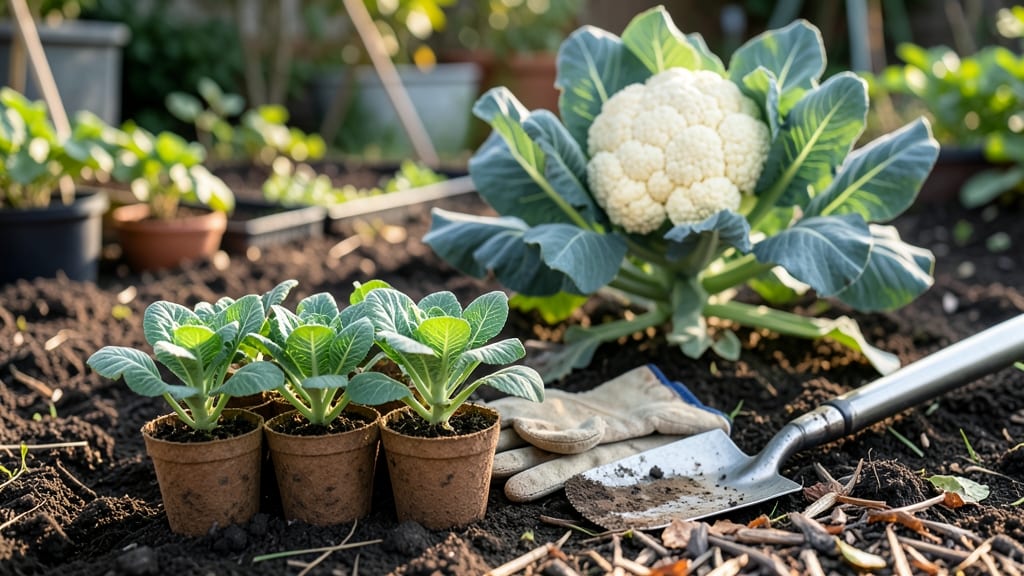
Timing your cauliflower 🥬 planting in Pennsylvania can mean the difference between a bumper crop and a sad, wilted disappointment.
The key is knowing exactly when to get those seeds in the ground—because planting too early or too late in PA’s 5b-7a zones will leave your plants struggling against frost or scorching heat.
Most gardeners in Pennsylvania swear by two perfect windows: mid-April to early May for spring planting and late July to early August for a fall harvest.
But here’s the catch—your exact dates depend on whether you’re starting seeds indoors or transplanting seedlings, and how quickly your soil warms up after that last frost.
I’ve grown cauliflower in PA for years, and let me tell you: getting the timing right isn’t just about the calendar.
It’s about soil temperature, frost dates, and even which variety you choose. Skip the guesswork—I’ll walk you through the exact steps to plant your cauliflower at the perfect moment for your zone.
Ready to avoid the common mistakes that kill cauliflower plants? You’ll learn how to stretch your growing season, protect your plants from pests, and harvest heads that are firm and flavorful—no matter if you’re in Pittsburgh or Philadelphia. Let’s get those seeds in the ground the right way.
Best cauliflower planting dates by Pennsylvania hardiness zone (5-7)
Timing is everything when growing cauliflower in Pennsylvania. With USDA zones 5-7, you’ve got two prime windows—spring and fall—but getting the dates wrong means bolting heads or frost-killed plants.
Let’s break down the exact planting windows for your zone, including soil temperature tricks and transplant tips to guarantee success.
Pennsylvania’s last frost dates vary by region, but most gardeners in zones 5-7 can expect April 15 as the average cutoff. For fall planting, aim for late July to early August to ensure heads mature before the first frost hits around mid-October.
Microclimates matter—mountainous areas (like zone 6b) may need adjustments, while urban heat islands (zone 7a) can push your window slightly later.
| Zone | Spring Planting Window | Fall Planting Window | Soil Temp for Transplant | Direct Sow Window |
|---|---|---|---|---|
| Zone 5b | Mid-April to early May | Late July to early August | 40°F (4°C) minimum | Early May to June 1 |
| Zone 6a | Late April to early May | Early August to mid-August | 45°F (7°C) minimum | Late April to June 15 |
| Zone 6b | Early May | Mid-August to early September | 45°F (7°C) minimum | Early May to June 10 |
| Zone 7a | Late April to mid-May | Late July to early September | 50°F (10°C) minimum | Late April to June 15 |
For spring planting, start seeds indoors 6-8 weeks before your last frost date—that’s typically mid-February to early March for most of PA. Transplant seedlings outdoors once soil temperatures hit 40°F (4°C), but wait until 50°F (10°C) for faster growth.
In cooler zones (like 5b), use black plastic mulch to warm the soil and speed up germination.
Fall planting is trickier but rewarding. Seedlings need 75-100 days to mature, so time it so heads form by late September. Use cold-hardy varieties like ‘Snowball Y Improved’ or ‘Purple of Sicily’ to tolerate light frosts.
If nights dip below 40°F (4°C), cover plants with row fabric to protect tender heads.
Direct sowing is an option but riskier—only attempt it after May 15 when soil is consistently 50°F (10°C). Thin seedlings to 18-24 inches apart to prevent competition.
In zone 7a, you can even squeeze in a late summer crop by sowing in early July, but monitor for bolting if temps exceed 80°F (27°C).
Pro tip: Test your soil’s pH (6.5-7.0) before planting—cauliflower craves calcium-rich soil. Amend with lime or crushed eggshells if needed. Overlooking this leads to blossom-end rot, a common PA garden fail. Pair your cauliflower with thyme or dill to deter pests like cabbage moths.
Harvest time arrives 75-100 days after transplanting, but don’t wait too long—heads should be 6-8 inches wide and firm to the touch. Cut with a sharp knife, leaving a few leaves to protect the stem.
In zone 5b, you might get one harvest; in zone 7a, plan for two! Store unharvested heads in the fridge for up to 5 days or blanch and freeze for long-term storage.
Remember: Pennsylvania’s unpredictable weather means flexibility. Keep a garden journal to track your local frost dates
How to extend your cauliflower season in PA without risking frost
Pennsylvania’s cool fall nights and early spring soil can actually work in your favor when growing cauliflower. Unlike heat-loving veggies, cauliflower thrives in 50-70°F soil and can handle light frosts. The trick is choosing the right cold-hardy varieties and using simple techniques to shield your plants from sudden temperature drops.
Most gardeners stop planting cauliflower after the first frost date, but with the right approach, you can harvest heads well into October or even November in PA’s southern zones. I’ve successfully grown cauliflower through two light frosts using these proven methods—don’t let frost dates limit your harvest potential!
Here’s exactly how to stretch your cauliflower season without risking frost damage or stunted growth:
- 1 Choose frost-tolerant varieties like 'Snowball Y Improved' or 'Purple of Sicily'—both handle 28°F temperatures better than standard types.
- 2 Use row covers (floating fabric) to protect plants during 32-35°F nights. Secure edges with bricks or soil to prevent wind damage.
- 3 Plant succession crops every 2-3 weeks from July to August. This ensures a staggered harvest before hard frosts arrive.
- 4 Amend soil with compost to improve drainage and warmth retention. Aim for 3-4 inches of organic matter mixed into the top 12 inches.
- 5 Harvest before heavy frost—even cold-hardy varieties will bolt if exposed to below 25°F for more than 24 hours.
One of my favorite tricks is using black plastic mulch in early spring to warm the soil faster. Simply lay down the mulch 2-3 weeks before planting, and it’ll raise soil temperatures by 5-10°F, giving your seedlings a head start.
Just remember to remove it once plants are established to prevent overheating.
For fall plantings, I recommend starting seeds indoors in late June and transplanting outdoors in early August. This gives your cauliflower enough time to mature before the first frost hits. Pair this with a lightweight row cover on chilly nights, and you’ll be harvesting heads well into October.
Don’t forget to blanch your cauliflower heads 1-2 weeks before harvest by tying the outer leaves together. This protects the head from sun exposure and keeps it snow-white—even in cooler temperatures. With these techniques, you can enjoy homegrown cauliflower for nearly 6 months in Pennsylvania! 🥬