
Flowers
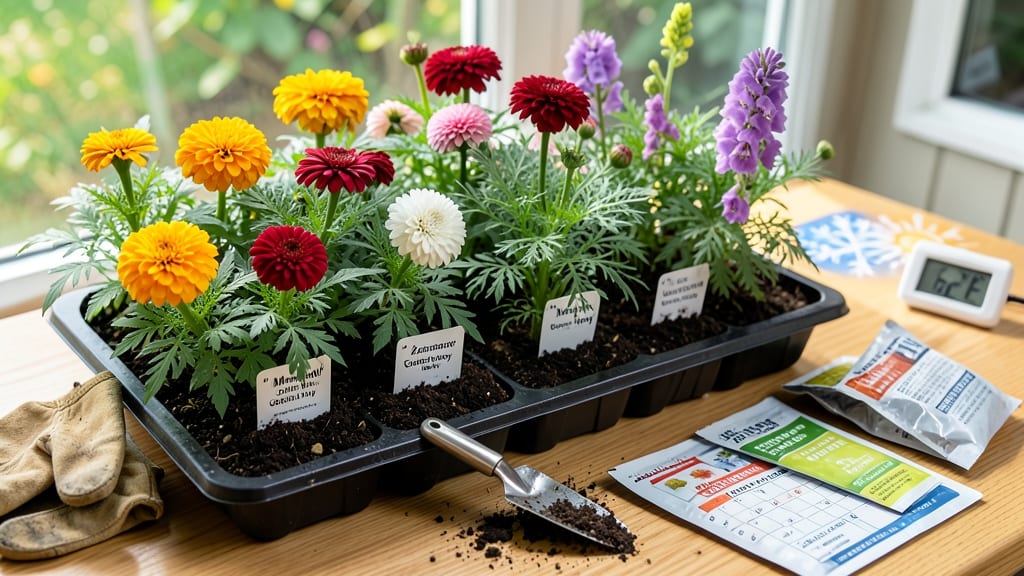
When to plant flower seeds in Indiana at the right time can mean the difference between vibrant blooms and a disappointing flop—especially when unpredictable spring frost sneaks in.
The key is planting when soil temperatures hit that sweet spot of 50°F, which typically lands in late March to early April for most of the state's 6a zone.
But here's the catch: rushing too early or waiting too long can leave your 🌸 dreams wilting before they even begin.
If you've ever wondered why some gardeners seem to have perfect timing while others struggle, it's not just luck—it's knowing your last frost date and adjusting for Indiana's microclimates.
For example, northern Indiana might need to wait until April 15th, while southern regions can start as early as March 20th. The secret? Start with fast-blooming annuals like zinnias or marigolds, which tolerate cooler soil, while perennials like coneflowers need that warmer earth to thrive.
I'll walk you through exactly when to plant each type of flower, whether you're sowing directly into the garden or starting indoors. You'll discover how to stretch your growing season with simple tricks, avoid common mistakes, and even which flowers to plant in late summer for fall color.
Let's turn your Indiana garden into a blooming paradise—without any guesswork.
Ready to transform your yard? Grab your gloves and let's dive into the science-backed planting schedule that will have your flowers popping up like clockwork. No more second-guessing—just beautiful results, season after season.
Indiana hardiness zones: when to plant flower seeds by Zone (5, 6, and 7)
Indiana’s USDA hardiness zones 5b, 6a, and 6b create distinct planting windows for flower seeds. In Zone 5b (northern Indiana), the average last spring frost arrives around April 20, while Zone 6a/6b (central/southern Indiana) typically sees frost-free conditions by April 10-15.
These dates are critical for timing seed starts and direct sowing to maximize bloom potential.
For annual flowers, like marigolds or petunias, you’ll want to start seeds indoors 6-8 weeks before your last frost date.
In Zone 5b, that means February 15-March 1, while Zone 6a/6b gardeners can begin March 1-15. Perennial seeds, such as black-eyed Susans or coneflowers, often tolerate cooler soils and can be sown directly 2-4 weeks before the last frost.
Direct sowing outdoors should wait until soil temperatures reach 50°F (10°C)—usually mid-April to early May in Indiana. Heat-loving annuals, like zinnias or cosmos, can even wait until May 15 in Zone 5b to avoid transplant shock from early warm spells.
Fall planting for cool-season flowers (e.g., pansies) begins August 1-September 15, depending on your zone.
| Zone & Location | Last Spring Frost | Indoor Seed Start (Annuals) | Direct Sow Outdoors | Fall Planting Window |
|---|---|---|---|---|
| 5b (Northern IN: Fort Wayne, Gary) | April 20 | Feb 15-March 1 | April 25-May 10 | August 15-Sept 1 |
| 6a (Central IN: Indianapolis, Bloomington) | April 10 | March 1-March 15 | April 15-May 1 | August 1-Sept 15 |
| 6b (Southern IN: Evansville, Louisville border) | April 5 | Feb 28-March 10 | April 10-April 25 | August 15-Sept 30 |
🌱 Note: Adjust for microclimates (e.g., urban areas may frost later).
In Zone 5b, where frosts linger longer, prioritize cold-hardy annuals like snapdragons or lobelia for early color. These can handle light frosts after germination. For Zone 6a/6b, extend your season by sowing heat-tolerant varieties like sunflowers or portulaca directly in late May—they’ll bloom until frost.
Pro tip: Use row covers to protect tender seedlings in Zone 5b until May 1. In warmer Zone 6b, succession plant fast-growing annuals like bachelor’s buttons every 2 weeks from May through July for continuous blooms.
Always check seed packet instructions—some varieties (e.g., calendulas) self-sow prolifically and can be left in place over winter.
For perennials, sow seeds directly in late spring (after May 15) or early fall (September 1-October 1). Hardy perennials like bee balm or shasta daisies establish better from fall-sown seeds because they develop deeper roots before winter.
Avoid planting tender perennials (e.g., black-eyed Susans) too early—they rot in cold, wet soil.
Monitor soil temperatures with a soil thermometer—ideal ranges vary by plant. Cool-season flowers (e.g., pansies) thrive at 45-65°F (7-18°C), while warm-season bloomers (e.g., geraniums) need 60-70°F (15-2
Best flower seeds to plant in Indiana: fast-blooming vs. long-season varieties
Indiana gardeners know timing is everything—especially when choosing between fast-blooming annuals and long-season perennials. Fast bloomers like zinnias and marigolds pop up in just 30-45 days, perfect for filling gaps in your garden or attracting pollinators early.
Meanwhile, perennials like black-eyed Susans or daylilies take 60-90 days to establish but reward you with years of color. The secret? Matching your planting method (direct sowing vs. indoor starts) to Indiana’s frost-free windows.
For cold-hardy annuals, I recommend starting seeds indoors in February for a head start, then transplanting after your last frost (typically mid-April). Perennials, however, often prefer direct sowing in spring once soil warms to 55°F—usually late April to early May.
This timing ensures they establish strong roots before summer heat sets in. Let’s dive into the best picks for each category, so you can plan your garden like a pro.
🌱 Zinnias – Sow directly after last frost (April 15), thrives in full sun, and blooms until frost. Perfect for cutting gardens!
If you’re aiming for long-season blooms, perennials like coneflowers and bee balm are game-changers. These tough plants return year after year, often blooming from June through September with minimal care. The trick?
Sow seeds directly in late spring (May) or divide established clumps in early fall (September) for next year’s growth. For shade-loving gardens, try columbines or hostas, which thrive in cooler, moist conditions and bloom in early to mid-summer.
For fall color, don’t overlook cosmos and asters. Cosmos self-seeds easily and blooms from July to frost, while asters attract butterflies and thrive in partial shade. Sow these directly in late summer (August)continuous flowering.
One common mistake? Assuming all flowers need full sun. Indiana’s humid summers can scorch delicate blooms like impatiens or begonias if planted in hot, exposed spots. These thrive in partial shade and are perfect for container gardens or woodland edges. Pair them with moss phlox for a spring-to-fall show.
Ready to pick your winners? Start with 3-5 fast bloomers for instant color, then layer in perennials for long-term beauty. Your Indiana garden will be the talk of the neighborhood—no guesswork, just science-backed blooms! 🌸