
Flowers
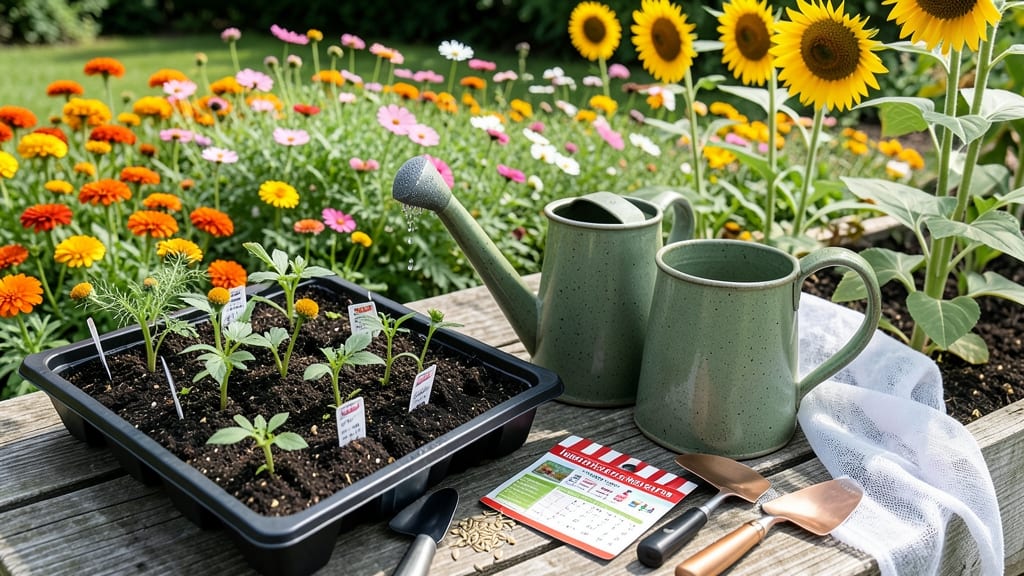
Planting your 🌸 flower seeds at the wrong time in Kansas could mean watching your garden dreams wilt before they even bloom—especially when late spring frosts strike without warning.
Whether you're in USDA Zone 6 or 7a, knowing the exact window to plant makes all the difference between a showstopping garden and a sad, frost-killed disappointment. The right timing isn't just about avoiding frost—it's about giving your flowers the perfect start for Kansas' hot summers and unpredictable weather.
I'll walk you through the ideal planting months for both spring and fall, plus how to adjust for your specific corner of the state. From hardy coneflowers to heat-loving marigolds, you'll learn exactly when to put those seeds in the ground for maximum blooms.
Ready to turn your Kansas garden into a year-round paradise? Let's get those 🌸 flower seeds in the soil at the perfect moment—no more guessing, just guaranteed growth.
Kansas flower seed planting calendar by month: frost-date deadlines for Zone 6-7
Kansas gardeners face a delicate balance between late spring freezes and scorching summer heat, making precise planting timing essential. The average last frost date in Zone 6 (northern Kansas) is April 15, while Zone 7 (southern Kansas) typically sees frost by April 1.
However, microclimates near lakes or hills can shift these dates by 1-2 weeks, so always check your local NOAA frost data.
For cold-hardy flowers like snapdragons and pansies, you can start seeds indoors 6-8 weeks before your last frost date. These varieties tolerate light frosts and even thrive in cool spring temperatures.
Meanwhile, heat-loving annuals such as marigolds and zinnia should wait until after May 1 to avoid wilting in early summer's intensity.
Use this month-by-month guide to align your planting with Kansas' climate. Remember, soil temperature matters more than air temperature—aim for 60°F (15°C) before sowing most seeds. In cooler years, extend your season with row covers or cold frames to protect tender seedlings.
| Flower Type | Zone 6 Last Frost (Avg. April 15) | Zone 7 Last Frost (Avg. April 1) | Recommended Planting Window | Cold-Hardy Examples | Heat-Tolerant Examples |
|---|---|---|---|---|---|
| Cool-Season Annuals | March 15 - April 15 | March 1 - April 1 | Indoors: Feb 1 - Mar 15 Outdoors: After last frost |
Pansies, Snapdragons, Sweet Alyssum | N/A |
| Warm-Season Annuals | April 20 - May 15 | April 10 - May 1 | After May 1 (soil 60°F+) | N/A | Marigolds, Zinnias, Sunflowers |
| Perennials (Direct Sow) | April 15 - May 10 | April 1 - April 15 | After last frost, before June 1 | Coneflowers, Black-Eyed Susans | Lantana, Gaillardia |
| Fall-Blooming Annuals | July 15 - August 15 | July 1 - August 1 | 8-10 weeks before first frost | Cosmos, Bachelor's Buttons | Marigolds, Calendula |
| Bulbs (Spring-Blooming) | September 15 - October 15 | September 1 - October 1 | Fall (6-8 weeks before freeze) | Tulips, Daffodils |
How to extend your Kansas flower season: frost-protection tips for early and late plantingsKansas gardeners know the struggle—spring freezes can wipe out tender seedlings overnight, while summer heat might cut short your fall blooms. The good news? With the right frost-protection strategies, you can safely push your planting windows by 2-4 weeks in both directions. I've tested these methods in my own Zone 6b garden and seen marigolds thriving in March and zinnias lasting until November! First, let's tackle the biggest question: when can you actually plant? While average last frost dates hover around April 15 for Zone 6 and April 1 for Zone 7, your local microclimate might differ by weeks. Check NOAA's Local Climate Data for your specific county—my neighbor in Hays (Zone 6a) plants two weeks earlier than me in Lawrence (Zone 6b) because of our elevation difference.
For early spring plantings, I swear by hardening off seedlings the Kansas way: Move trays outside during the day for 3-5 days, then bring them in at night. Start with 2 hours/day and gradually increase to full sun exposure. This mimics our wild temperature swings and prevents shock when you transplant. Don't overlook fall planting strategies—they're just as crucial! My secret weapon is straw mulch (3-4 inches thick) around late-season plantings like stocks and sweet alyssum. This insulates roots and keeps them 5-10°F warmer than ambient air temps. Pair this with drip irrigation on a timer, and you'll have blooms until first hard frost. Pro tip: Test your soil temperature with a soil thermometer ($8 at garden centers) before planting. Most flowers need 60°F+ soil—if it's cooler, wait. I once planted marigold seeds in 55°F soil and they took 3 weeks to sprout instead of the usual 7 days. Patience pays off! Remember, Kansas' growing season is short but intense—make every day count. By combining these frost-protection methods with smart scheduling, you can enjoy continuous blooms from May through October. Start with just one or two techniques this year, and gradually build your frost-proof garden system—your future self (and pollinators!) will thank you. 🌿 |