
Flowers
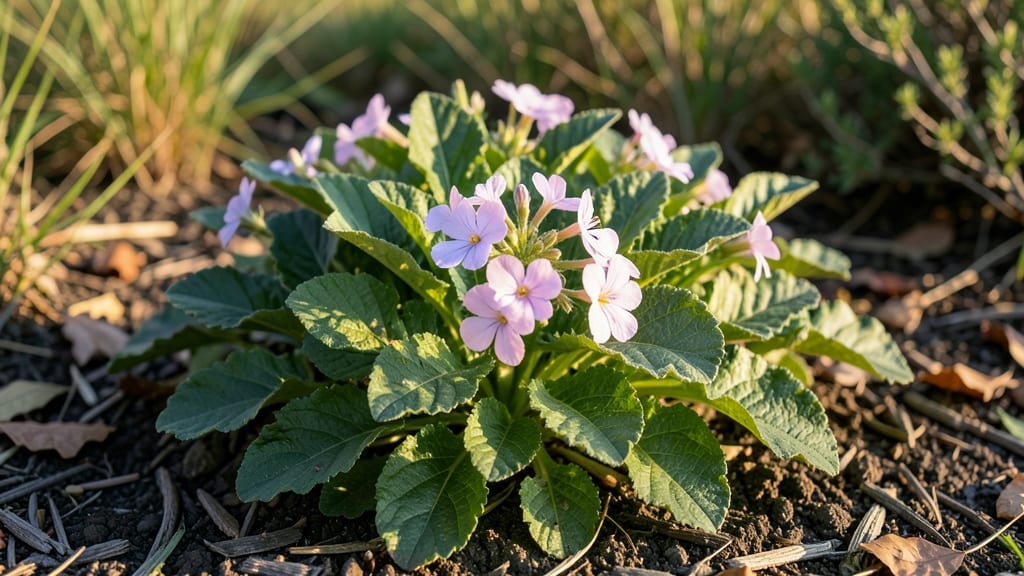
Planting flower seeds in Texas isn’t just about dropping them in the dirt—it’s about beating the heat and frost to give your 🌸 blooms the best shot at thriving. The wrong timing can mean wilting before they even bloom, while perfect timing unlocks vibrant gardens that last all season.
Texas’ 9 heat zones (from 7b to 11) mean your neighbors’ success stories won’t work for you. Whether you’re in North Texas with its late frosts or South Texas’ brutal summers, knowing the exact window—like planting cool-season flowers in September-November—makes all the difference.
I’ll break down the ideal planting months for your region, plus pro tips to outsmart Texas’ unpredictable weather. From shade schedules for seedlings to drought-resistant varieties, you’ll learn how to turn your garden into a year-round paradise—without the guesswork.
Ready to skip the trial-and-error? Let’s dive into the heat zone deadlines that’ll have your flowers blooming like never before.
Texas heat zones explained: when to plant flower seeds by region
Texas spans 9 USDA heat zones (8A–10B), meaning your last frost dates and heat tolerance thresholds vary wildly. In North Texas (8A), you might see frost until February 15, while South Texas (10B) rarely drops below freezing.
These differences dictate whether your marigold seeds will thrive or wilt before blooming.
Understanding your zone helps you time seed-starting indoors vs. direct sowing outdoors. For example, cool-season flowers like pansies need 6–8 weeks before frost, while heat-lovers like zinnias can handle 90°F+ once established. Let’s break it down by region to avoid costly mistakes.
Pro Tip: Use a zone-specific planting calendar to align seed-starting with soil temperatures. For instance, petunia seeds need 70°F soil to germinate, while cosmos seeds can handle 60°F. Miss this window, and you’ll end up with leggy, weak seedlings.
In Zone 8A, where frosts linger until mid-February, I start cool-season seeds indoors in September for October outdoor transplants. Meanwhile, in Zone 10B, I can direct-sow marigolds in July—they’ll bloom before winter sets in.
This regional flexibility is key to avoiding seedling shock or premature wilting.
For heat-sensitive varieties like petunias, I wait until soil temperatures hit 70°F—usually mid-April in Zone 8A but February in Zone 10A. Use a soil thermometer to track progress; seeds won’t germinate until conditions are right. Skipping this step often leads to poor germination rates and wasted seed packets.
Succession planting is another Texas-specific hack
Best flower seed varieties for Texas seasons: early vs. late planting
Texas gardeners face a unique challenge: balancing scorching summers and mild winters to keep flowers blooming year-round. The key? Planting cool-season flowers in fall and heat-loving varieties in spring.
This strategy ensures your garden stays vibrant without fighting the elements. Let’s dive into the best flower seed varieties for each season and how to time them perfectly.
For fall planting, focus on cool-season champions like pansies, snapdragons, and sweet alyssum. These flowers thrive in 50-60°F soil temperatures and can handle light frosts. In contrast, spring planting should prioritize heat-tolerant powerhouses such as lantana, salvia, and black-eyed Susans, which flourish in 70-90°F conditions.
Understanding these seasonal deadlines is critical for a year-round blooming garden.
- September-October: Plant cool-season flowers (pansies, snapdragons, sweet alyssum) for fall/winter blooms. Ideal for North and Central Texas.
- February-March: Start heat-tolerant seeds (lantana, salvia, cosmos) indoors. Transplant after last frost (mid-March in most regions).
- April-May: Direct-sow summer bloomers (zinnias, marigolds, black-eyed Susans) once soil reaches 65°F+.
- August-September: Succession plant cosmos and sunflowers every 4 weeks for extended summer color.
If you’re in North Texas (Zone 7b-8a), aim to plant cool-season flowers by September 15 to avoid early winter freezes. In Central Texas (Zone 8a-9a), you can push planting to October 1, while South Texas (Zone 9a-11) gardeners have until November 15 for fall blooms.
For spring, wait until after February 15 to plant heat-lovers like lantana, which thrives in full sun and drought conditions.
Don’t overlook succession planting, a game-changer for Texas gardens. By sowing cosmos every 4 weeks from April to August, you’ll enjoy continuous blooms without gaps. This method works especially well for fast-growing annuals like zinnias and marigolds, which can be replanted every 6-8 weeks for nonstop color.
Pair this with mulching to retain moisture during Texas’ brutal summers.
For heat-tolerant varieties, prioritize native Texas flowers like salvia and black-eyed Susans. These plants require minimal water once established and attract pollinators like butterflies and hummingbirds. In contrast, cool-season flowers like pansies and sweet alyssum need well-draining soil and consistent moisture to thrive through winter.
Test your soil’s pH (aim for 6.0-7.0) and amend with compost before planting.
Pro tip: Use shade cloth for young seedlings in spring to protect them from intense afternoon sun. For fall plantings, add a light layer of straw mulch to insulate roots from temperature swings.
With these strategies, your Texas garden can bloom beautifully in every season—without the stress of fighting the heat or cold.