
Flowers
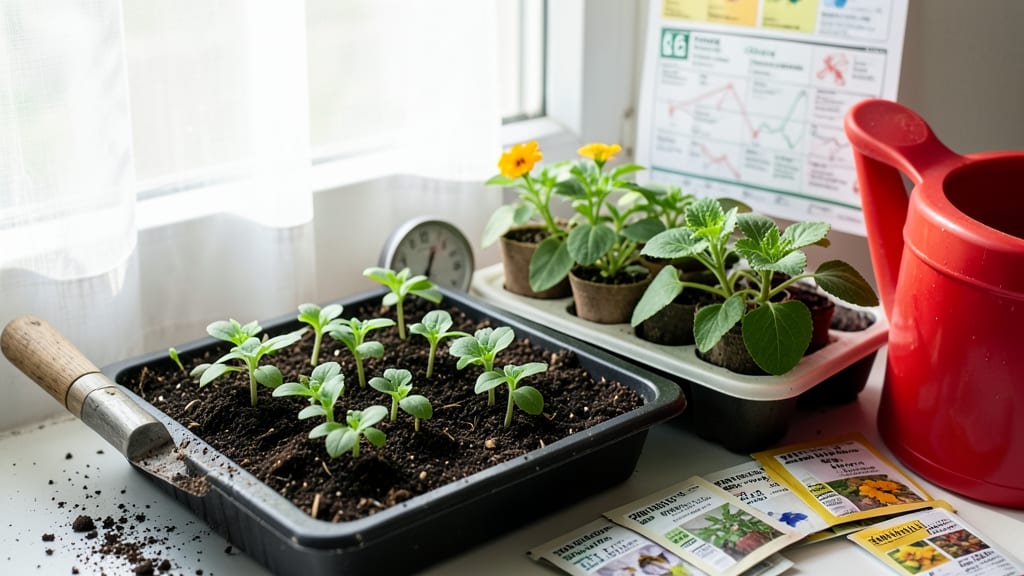
Planting flower seeds at the wrong time in Zone 6 could mean watching frost nip your blooms before they even peek through the soil—so timing is everything for those vibrant gardens you dream of.
I’ve learned the hard way that March through May are your golden windows, but not every flower thrives in the same schedule. Cool-season beauties like pansies can handle early starts, while heat-lovers like zinnias need warmer soil to avoid leggy, weak stems.
The key? Knowing your last frost date—and how to push those boundaries with simple tricks.
Let’s break down the exact months to plant, which flowers play by which rules, and how to extend your season with row covers or cold frames. Whether you’re a first-time gardener or a seasoned pro, these insights will help you turn seed packets into showstopping blooms.
From verifying your local frost risk to mastering succession planting, I’ll walk you through every step so you can start confidently—no more guessing games or wasted seeds. Ready to transform your garden this year?
Zone 6 last-frost dates by month: the exact window for planting flower seeds
Getting your flower seeds in the ground at the right time in Zone 6 means the difference between a garden bursting with color and a sad, frost-killed disappointment. The last-frost dates in spring determine your planting window, but they vary by region and even your specific microclimate.
Let's break down the exact timing you need to know.
Zone 6 spans from northern Illinois to southern New England, with average last-frost dates typically falling between March 15 and May 15. However, your local frost date could be weeks earlier or later depending on elevation, proximity to water, and urban heat islands.
Always check your USDA Plant Hardiness Zone Map and local weather records for precision.
Here's where things get tricky: even within Zone 6, western areas (like Denver) often warm up faster than eastern areas (like Boston). A general rule is to wait until the soil reaches 50°F (10°C) at least 1 inch deep before planting most flower seeds.
Use a soil thermometer to check—it's your best friend for timing.
For cool-season flowers like pansies and snapdragons, you can plant seeds as early as late February under row covers or in a greenhouse. But for warm-season favorites like marigolds and zinnias, wait until after your last frost date—typically mid-April to early May—to avoid frost damage to tender seedlings.
To verify your local frost risk, use the USDA's Plant Hardiness Zone Map and cross-reference with your local cooperative extension service. For example, a garden in Chicago's downtown might experience frost 2 weeks later than a suburban area due to the urban heat island effect.
Always check the 10-day forecast before planting, and consider using frost cloth for extra protection.
If you're planting annual flowers like cosmos or sunflowers, you can push the envelope and sow seeds directly after your last frost date—these fast-growing varieties will tolerate light frosts.
However, for delicate perennials like coneflowers or black-eyed Susans, wait until the soil is consistently above 55°F (13°C) to avoid stunted growth.
Pro tip: Use a frost-sensitive plant like basil as a frost indicator. Plant a few seeds a week apart—when the basil sprouts reliably, it's safe to plant your flower seeds. This DIY method works surprisingly well and saves you from guessing.
For succession planting, make note of your last frost date and plan to sow fast-growing flowers every 2 weeks until mid-July. This ensures continuous blooms from spring through fall. For example, plant zinnias in early May, then again in early June for a second flush of flowers.
Remember, microclimates can shift your frost dates by 1–3 weeks. A south-facing slope warms up faster than a north-facing garden, while a low-lying area may stay colder longer. Observe your garden's behavior over a few years to refine your planting timeline—this is how expert gardeners fine-tune their schedules.
Finally, if you're unsure, start your flower seeds indoors 6–8 weeks before your last frost date. This gives you a head start and allows you to transplant hardened-off seedlings once the danger of frost has passed.
Use grow lights or a sunny windowsill to keep them thriving until it's safe to move them outside.
Best flower seeds to plant early vs. late in Zone 6 for maximum blooms
In Zone 6, your flower garden’s success hinges on understanding whether your seeds crave cool early springs or warm late summers.
I’ve found that cool-season flowers like pansies and snapdragons thrive when planted in March or early April, while warm-season favorites such as marigolds and zinnias need to wait until May or June when soil temperatures consistently stay above 55°F.
This timing difference isn’t just about avoiding frost—it’s about matching each plant’s natural rhythm with your local climate.
For example, I once planted cosmos seeds too early in Zone 6, and they bolted before blooming. The lesson? Warm-season flowers need soil warmth to germinate properly, while cool-season flowers can handle (and even prefer) cooler temperatures.
Let’s break down the best planting windows for each category, plus how to stagger plantings for nonstop color all season.
One of my favorite tricks for continuous blooms is succession planting. For example, I sow cosmos seeds every 3 weeks from May through July. This ensures that as one batch finishes blooming, another is just getting started.
The same strategy works for sunflowers—plant a few seeds every 2 weeks to enjoy blooms from midsummer until frost.
Don’t overlook late-summer flowers like black-eyed Susans or asters, which thrive when planted in June or early July. These plants need time to establish roots before cooler temperatures arrive.
I’ve had the best luck with direct sowing these varieties rather than starting them indoors, as they’re tough enough to handle Zone 6’s heat and humidity.
Pro tip: Use row covers or cold frames to extend your planting window for cool-season flowers. I’ve successfully grown pansies into fall by covering them with lightweight fabric after the first frost. This simple trick adds 2–3 extra months of color to my garden—without needing to replant.
Remember, soil temperature matters just as much as air temperature. Use a soil thermometer to confirm