
Flowers
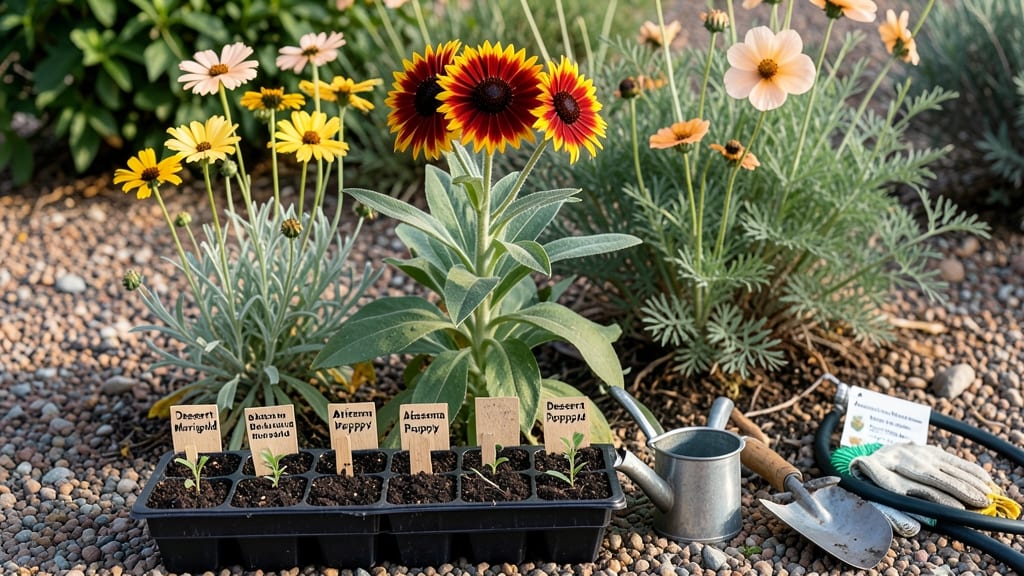
Planting flowers in Arizona isn’t just about picking the right 🌸—it’s about timing them perfectly to beat the brutal summer heat and make the most of your frost-free growing season.
Most gardeners in USDA Zone 9b know the struggle: slap those annuals in the ground in May, and they wilt faster than a snowball in the desert. But here’s the secret—fall and winter are your golden windows for planting everything from hardy pansies to drought-resistant natives.
I’ve learned the hard way that skipping this schedule means fighting heat stress and wasted water. The right timing ensures your flowers thrive with minimal effort, whether you’re sowing seeds in September or transplanting perennials in January.
Ready to transform your Arizona garden into a year-round bloom bonanza? Let’s dive into the exact months, prep tips, and care hacks that’ll keep your flowers happy—no matter how hot it gets.
Arizona flower planting calendar by month: avoid frost and heat stress
Arizona’s microclimates create a unique challenge for gardeners—Phoenix’s low desert rarely sees frost, while Flagstaff’s high desert can drop below freezing. Timing your flower planting correctly means avoiding heat stress in summer and maximizing cool-season growth when temps dip.
Most annuals and perennials thrive when planted in fall or early spring, but desert natives like blanket flower and desert marigold can handle summer heat if established early.
Your planting window depends on elevation: Phoenix and Tucson (Zones 9b-10a) have year-round growing potential, while Flagstaff and Sedona (Zones 6b-7a) face light frost risks in winter.
Start by noting your last frost date (typically mid-December to early January in high desert) and first frost date (usually November), then adjust schedules accordingly.
Cool-season flowers like pansies and snapdragons love fall planting, while heat-tolerant annuals such as portulaca and zinnia should go in late winter to avoid summer’s intensity.
⚠️ CRITICAL INSIGHT: Arizona’s summer monsoon (July-September) brings brief relief from heat, making it a short window for seed sowing or transplanting heat-sensitive flowers. Plan ahead—start seeds indoors in March for summer blooms or opt for drought-resistant natives that thrive without extra care.
| Month | Best Flowers to Plant | Avoid Planting | Key Care Tip | Notes for Phoenix/Tucson vs. Flagstaff |
|---|---|---|---|---|
| September | Pansies, Snapdragons, Sweet Alyssum, Calendula | Marigolds, Zinnias, Sunflowers | Water deeply 2x/week; mulch heavily | Phoenix: Plant now for winter blooms. Flagstaff: Wait until October. |
| October | Daffodils, Tulips, Primroses, Sweet Peas | Petunias, Geraniums, Coleus | Fertilize lightly with 5-10-10; protect from late frost in high desert | Tucson: Ideal for bulbs. Flagstaff: Use frost cloth. |
| November | Sweet William, Stock, Violas, Desert Marigold | Tomatoes, Peppers, Basil | Reduce watering; add compost to soil | Phoenix: Safe for all flowers. Flagstaff: Risk of frost—cover plants. |
| December | Cyclamen, Hellebores, Winter Jasmine, Native Wildflowers | Heat-loving annuals (e.g., Lantana) | Minimal water; use shade cloth if high winds | Low desert: No frost risk. High desert: Frost possible—plant near walls. |
| January | Sweet Peas, Stock, Snapdragons, Desert Bluebells | Tender perennials (e.g., Lavender) | Start seeds indoors for summer flowers | Phoenix: Ideal for cool-season blooms. Flagstaff: Wait for stable temps. |
| February | Tulips, Daffodils, Ranunculus, Coreopsis | Heat-sensitive veggies (e.g., Lettuce)
Best flowers to Plant in Arizona by season: desert-proof picks for year-round colorArizona’s frost-free winters and intense summers demand flowers that can handle extremes. The key is planting seasonal champions that thrive in their ideal temperature windows. Cool-season flowers like pansies and snapdragons love fall and winter, while portulaca and lantana dominate summer’s heat. Let’s break down the best picks for each planting window to keep your garden blooming nonstop. For fall planting (September–November), focus on cool-season annuals that establish roots before winter. These flowers handle Arizona’s mild winters beautifully and often rebloom in spring. Winter planting (December–February) is perfect for spring-blooming bulbs like tulips and daffodils, which need cool soil to root before warming temperatures. Summer’s brutal heat? Drought-resistant natives like desert marigold and blanket flower are your best bet—they flourish with minimal water once established. 🌱 Seasonal Flower Planting Guide for Arizona
Each season brings its own care challenges. For example, cool-season flowers need consistent moisture but can’t handle soggy soil—amend your beds with compost to improve drainage. Summer bloomers, on the other hand, thrive with minimal water once established; focus on mulching to lock in moisture. My top tip? Deadhead spent blooms regularly to encourage continuous flowering, especially for lantana and zinnias, which reward this effort with nonstop color. Don’t overlook native wildflowers like blanket flower (Gaillardia) or desert marigold (Baileya), which are drought-proof and attract pollinators. These low-maintenance perennials return year after year, making them a smart investment for Arizona gardens. Pair them with annuals like portulaca, which self-seeds and spreads effortlessly in rock gardens or xeric landscapes. Pro move: Succession plant every 6–8 weeks to avoid gaps in blooms. For instance, sow snapdragons in September, then follow up with zinnias in February. This strategy ensures your garden stays vibrant from fall through summer, even in Arizona’s harsh climate. With the right timing and desert-smart choices, you’ll enjoy year-round color with less stress and water waste. Ready to pick your favorites? Grab a shade cloth for summer-sensitive plants and get planting—your bloom-filled oasis starts now. 🌷 |