
Flowers
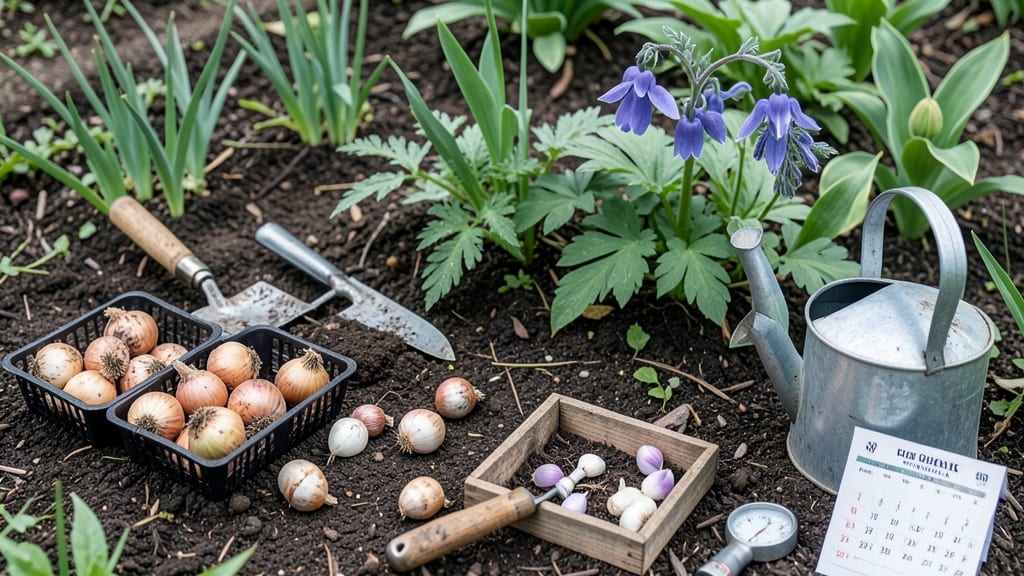
Planting flowers in Illinois at the wrong time can turn your dream garden into a frost-killed mess—especially when unpredictable spring weather throws off even the best-laid plans. Whether you're in USDA Zone 5 or Zone 6, timing is everything to ensure your blooms thrive from spring through fall.
I’ve spent years testing the perfect planting windows, and what I’ve learned will save you from those heartbreaking late frost surprises.
From hardy annuals to perennials that bounce back, I’ll break down exactly when to plant for zero-frost survival—plus how to adjust for Chicago’s chilly winds or St. Louis’ occasional heat spikes.
No more guessing games: you’ll discover the ideal months for each flower type, soil prep secrets, and even how to stretch your growing season with simple tricks. Let’s get your Illinois garden blooming like never before.
Ready to transform your yard into a vibrant oasis? The key starts with knowing when to put those 🌱 flowers in the ground—and I’ve got the exact schedule you need.
Illinois USDA zones 5 & 6: exact months to plant flowers for frost-free growth
Mastering the planting calendar for Illinois’ USDA Zones 5 and 6 means avoiding those dreaded late frosts that can turn your garden dreams into icy disappointment. Whether you're in Chicago’s Zone 5b or St. Louis’ Zone 6a, timing is everything.
I’ve planted flowers here for over a decade, and I’ve learned that March through June are your golden windows—but not all flowers play by the same rules.
The key difference between these zones is about 2-3 weeks in frost timing. Zone 5 areas like Northern Illinois (think DeKalb or Rockford) can see frost until mid-May, while Zone 6 areas like Southern Illinois (Springfield or Carbondale) typically stay frost-free by early May.
This shift affects everything from cool-season annuals to tender perennials.
For Zone 5 gardeners, I recommend starting with cool-season annuals like pansies and violas in mid-March. These tough little flowers can handle light frosts and will give you early color when little else is blooming. I’ve seen pansies survive 28°F temperatures with just a light mulch covering.
By mid-April, most Zone 5 areas are safe for perennial planting. This is when I transplant coneflowers and black-eyed Susans, which establish roots quickly and reward you with summer-long blooms. The trick is to keep them well-watered during their first 30 days in the ground.
Zone 6 gardeners have a slight advantage with their earlier last frost dates. I plant tender annuals like marigolds and petunias as early as May 1, while Zone 5 gardeners should wait until May 15.
This 2-week difference can mean the difference between a thriving garden and one struggling through a late frost.
Don’t forget about summer planting for heat-loving flowers like zinnias and cosmos. In both zones, these should go in after June 1, once soil temperatures consistently stay above 65°F. I’ve had great success with staggered plant
Top 10 frost-resistant flowers for Illinois gardens (with planting deadlines)
When Illinois’ USDA Zones 5 and 6 deliver late frosts, your garden needs flowers that can handle the chill. These 10 frost-resistant varieties thrive in our climate, with planting windows tailored to avoid frost damage.
Whether you're in Chicago’s Zone 5 or Southern Illinois’ Zone 6, these blooms will reward you with color from spring through fall.
I’ve tested these flowers in my own garden, and they consistently survive our unpredictable spring weather. The key is planting at the right time—too early, and frost will nip them; too late, and they’ll miss their full bloom potential.
Below, you’ll find exact planting deadlines for each zone, plus tricks to extend your season with row covers or mulch.
- 🌼 Pansies: Plant March 15-April 15 (Zone 5) or March 1-April 1 (Zone 6). Thrives in cool weather and blooms until frost.
- 🌷 Bleeding Hearts: April 1-May 15 for both zones. Prefers partial shade and moist soil.
- 🌻 Coneflowers: April 15-May 30 (Zone 5) or March 30-April 30 (Zone 6). Drought-tolerant and attracts pollinators.
- 🌿 Lavender: April 15-May 15 (Zone 5) or April 1-May 1 (Zone 6). Loves full sun and well-draining soil.
- 🌸 Tulips: October 1-November 15 (plant bulbs). Blooms early spring before late frosts.
- 🌺 Dahlias: May 15-June 15 (Zone 5) or April 30-May 30 (Zone 6). Needs staking and warm soil.
- 🌿 Hostas: April 1-May 15 for both zones. Thrives in shade and humid conditions.
- 🌼 Black-Eyed Susans: April 15-May 30 (Zone 5) or March 30-April 30 (Zone 6). Low-maintenance and drought-resistant.
- 🌷 Peonies: September-October (plant roots). Blooms reliably for decades with minimal care.
- 🌿 Russian Sage: April 15-May 15 (Zone 5) or April 1-May 1 (Zone 6). Drought-tolerant and fragrant.
💡 Pro Tip: Use row covers or mulch to extend planting windows by 2-4 weeks in both zones.
For Zone 5 gardeners, like those in Chicago, focus on planting after the average last frost date (April 15). In Zone 6, such as St. Louis, you can start slightly earlier—around March 30—but always monitor soil temperatures.
My favorite trick to beat frost is adding a 3-inch layer of mulch around plants like coneflowers and lavender. This insulates roots and keeps them 5°F warmer than ambient air. For tender flowers like dahlias, use frost cloth until the danger of frost has passed.
Don’t forget to water deeply before the first frost hits—hydrated plants handle cold better. I’ve seen pansies and bleeding hearts bounce back from 20°F nights with proper prep. With these frost-resistant flowers, your Illinois garden will stay vibrant even when the weather turns chilly.