
Flowers
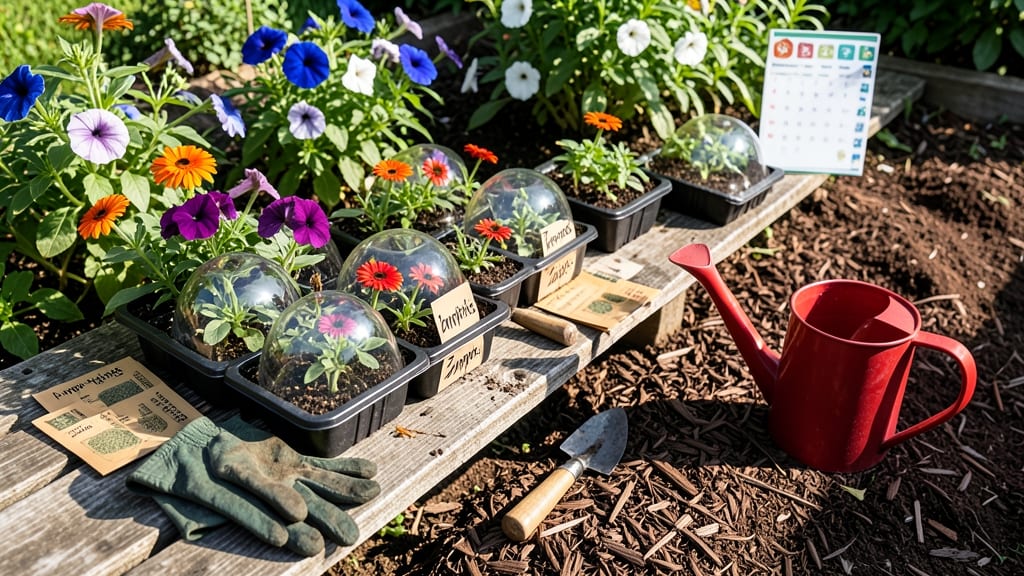
Planting your 🌸 flowers at the wrong time in Maryland’s 7a-7b zones can mean the difference between a showstopping garden and a sad, frost-nipped disappointment. The key to vibrant blooms from spring to fall? Timing it right—whether you're sowing seeds in March or tucking in fall bulbs by October.
Maryland’s unpredictable spring weather throws a wrench into even the best-laid garden plans. But don’t worry—by following the USDA Zone 7b timeline, you can outsmart frost and heat waves, ensuring your flowers thrive year after year.
Whether you’re a seasoned gardener or just starting, getting the timing right is the game-changer for a lush, low-maintenance garden.
In this guide, I’ll break down the exact planting windows for annuals, perennials, and bulbs, so you never miss a beat. From early spring prep to fall planting hacks, you’ll learn how to extend your bloom season—even in Maryland’s trickiest microclimates. Let’s get those 🌸 flowers growing!
Ready to transform your yard into a year-round paradise? The secret starts with the calendar—and I’ve got the foolproof schedule to keep your garden ahead of the frost. Let’s dive in.
Maryland flower planting timeline by season: frost-free deadlines
Maryland’s Zone 7b climate means your flower garden can bloom beautifully—if you plant at the right time. The average last frost date is around April 15, but late frosts can linger until May 1 in some areas.
Missing these windows can leave your annuals and tender perennials struggling or dead. I’ve planted flowers for over 10 years in Maryland, and I’ve learned the hard way that timing is everything for vibrant blooms.
Spring is the prime planting season for most flowers, but fall planting offers a second chance for bulbs and hardy perennials. Heat-tolerant annuals like zinnias and marigolds can handle Maryland’s summer heat, while cool-season flowers like pansies thrive in fall.
Understanding these seasonal exceptions will help you extend your garden’s beauty year-round.
🌱 Key Tip: Always check your local microclimate—areas near the Chesapeake Bay or Western Maryland’s mountains may have earlier last frosts than Baltimore or Annapolis. Use a frost calendar from your local extension office for precision.
| Season | Plant Type | Ideal Planting Window | Notes |
|---|---|---|---|
| Spring | Annuals | 2-3 weeks before last frost (early March) | Start seeds indoors for early blooms. Use row covers if frost risk remains. |
| Spring | Perennials | After last frost (mid-April) | Establish roots before summer heat. Mulch to retain moisture. |
| Spring | Bulbs | Early spring (March) | Plant tulips and daffodils as soon as soil is workable. |
| Summer | Heat-Tolerant Annuals | Mid-May to June | Zinnias, marigolds, and sunflowers thrive in Maryland’s heat. |
| Fall | Bulbs | September to October | Plant fall-blooming bulbs like crocus and spring-blooming bulbs (tulips) for next year. |
| Fall | Cool-Season Annuals | Late August to September | Pansies, snapdragons, and calendulas love Maryland’s fall weather. |
| Fall | Perennials | September (6 weeks before first frost) | Allows roots to establish before winter dormancy. |
For annual flowers, I recommend planting 2-3 weeks before the last frost to give them a head start. This means starting seeds indoors in late February for varieties like petunias and geraniums.
If you’re planting directly outdoors, wait until early April to avoid frost damage. Heat-loving annuals like zinnias can even handle direct sowing in May once the soil warms up.
Maryland’s perennials are more forgiving but still benefit from precise timing. Plant them after the last frost (typically mid-April) to ensure they establish roots before summer’s heat. Daylilies and coneflowers are my go-to perennials—they’re hardy and bloom reliably if planted at the right time.
Divide and transplant perennials in early spring or fall for the best results.
Don’t overlook fall planting for bulbs! Planting tulips and daffodils in September ensures they bloom beautifully the following spring. Fall-b
Top 5 flowers that thrive in Maryland’s climate (and when to plant them)
Maryland’s USDA Zone 7b climate offers the perfect balance for a year-round flower garden, but selecting the right varieties—and planting them at the perfect time—is key.
I’ve handpicked five low-maintenance, high-impact flowers that not only survive Maryland’s humidity and temperature swings but also reward you with bold colors and long bloom seasons. Whether you’re a beginner or a seasoned gardener, these picks will keep your garden thriving from spring through fall.
The secret to success? Planting at the right time to avoid late frosts and maximize sunlight exposure. For Maryland, this means starting early for cool-season flowers and timing fall plantings to beat the first frost.
Let’s dive into my top five foolproof flowers and the exact months to get them in the ground for a showstopping display.
- Black-Eyed Susan (Rudbeckia hirta) – Plant in early spring (March-April) or fall (September) for year-round color. Thrives in full sun and drought-tolerant once established.
- Coneflower (Echinacea purpurea) – Ideal for spring planting (April-May) or fall (September). Loves well-draining soil and 6+ hours of sun for bold purple blooms.
- Petunias (Petunia spp.) – Start seeds indoors in March or plant outdoor seedlings after last frost (May). Perfect for containers and borders with full sun.
- Daylilies (Hemerocallis) – Plant spring (April) or fall (September-October). Perennial powerhouses that tolerate shade and poor soil while blooming all summer.
- Marigolds (Tagetes spp.) – Sow directly after last frost (May-June) or start indoors in April. Pest-repellent and heat-loving for late-season color.
Each of these Maryland-approved flowers brings something unique to your garden. Black-eyed Susans and coneflowers are perennial workhorses that return year after year, while petunias and marigolds deliver instant color and pest control. Daylilies are the ultimate low-maintenance star, thriving in spots where other flowers might struggle.
For best results, prep your soil with compost before planting—Maryland’s clay-heavy soil can be improved with organic matter.
Most of these flowers prefer well-draining soil, so amend with sand or peat moss if your garden holds water. Water deeply after planting and mulch to retain moisture, especially during Maryland’s hot, humid summers.
Pro tip: Deadhead spent blooms regularly to encourage continuous flowering. This is especially important for annuals like petunias and perennials like coneflowers, which will reward you with longer bloom seasons.
With these five standout flowers and the right planting timeline, your Maryland garden will be the neighborhood envy from spring to frost.
Ready to transform your yard? Grab your gloves, mark your calendar, and let’s get those 🌸 flowers growing—Maryland-style! Start with just one or two of these varieties, and expand next year based on what thrives best in your microclimate.