
Flowers
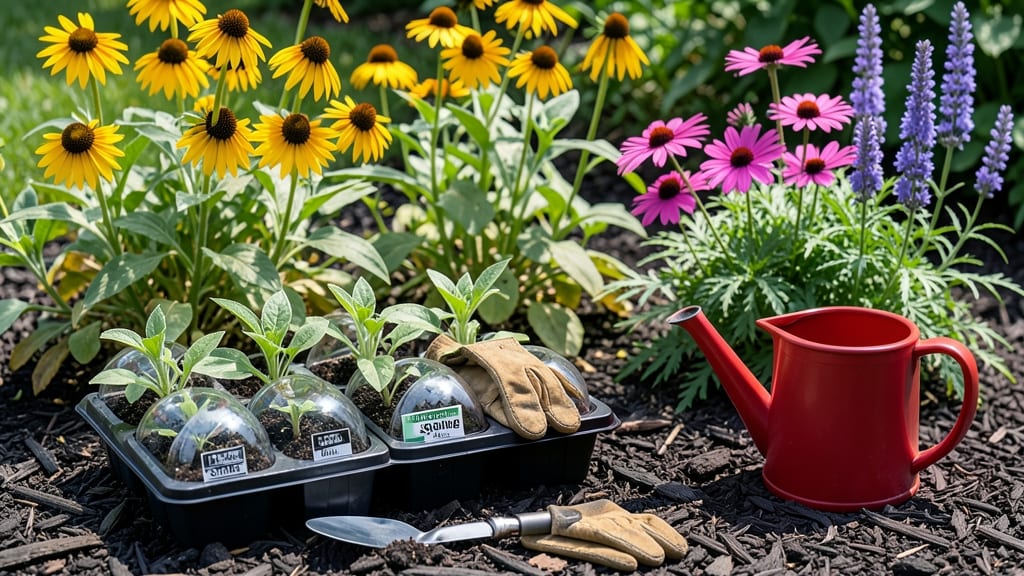
Planting flowers in New Jersey at the wrong time can mean the difference between a garden bursting with color and a sad, frost-nipped disappointment.
With USDA Zones 6a-7b bringing unpredictable frosts and heat waves, timing is everything. Whether you're planting cool-season 🌸 pansies in March or heat-loving petunias in June, knowing the exact window can save you from wasted effort—and money.
Let’s break down the perfect planting schedule for your NJ garden, so you can enjoy blooms from spring through fall without a hitch.
The key is understanding your local frost dates—typically around April 15 in southern NJ and early May in the north. But it’s not just about the calendar; soil temperature, microclimates, and even coastal breezes play a role.
I’ll show you how to adjust your planting strategy for your specific corner of the state, whether you’re in Jersey City or the Pine Barrens.
Ready to transform your garden into a year-round showstopper? Stick around—I’ll walk you through a month-by-month guide, plus pro tips to extend your blooming season and avoid common mistakes that even experienced gardeners make.
New Jersey flower planting calendar by season: frost-free dates for annuals & perennials
New Jersey’s USDA Zones 6b-7a create a unique gardening challenge—cool springs with last frost dates ranging from mid-April in southern NJ to early May in the north. Timing your annuals and perennials correctly means the difference between vibrant blooms and frost-nipped failures.
I’ve broken down the best planting windows for each season, including heat-tolerant exceptions like petunias that thrive when others wilt.
For cool-season flowers like pansies and snapdragons, start as early as March in protected areas. But tender summer annuals like geraniums and marigolds won’t tolerate frost—wait until after May 15 in most of NJ.
Perennials like coneflowers and black-eyed Susans can go in the ground as early as April, but their long-term success depends on soil temperature and moisture.
Below is your seasonal planting guide, tailored to NJ’s climate. Use this as your roadmap to avoid common mistakes like planting tender annuals too soon or missing the fall planting window for bulbs and pansies.
Pro tip: Check Rutgers Cooperative Extension for your local last-frost date—it can vary by 1-2 weeks even within the same county!
Spring planting kicks off in March with cool-season annuals like pansies, which can handle light frosts. These flowers thrive in 50–65°F soil and often rebloom in fall. For perennials, divide and transplant in early spring (March–April) while the ground is workable but not waterlogged.
I recommend testing your soil’s pH—most flowers prefer 6.0–7.0, and NJ’s clay-heavy soil often needs compost or lime to adjust.
By late May, the focus shifts to heat-loving annuals like petunias and geraniums. These plants won’t survive frost, so hold off until after May 15 in most of NJ. If you’re in Zone 7a (coastal areas), you can plant 1–2 weeks earlier thanks to milder nights.
For container gardening, move pots to sheltered spots if a late frost is forecasted—black plastic pots absorb heat and can protect roots.
Summer planting in NJ is all about succession planting to keep your garden blooming. After your May plantings mature, replace them with cosmos or sunflowers in June–July. These flowers tolerate 90°F+ heat and attract pollinators.
Pro tip: Use drip irrigation to conserve water—NJ summers can bring drought conditions, and wilting flowers are hard to revive.
Don’t overlook fall planting, which often yields the most vibrant blooms. Plant pansies and mums
How to adjust planting times for New Jersey’s microclimates (coastal vs. inland)
New Jersey’s coastal and inland regions can feel like entirely different gardens—especially when it comes to planting flowers. While both areas share USDA Zones 6-7, the cooler coastal breezes of Cape May (Zone 7a) and the warmer inland valleys of the Piedmont (Zone 6b) create distinct planting windows.
For example, petunias can thrive in inland gardens by May 1, but coastal gardeners should wait until May 15 to avoid salt-stressed roots.
Soil temperature is another critical factor. Coastal areas warm up 1-2 weeks slower due to ocean currents, while inland soils can reach 50°F—the ideal temperature for planting—by early April. This delay means cool-season flowers like pansies can start 4 weeks earlier inland than along the shore.
I’ve seen firsthand how a 2-week shift can mean the difference between a thriving garden and a frost-killed disaster.
Here’s how to adjust your planting schedule based on your location:
| Factor | Coastal NJ (Zone 7a) | Inland NJ (Zone 6b) |
|---|---|---|
| Last Frost Date | Mid-May (April 20–May 10) | Early May (April 15–May 5) |
| Soil Warms to 50°F | Late April–Early May | Early–Mid April |
| Best Time for Annuals | After May 15 (use row covers) | After April 20 (soil is warmer) |
| Salt Tolerance Needs | Choose salt-tolerant varieties (e.g., cosmos, zinnia) | No salt issues; standard varieties work |
| Season Extension Tools | Cold frames for fall planting | Row covers for early spring |
For coastal gardeners, salt tolerance is a game-changer. Plants like lantana and veronica handle the salty air better than delicate impatiens, which often wilt near the shore. I recommend testing your soil’s salt levels with a soil test kit—high salinity can stunt growth even in hardy flowers.
Inland gardeners, on the other hand, can push the limits with heat-loving annuals like marigolds and sunflowers, which thrive in the warmer, drier conditions.
To extend your blooming season, use row covers or cold frames. Inland gardeners can start cool-season flowers like calendula under covers as early as March 1, while coastal gardeners should wait until April 1.
I’ve used floating row covers to protect pansies from late frosts, adding 3-4 extra weeks of color. For fall planting, coastal areas benefit from cold frames to shield mums and aster from early ocean chills.
Pro tip: Monitor your local frost forecasts from the National Weather Service or Rutgers Cooperative Extension. Their frost-free date maps are updated annually and account for microclimate shifts. For example, Jersey City might see frost until May 10, while Trenton could be frost-free by April 25.
Adjust your planting dates accordingly to avoid frost damage and maximize your garden’s potential.
By tailoring your planting schedule to your microclimate, you’ll enjoy longer blooming seasons and healthier plants. Whether you’re battling coastal winds or inland heat, these adjustments will help your flowers thrive year-round. Happy gardening! 🌸