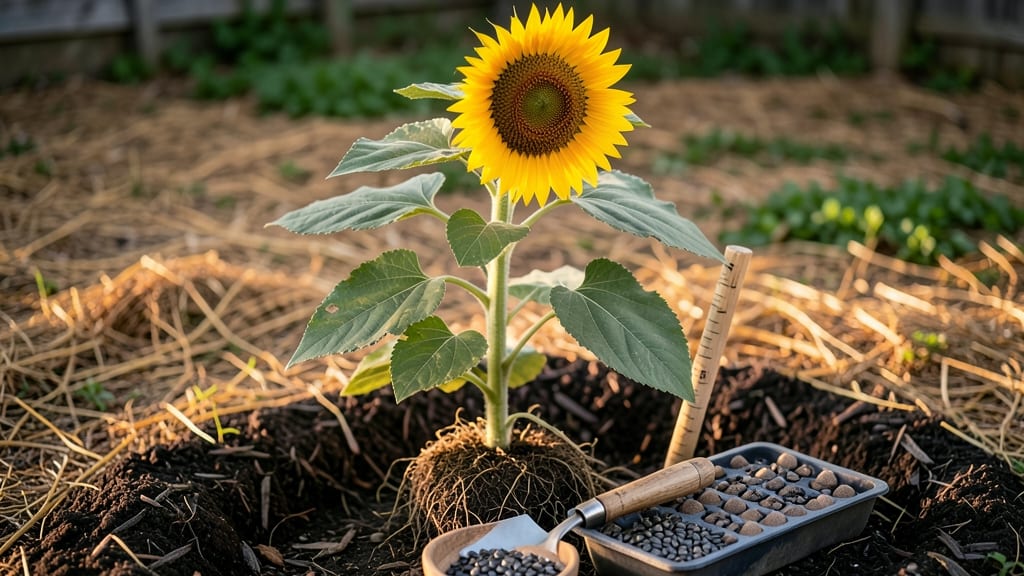
Planting sunflower seeds in Pennsylvania at the wrong time can mean the difference between a towering 🌻 display and a sad, wilted failure. With the state’s varied climate zones—from 5b in the Poconos to 7a in the south—getting the timing right is key to thriving blooms.
Most gardeners in PA wait until after the last frost, but that’s just the starting point. The real secret lies in understanding your specific zone’s frost-free window and soil temperatures.
Whether you’re in Philadelphia or Pittsburgh, knowing when to plant ensures your sunflowers have enough time to mature before the first frost hits in October.
I’ll walk you through the exact planting windows for your area, including tips for adjusting if you’re in a cooler microclimate. Plus, I’ll share how to prep your soil and avoid common mistakes that kill sunflower growth before it even begins.
Ready to grow sunflowers that reach their full potential? Let’s dive into the best times to plant in Pennsylvania and set your garden up for success.
PA sunflower planting deadlines by heat Zone: exact dates for success
Pennsylvania’s 7 USDA heat zones (3a-7b) create dramatic differences in sunflower success—planting too early in Zone 3a risks frost damage, while Zone 7b gardeners can push late-season starts. The key? Align your planting with last frost dates and soil temperature thresholds of 55°F+ for germination.
Most PA counties experience their final frost between April 15-25, but mountain regions like Cameron County (Zone 4a) can wait until May 10.
For annual sunflowers (like Mammoth or Autumn Beauty), aim to sow seeds 2-4 weeks after your area’s last frost. Perennial varieties (like Maximilian Sunflower) tolerate cooler soils, giving you a 2-week earlier window in Zones 5b-7b.
Always check local frost calendars—the PA State Climatologist updates first/last frost maps annually.
Soil temperature matters more than air temperature. Use a soil thermometer to confirm 55°F+ at 2-inch depth—below this, seeds rot.
In Zone 3a (Erie, Forest Counties), wait until May 1 for reliable germination, while Zone 7b (Delaware, Chester Counties) can start as early as April 1 under row covers.
Fall planting is risky but possible for late-season varieties in Zones 6b-7b. Sow seeds 6-8 weeks before first frost (typically September 15-October 1) for 80-day varieties like Teddy Bear. Use black plastic mulch to warm soil and extend the season by 2-3 weeks.
Here’s your heat zone breakdown with exact planting windows, last frost dates, and soil prep tips:
USDA Zone
PA Counties
Last Frost (Avg.)
Spring Planting Window
Fall Planting Window
Soil Temp Threshold
3a
Erie, Forest, Clarion
May 10
May 15–June 1
Not recommended
58°F+
4a
Cameron, McKean, Potter
May 1
May 1–May 15
Not recommended
56°F+
5a
Bradford, Lackawanna, Luzerne
April 25
April 30–May 10
September 1–15
55°F+
5b
Centre, Huntingdon, Juniata
April 20
April 25–May 5
September 15–30
55°F+
6a
Berks, Lebanon, York
April 15
How to adjust sunflower planting for PA’s microclimates and soil types
Pennsylvania’s diverse microclimates and varied soil types can make sunflower planting tricky. In the Poconos or Allegheny Mountains, cooler temperatures and shorter growing seasons demand earlier starts, while urban areas like Philadelphia may face compacted soil or heat islands that alter planting strategies.
The key is adapting your approach to your specific location and soil conditions.
For high-altitude regions (USDA zones 4-5), like the Poconos, start seeds indoors 6-8 weeks before your last frost date or use cold-hardy varieties like 'Autumn Beauty' that tolerate cooler soils.
In southern PA (zones 6-7), where summers are longer, you can plant directly outdoors 2-3 weeks earlier than the standard window.
Your soil type plays a critical role too. Heavy clay soils, common in the Pittsburgh area, drain poorly and can suffocate roots, while sandy soils in parts of central PA dry out quickly. Each requires different prep work to ensure your sunflowers thrive.
High-Altitude Areas (Poconos, Alleghenies): Start seeds indoors March 15-April 1 or use black plastic mulch to warm soil 2-3°F faster. Plant outdoors May 15-June 1.
Urban Gardens (Philadelphia, Pittsburgh): Test soil pH (6.0-7.5) and amend with compost if compacted. Plant April 20-May 15 for best results.
Heavy Clay Soils: Mix in sand and compost to improve drainage. Plant in raised beds if possible to prevent root rot.
Sandy Soils: Add organic matter like peat moss to retain moisture. Water deeply 2x weekly during germination.
Extending the Season: Choose late-blooming varieties like 'Russian Giant' and plant July 1-August 1 for fall blooms. Use row covers for early starts.
Companion planting can also give your sunflowers a boost. Pair them with bush beans or corn to improve soil nitrogen, or plant marigolds nearby to deter pests like sunflower moths. In urban gardens, consider container growing with dwarf varieties like 'Teddy Bear' to save space and improve drainage.
To extend the growing season for late blooms, try a second planting in early July. Choose fast-maturing varieties (50-60 days to harvest) and use mulch to retain soil warmth. In cooler microclimates, row covers can add 4-6°F of protection and push your last harvest date into early October.
Remember, sunflowers are resilient but benefit from proactive soil prep. Whether you're dealing with rocky terrain in the Lackawanna Valley or waterlogged areas near Erie, amending your soil with compost and organic matter will give your plants the best start.
With these adjustments, you’ll be rewarded with tall, vibrant blooms that attract pollinators and brighten your garden all season long.