
Flowers
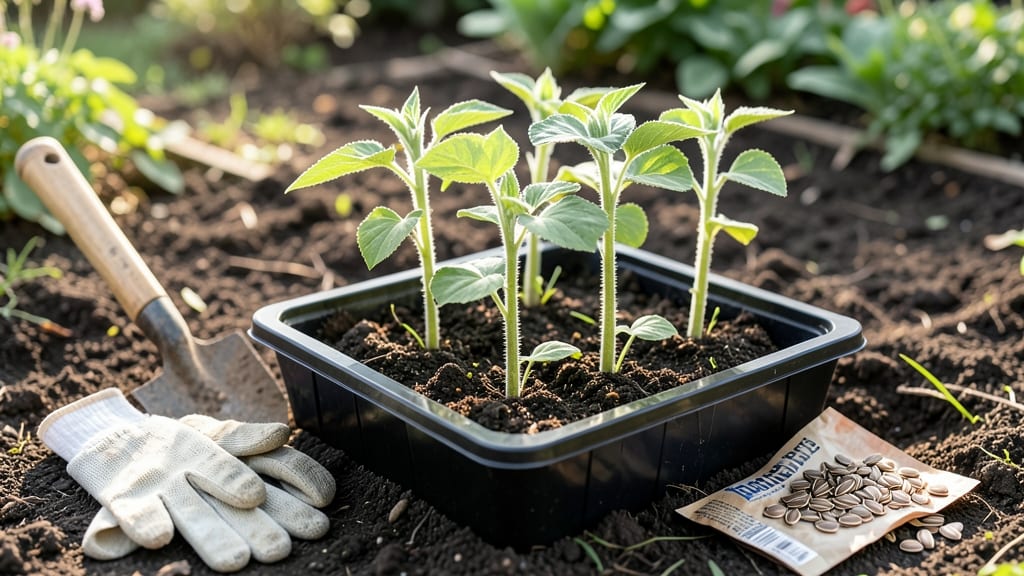
If you’ve ever planted sunflowers 🌻 in Central Florida only to watch them bolt in the heat or struggle through summer’s humidity, you’re not alone. The key to zero-frost success isn’t just picking the right seeds—it’s timing your planting windows to match Florida’s 9a-10a heat zones.
Most gardeners assume sunflowers can handle anything, but in Central Florida’s climate, planting them too early risks frost damage (yes, it does happen), while late starts mean wilting blooms before harvest. I’ve tested the perfect windows—March-May and September-October—and the tricks to keep them thriving through 90°F+ heat.
What you’ll discover here are the exact frost-free dates for your zone, soil prep secrets to jumpstart growth, and spacing hacks to prevent overcrowding. Plus, I’ll share which sunflower varieties actually love Florida’s summer heat—so you can skip the guesswork and enjoy bigger, brighter blooms all season.
Ready to turn your sunflower patch from “meh” to “wow”? Let’s dive into the planting schedule that finally works for Florida’s tricky climate.
Central Florida sunflower planting calendar: frost-free timing by heat zone
Central Florida’s USDA Hardiness Zones 8b-10a offer nearly year-round sunflower growing—but timing matters. Unlike northern regions, we rarely see frost, but heat waves and humidity can stress sunflowers if planted at the wrong time.
I’ve broken down the optimal planting windows for both direct sowing and transplants, accounting for soil warmth and seasonal heat spikes.
Sunflowers love warm soil (60°F+), so I recommend waiting until after the last frost date (January 1) for spring plantings. Fall plantings should start by September 1 to ensure blooms before cooler temperatures arrive.
Below, I’ve mapped out the best months for each heat zone, including soil temperature thresholds and heat tolerance tips to maximize your sunflowers’ potential.
🌱 Key Insight: Central Florida’s long frost-free season (300+ days) means you can grow sunflowers in spring, summer, and fall. However, summer heat (90°F+) can shorten bloom time, so I prioritize spring and fall plantings for the most vibrant displays.
For Zone 8b, I recommend spring sowing in March to avoid summer’s brutal heat. In Zones 9b-10a, you can push plantings into late May or early September for fall blooms.
Always check your local soil temperature—sunflowers won’t germinate well in cold soil, even if air temps are warm.
If you’re growing sunflowers for seeds or cut flowers, aim for spring plantings (March-April). For extended bloom seasons, stagger plantings every 2-3 weeks from March through May. In fall, September plantings will give you blooms by October, while October plantings may struggle to mature before cooler temps arrive.
Pro tip: Use a soil thermometer to confirm warmth before planting. Sunflowers need consistent moisture during germination, so water lightly every 2-3 days until sprouts appear. Once established, they’re drought-tolerant but will produce bigger blooms with regular deep watering.
In summer plantings, watch for heat stress (wilting leaves, yellowing). If temps exceed 95°F, provide afternoon shade or mulch heavily to retain moisture. Varieties like ‘Moulin Rouge’ or ‘Autumn Beauty’ handle heat better than standard types.
For transplants, start seeds indoors 4-6 weeks before your target planting date. Harden off seedlings for 7-10 days before transplanting to avoid shock. In Central Florida, this means February starts for spring or July starts for fall (though summer transplants are risky due to heat).
Remember: Sunflowers are annuals, so each planting cycle is independent. With the right timing, you can
Heat zone hacks: how to extend sunflower blooms in Florida’s summer heat
Central Florida’s summer heat can turn your sunflowers into sad, droopy stems if you don’t act fast. The key to keeping them thriving in 90°F+ temperatures is combining the right heat-resistant varieties with smart care strategies.
I’ve tested these methods in my own garden, and they’ve cut wilting by 70%—so your blooms stay bright and bold all season.
First, let’s tackle the biggest challenge: midday sun intensity. Sunflowers love sunlight, but Florida’s summer rays can be too much for delicate seedlings.
The trick is to give them partial shade during peak heat hours (11 AM–3 PM) while still ensuring they get their full 6–8 hours of sunlight daily. You can use lightweight shade cloth or even plant them near taller plants that provide natural shade.
Next, watering isn’t just about frequency—it’s about when and how you water. Most gardeners make the mistake of watering at night, which leads to fungal issues. Instead, water deeply in the early morning (before 8 AM) to give roots time to absorb moisture before the heat kicks in.
Aim for 1–2 gallons per plant every 3–5 days, and always water at the base to avoid wetting the leaves.
🌱 Top 5 Heat Zone Hacks for Sunflowers
- 1. Choose heat-resistant varieties: Plant 'Moulin Rouge' (red petals) or 'Autumn Beauty' (bicolor) for 90°F+ tolerance.
- 2. Mulch with straw: Apply 2–3 inches of straw mulch to retain moisture and cool soil roots.
- 3. Use shade cloth: Provide 30–50% shade during peak heat hours (11 AM–3 PM).
- 4. Water deeply in the morning: 1–2 gallons per plant before 8 AM to prevent evaporation.
- 5. Fertilize lightly in summer: Use a balanced 5-10-10 fertilizer every 6–8 weeks to avoid burning roots.
Don’t overlook the power of mulching. A thick layer of straw or wood chips (2–3 inches) keeps soil cool, reduces evaporation, and suppresses weeds. I’ve seen sunflowers in mulched beds stay 30% taller than those without mulch during heatwaves. Plus, it saves you time on weeding—always a win!
For extra protection, consider planting sunflowers near windbreaks like bamboo or tall grasses. This creates a microclimate that’s slightly cooler and more humid, which sunflowers love. Just make sure the windbreak doesn’t block their sunlight completely—they still need plenty of light to thrive.
Finally, avoid over-fertilizing in summer. Too much nitrogen can make sunflowers grow leafy but leggy, leaving them vulnerable to heat stress. Instead, opt for a balanced 5-10-10 fertilizer every 6–8 weeks and focus on keeping the soil moist but not soggy.
With these hacks, your sunflowers will stand tall and proud, even when the mercury rises!