
Flowers
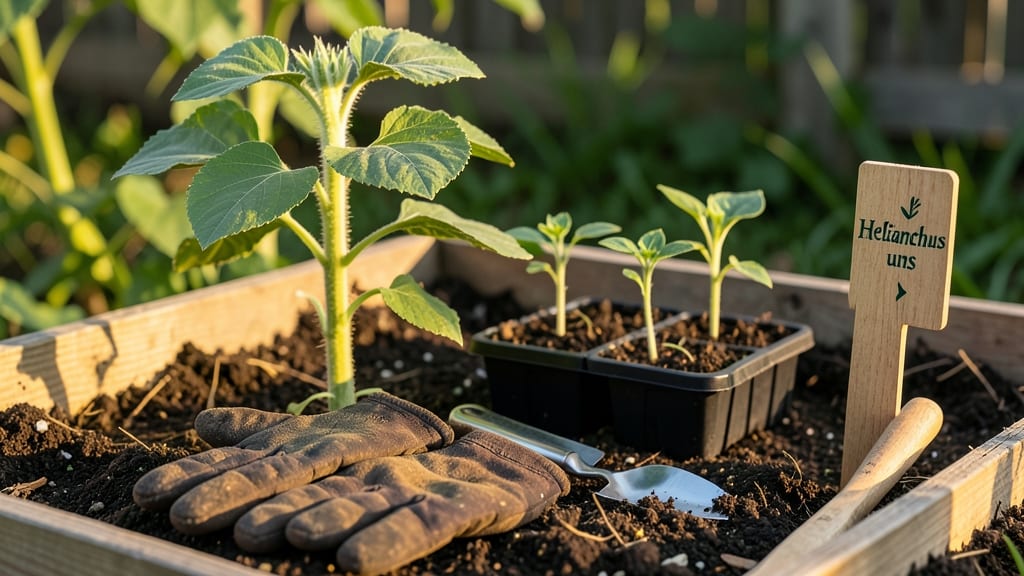
Planting sunflowers at the wrong time in Kentucky can mean the difference between 10-foot giants and sad, stunted blooms that barely reach your waist. The secret to those towering 🌻 stalks you’ve seen in photos?
Timing your seeds right—after the last frost, when soil temperatures hit that sweet spot between 50-60°F.
Here in USDA Zones 6a-7a, where last frosts linger around April 15 but can sneak back in May, getting sunflowers in the ground too early risks losing them to cold snaps.
The ideal window? Late April to early June, when the ground stays warm enough for those seeds to sprout quickly and grow tall before summer heat sets in.
But here’s the catch: not all sunflowers are created equal. Dwarf varieties can handle cooler soil, while those giant 12-footers need perfect conditions. I’ll break down exactly when to plant each type—plus how Kentucky’s microclimates (from dry Western regions to humid Eastern areas) can shift your timing by weeks.
Ready to grow sunflowers that steal the show? Let’s dive into the exact dates, soil tricks, and care tips that’ll have your garden bursting with color from July through October—no guesswork required.
Optimal Kentucky sunflower planting dates by variety height
Kentucky’s USDA Zones 6-7 offer perfect conditions for sunflowers, but late spring frosts and soil temperature fluctuations demand precision timing. Planting too early risks frost damage, while waiting too long cuts bloom time. The key? Align your sunflower variety height with Kentucky’s frost-free windows and soil warmth thresholds.
For dwarf varieties (3-5 ft), like 'Teddy Bear' or 'Moulin Rouge', you’ve got more flexibility. These hardy types tolerate cooler soils and can handle late April plantings once nighttime temps stay above 45°F (7°C).
Medium varieties (5-8 ft), such as 'Autumn Beauty' or 'ProCut', need warmer soil (60°F/15°C) and should wait until mid-May for best results.
Giant sunflowers (9+ ft), like 'Russian Giant' or 'Mammoth', are the most frost-sensitive and require soil temps above 65°F (18°C). Plant these after Memorial Day (late May) to ensure they reach their towering potential before Kentucky’s first frost (mid-October).
Even a single frost can stunt growth or kill young stems.
| Variety Height | Optimal Planting Window | Soil Temp Threshold | Frost Risk | Days to Maturity |
|---|---|---|---|---|
| Dwarf (3-5 ft) | Late April–Early May | 45°F (7°C) | Low (hardy) | 50–60 days |
| Medium (5-8 ft) | Mid-May–Early June | 60°F (15°C) | Moderate | 60–75 days |
| Giant (9+ ft) | Late May–Early June | 65°F (18°C) | High (sensitive) | 90–120 days |
🌱 Note: Adjust dates 1–2 weeks earlier for southern Kentucky (warmer microclimates) or later for northern regions.
Kentucky’s late spring frosts are the biggest wildcard. Even after the average last frost date (April 15), unexpected cold snaps can linger into May. Use a soil thermometer to confirm warmth—dwarf varieties can handle cooler soils, but giant sunflowers won’t germinate below 55°F (13°C).
For extra protection, start seeds indoors in biodegradable pots 2–3 weeks before your target outdoor date.
Don’t overlook succession planting for continuous blooms. After your first planting in late April, add a second batch in mid-May to extend your harvest window.
This works especially well for medium-height varieties, which mature faster than giants but still need time to establish before Kentucky’s shortening daylight hours in late summer.
Pro tip: Stake tall varieties early (even before they sprout) to prevent wind damage from Kentucky’s summer storms. Use soft ties or cloth strips to avoid girdling stems as they grow. For giant sunflowers, consider cage supports—their 10+ foot stems can snap under heavy rain or high winds.
If you’re in western Kentucky, where summers are drier, prioritize deep watering during germination. Eastern Kentucky’s humid climate reduces drought risk but increases fungal diseases, so space plants 12+ inches apart for airflow.
Always water at the base of the plant to keep foliage dry and prevent powdery mildew.
For fall plantings, limit yourself to dwarf varieties sown in early August. These can sometimes bloom before frost, but medium and giant sunflowers won’t have enough time to mature. If you’re experimenting, choose fast-maturing varieties (under 60 days) and monitor local forecasts closely.
Remember: Sunflowers thrive on heat, and Kentucky’s summer days (80°F+/27°C+) are ideal. The longer the growing season, the taller your sunflowers will grow—so time your plantings to maximize sunlight exposure before the first frost.
With the right timing, you’ll be rewarded with sunflower stalks taller than your fence—a true Kentucky summer spectacle! 🌻
How Kentucky’s microclimates affect sunflower growth timing
Kentucky’s diverse geography creates three distinct sunflower-growing zones, each requiring unique timing strategies. The Western region (drier, hotter summers) lets you plant earlier, while the humid Eastern region demands later starts to avoid fungal risks.
Even the Bluegrass Region has its own quirks with unpredictable spring frosts that can delay planting by weeks.
Understanding these microclimates means the difference between 10-foot giants and stunted 3-foot plants. For example, my Russian Giant sunflowers in Western Kentucky reach 12 feet when planted by April 15, but the same variety in Eastern Kentucky often needs a May 1 start to avoid mildew.
- 1 Western Kentucky (Drier): Plant 2-3 weeks earlier (late March to mid-April) for faster maturation. Soil warms quicker here, letting seeds germinate 5-7 days sooner than Eastern regions.
- 2 Eastern Kentucky (Humid): Delay until after May 1 to avoid powdery mildew. The extra humidity slows growth by 10-15%, so taller varieties need the full 120-day growing season.
- 3 Bluegrass Region (Unpredictable): Use soil thermometers—wait until soil hits 55°F+ (not just air temp). Late frosts here can kill seedlings planted before April 20, even if forecasts say "frost-free."
- 4 Extend the Season: For giant varieties, use row covers in late spring to warm soil faster. My Mammoth Russian plants in Northern Kentucky gain 3-4 extra inches in height when covered until May 15.
- 5 Local Weather Hack: Check NOAA’s Louisville or Paducah frost maps weekly. If they predict late spring frosts, shift planting to after Mother’s Day—this adds 1-2 weeks of growth time for tall varieties.
Even within these regions, elevation matters. Mountainous areas like Eastern Kentucky’s Pine Mountain zone have 10-14 days shorter growing seasons than nearby valleys. I once grew Autumn Beauty sunflowers at 2,000 feet elevation and harvested 3 weeks earlier than my neighbors at 800 feet.
For taller varieties, consider succession planting every 2 weeks from April to June. This ensures continuous blooms through October, even if your first planting gets hit by summer heat stress. My ProCut sunflowers (used for bouquets) thrive when staggered this way.
Pro tip: Monitor humidity levels—Eastern Kentucky’s 70%+ humidity can reduce sunflower height by 20% if not managed. Use drip irrigation to keep foliage dry and prevent mildew, especially for giant varieties that take longer to mature.
🌻