
Flowers
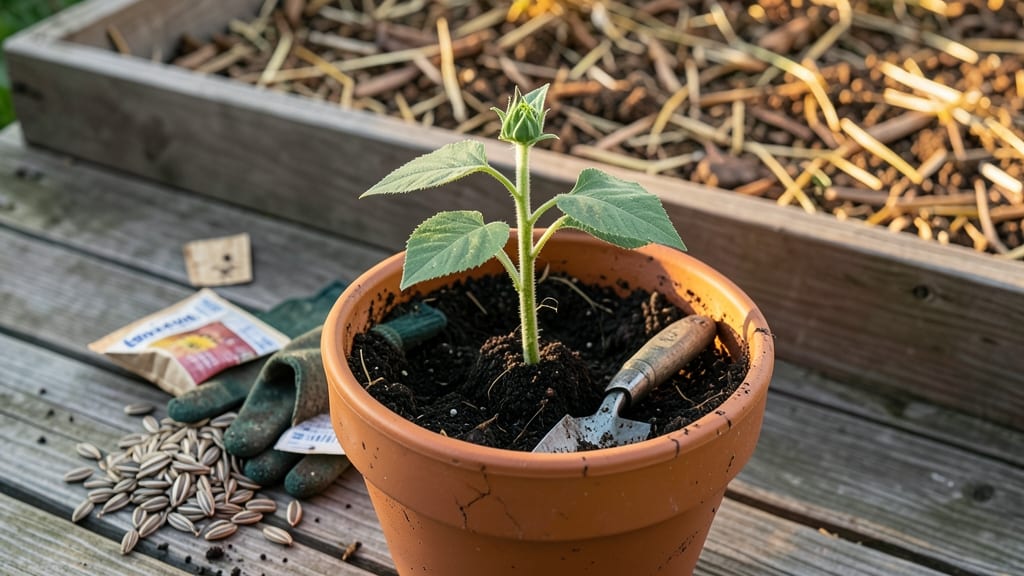
Timing your sunflower planting just right in Maryland is the secret to growing those 12-foot-tall giants you've always dreamed of. Too early, and frost will nip your seedlings before they even sprout. Too late, and summer's heat might stunt their growth before they reach their full potential.
With Maryland's USDA Zones 7a-7b climate, you've got a perfect window to plant your sunflowers 🌻 for maximum height and vibrant blooms.
The ideal time to get those seeds in the ground is between late April and early July, when soil temperatures are just right and the threat of frost has passed.
Whether you're a seasoned gardener or just starting out, knowing exactly when to plant can make all the difference in your sunflower's growth. I'll walk you through the best practices for direct sowing versus transplanting, soil preparation, and post-planting care to ensure your sunflowers thrive all summer long.
Let's dive into the details so you can enjoy those towering sunflowers that will be the envy of every neighbor in your Maryland garden.
Maryland sunflower planting calendar by month for maximum height
Growing sunflowers that reach 10+ feet in Maryland requires precise timing—plant too early and frost will strike, too late and summer heat may stunt growth. Maryland's USDA Zones 7-8 offer a 165-day frost-free window, perfect for sunflower varieties that thrive with full sun exposure and well-drained soil.
The key is planting when soil temperatures hit 55°F+ and adjusting for early vs. late varieties.
For maximum height, focus on May and June as your prime planting months. These months align with Maryland's last frost date (April 15) and provide 80-90 days of warm weather before the first frost in mid-October.
Varieties like 'Mammoth' or 'Russian Giant' need this full growing season to reach their towering heights.
Soil temperature is your best indicator—wait until the ground warms to 60°F+ for optimal germination. A soil thermometer is worth the investment, as cold soil can delay sprouting by 2-3 weeks. In Maryland's humid climate, well-draining soil prevents root rot, which can kill young seedlings before they reach 3 feet.
Here’s your month-by-month guide to planting sunflowers for maximum height, including soil prep, planting dates, and care tips:
For tallest sunflowers (10+ feet), prioritize May and early June plantings with varieties like 'Russian Giant' or 'Autumn Beauty'. These need 90+ days of warm weather to reach their peak.
If you plant in late June or July, choose dwarf varieties like 'Sunspot' to avoid stunted growth from Maryland's shortening daylight in late summer.
Adjust your planting schedule based on last frost dates—Maryland's Zone 7a (northern) areas have a later frost risk than Zone 8a (southern). In Zone 7a, wait until May 15 to plant, while Zone 8a gardeners can start as early as mid-April under row covers.
Always monitor soil moisture—sunflowers need 1-2 inches of water weekly but hate soggy roots.
Succession planting in July extends your bloom time but won’t yield tall varieties. Instead, opt for shorter sunflowers like 'Lemon Queen' for late-season color. Mulch around stems with straw or wood chips to retain moisture and prevent weeds from competing for nutrients.
This simple step can add 2-3 feet to your sunflower’s height by reducing stress.
Fertilize lightly at planting with a balanced 10-10-10 mix, then again in early July to support flowering. Over-fertilizing leads to leafy growth over blooms, while under-fertilizing stunts stem strength. Aim for 1 tablespoon per plant applied in the morning to avoid burning roots.
Deadhead spent blooms to encourage secondary flowers and redirect energy to stem growth. This trick works best with multi-branched varieties like 'ProCut', which can produce 50+ blooms per plant if managed properly. For single-stem giants, remove all side shoots to focus energy on the main stalk.
Watch for sunflower moths or bird damage—net young plants if needed. Birds adore sunflower seeds, and a single cardinal or goldfinch can strip a 12-foot stalk in hours. If you’re growing sunflowers for seeds or cut flowers, protect them with lightweight netting once stems reach 3 feet.
Harvest seeds in late September or October when the back of the flower head turns brown and seeds rattle. Dry seeds indoors for 2 weeks before storing. For cut flowers, harvest when 20-30% of petals open—this extends vase life by 5-7 days compared to fully bloomed heads.
How to choose sunflower varieties for Maryland’s climate and soil
Maryland’s hot summers and humid conditions demand sunflower varieties that thrive under pressure. The wrong choice can lead to stunted growth or disease, while the right variety will reward you with 12-foot giants that dominate your landscape. Let’s explore the best options for your garden’s unique conditions.
Maryland’s USDA Zones 7-8 and clay-heavy soils in many areas mean you need varieties with strong disease resistance and deep root systems. Giant sunflowers like 'Mammoth Russian' can reach 12+ feet but need consistent moisture, while dwarf varieties like 'Teddy Bear' handle heat better with less water.
Sunflower Variety Comparison for Maryland
| Type | Height | Pros | Cons | Best For |
|---|---|---|---|---|
| Giant (e.g., 'Mammoth Russian') | 10-14 ft | Tallest blooms, dramatic impact | Needs staking, more water | Full sun, well-drained soil |
| Dwarf (e.g., 'Teddy Bear') | 1-3 ft | Heat-tolerant, low water | Smaller blooms, shorter stature | Containers, small spaces |
| Multi-branched (e.g., 'Autumn Beauty') | 5-8 ft | Long bloom time, multiple flowers | Less height, needs space | Cut flowers, pollinators |
🌱 Pro Tip: For Maryland’s clay soil, amend with compost to improve drainage—especially for giant varieties.
Maryland’s humidity makes disease resistance a top priority. Look for varieties labeled rust-resistant or powdery mildew-resistant, like 'ProCut' or 'Sunbright'. These stay healthier in Maryland’s damp summers and produce longer-lasting blooms.
Timing your planting matters too. For tallest varieties, sow seeds in late May to early June to avoid early heat stress. Dwarf varieties can handle June-July plantings better, thriving in Maryland’s late-summer heat without wilting.
If you’re aiming for cut flowers, multi-branched varieties like 'Autumn Beauty' are ideal. They produce multiple blooms per stem and handle Maryland’s variable weather better than single-stem giants. Plus, their longer bloom time means fresh flowers from late summer into fall.
For container gardening, dwarf varieties like 'Little Becka' shine. They’re perfect for patio pots and balconies, adding color without overwhelming small spaces. Just ensure your containers have drainage holes to prevent root rot in Maryland’s heavy rains.
No matter which variety you choose, full sun is non-negotiable. Maryland’s 6-8 hours of daily sunlight will fuel those towering stems and vibrant blooms. Happy planting—your sunflowers will thank you with stunning height and color all season! 🌻