
Flowers
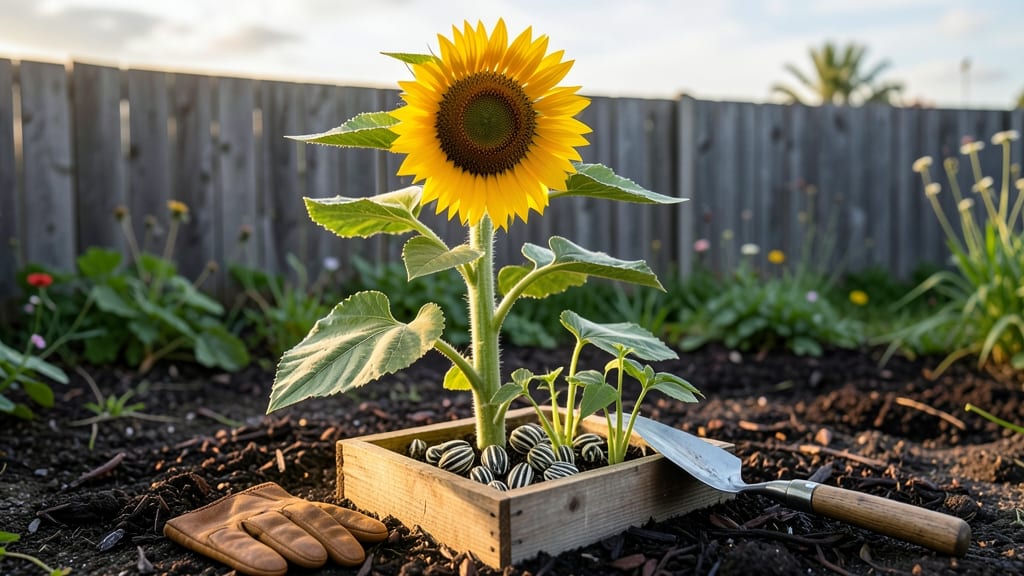
If you’re dreaming of towering 🌻 sunflowers that turn heads in your South Carolina garden, timing your planting is the secret weapon you can’t afford to miss.
Planting too early risks frost damage to delicate seedlings, while waiting too late might leave you with stunted blooms—especially in SC’s humid summers and mild winters. The key lies in understanding your zone (7b-8a) and microclimate, whether you’re in coastal Charleston or inland Greenville.
I’ll walk you through the exact planting windows for each zone, soil prep tricks to jumpstart growth, and how to stretch your harvest from July through October. No more guesswork—just giant, vibrant sunflowers that thrive in your backyard.
Ready to unlock the perfect schedule? Let’s dive into the step-by-step guide tailored for SC gardeners like you.
South Carolina sunflower planting dates by USDA zone (2024 guide)
Sunflowers thrive in South Carolina’s warm climate, but getting the timing right ensures those 10-foot-tall giants make it to maturity. With three distinct USDA zones (7b, 8a, 8b), your planting window varies by 10-14 days between regions.
The key? Wait until soil temperatures hit 60°F+ and all frost risk has passed.
In Zone 7b (Piedmont areas like Columbia), your window opens March 25-April 10 for direct sowing, while Zone 8a (Charleston) can start as early as March 10. Zone 8b (Hilton Head) enjoys a 3-week head start beginning February 25, but even here, late frosts can sneak in.
Soil temperature is your best gauge—use a soil thermometer to confirm 60°F+ at 2-inch depth before planting. Cold soil slows germination, leaving seedlings vulnerable to damping off. For starter plants, transplant 2-3 weeks after your zone’s last frost date.
Here’s the critical comparison of your planting windows by zone, including frost risks and ideal transplant timing:
| Zone | Last Frost Date | Direct Sow Window | Transplant Window | Soil Temp Requirement | Risk of Late Frost |
|---|---|---|---|---|---|
| 7b (Columbia) | March 15 | March 25–April 10 | April 15–May 1 | 60°F+ | Moderate (until April 5) |
| 8a (Charleston) | February 28 | March 10–March 25 | March 20–April 5 | 60°F+ | Low (after March 10) |
| 8b (Hilton Head) | February 15 | February 25–March 15 | March 10–March 25 | 60°F+ | Very Low |
Pro tip: Use black plastic mulch to warm soil faster in Zone 7b. This can shave off 5-7 days from your planting window by raising soil temps by 5-10°F. Just remove it once seedlings emerge to prevent overheating.
For late bloomers, consider succession planting in June—just be prepared for shorter stems (6-8 ft) if planted after June 15. Varieties like ‘Autumn Beauty’ handle cooler fall temps better than standard types.
Missed your zone’s window? No problem! Sunflowers are fast growers—even a July planting can yield 3-5 ft plants by frost if given full sun and consistent water. Just expect smaller blooms compared to spring plantings.
Remember: Soil prep matters just as much as timing. Amend your beds with compost to improve drainage—sunflowers hate soggy roots. A pH of 6.0-7.5 ensures nutrients are available for those rapid growth spurts.
🌻
5 Critical factors that determine perfect sunflower planting timing in SC
Perfect sunflower timing in South Carolina isn’t just about picking a month—it’s about reading your local microclimate, soil conditions, and variety maturity rates. I’ve grown sunflowers in both Charleston’s coastal zone and Greenville’s inland heat, and the differences are dramatic.
Coastal areas can have lingering spring chills weeks after inland zones warm up, while inland gardens may face summer drought stress if planted too late.
Let’s break down the five critical factors that separate successful sunflower gardens from disappointing ones. These will help you avoid the two biggest mistakes: frost-nipped seedlings and stunted summer growth.
Each factor ties directly to SC’s unique growing conditions, so pay close attention to how they interact in your specific zone.
-
1. Soil Temperature
Sunflowers need soil at 60°F+ to germinate. Use a soil thermometer—Charleston’s coastal soils warm slower than Greenville’s inland areas by 1-2 weeks. -
2. Last Frost Dates
Charleston averages March 15 last frost; Greenville March 1. Wait until 2 weeks after your zone’s average to plant. -
3. Sunflower Maturity Rate
Fast varieties (60-day) like ‘Teddy Bear’ need April planting for summer blooms. Tall varieties (120-day) like ‘Russian Giant’ should go in mid-April. -
4. Drought Conditions
SC summers bring heat waves. Plant in April-May to establish roots before June drought stress hits. -
5. Pre-Planting Prep
Amend soil with compost and sand (coastal areas) or mulch heavily (inland) to retain moisture.
Your soil temperature is the first hurdle to clear. Sunflowers are sensitive to cold soils, and germination stalls below 60°F. In Charleston, I’ve seen seeds take 3 weeks to sprout when planted in early April because coastal soils stay cooler.
Use a soil thermometer ($10 at garden centers) to confirm readiness—plant only when temps hit 60°F+ for 3 consecutive days. Inland Greenville gardeners can start 2 weeks earlier thanks to faster soil warming.
Next, factor in your local last frost date. While Charleston’s average is March 15, inland areas like Greenville typically see their last frost by March 1. The rule of thumb? Wait 2 weeks after your zone’s average last frost before planting.
This buffer accounts for unpredictable late-season cold snaps, which can kill young seedlings overnight. Pro tip: Check the National Weather Service for your specific county’s 10-year frost averages—they’re more accurate than general zone guides.
Don’t overlook your sunflower variety’s maturity rate. Fast-growing types like ‘Teddy Bear’ (60 days) need to be in the ground by mid-April to bloom by July, while ‘Russian Giant’ (120 days) should go in by late April for fall harvests.
I once planted ‘Moulin Rouge’ in early May and ended up with 6-foot-tall flops instead of the 10-foot giants I’d hoped for—because the heat stunted their growth. Match your variety to your planting window!
Finally, drought conditions make or break sunflower success in SC. Our summers bring 90°F+ heat and low humidity, which can dry out young plants quickly. Plant in April or early May to give roots time to establish before June’s drought stress kicks in.
Once established, sunflowers are drought-tolerant, but seedlings need consistent moisture. Mulch with straw or wood chips to lock in moisture and keep roots cool.
Before you plant, run through this quick prep checklist to set your sunflowers up for success: ☑️ Test soil pH (aim for 6.0-7.0) ☑️ Amend with compost + sand (coastal) or mulch (inland) ☑️ Choose a full-sun spot (6+ hours daily) ☑️ Plant seeds 1 inch deep, 6 inches apart ☑️ Thin seedlings to 12-24 inches apart when they’re 4 inches tall ☑️ Water deeply at the base (avoid wetting leaves) ☑️ Monitor for squirrel theft—bury seeds deeper if needed!