
Flowers
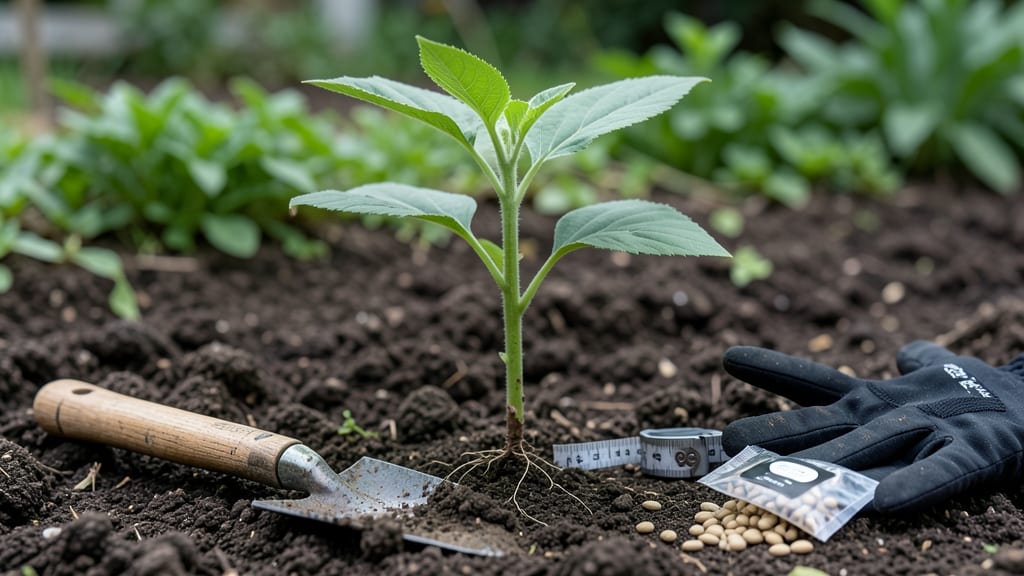
Knowing when to plant sunflowers in the ground is everything—because getting the timing wrong means watching their bright faces wilt before they even bloom.
Timing isn’t just about the calendar; it’s about your local climate and soil warmth. 🌻 In USDA Zone 6a, where I garden, the ideal window is April through May, but that’s just the starting point.
Most gardeners assume "after the last frost" is the golden rule, but sunflowers actually thrive when soil temperatures hit 55°F or warmer. That’s why I always check my thermometer before dropping seeds in the ground—skipping this step can lead to slow germination or worse, stunted growth.
If you’re in a cooler zone, you’ll need to adjust your timeline. For example, Zone 3 gardeners might start seeds indoors in March, while those in Zone 10 can plant year-round. The key is balancing frost risk with soil readiness—because even the hardiest sunflowers won’t forgive a cold surprise.
Ready to avoid common mistakes? I’ll walk you through exactly how to time your planting for maximum height and bloom, whether you’re sowing directly in the ground or using containers. Let’s get those seeds in the soil the right way.
Sunflower planting timeline by USDA hardiness zones (with frost-free date calculator)
Planting sunflowers at the right time ensures vibrant blooms and healthy growth. Your USDA hardiness zone and last frost date determine the perfect window—whether you're in Zone 2's harsh winters or Zone 11's mild climate.
For example, in Zone 6a, I plant mine in late April after the last frost, while in Zone 9a, I can start as early as February.
Sunflowers thrive when soil temperatures reach 55°F (13°C), so always check your local frost-free date and adjust for maturity timelines. Early varieties like 'Teddy Bear' mature in 50-60 days, while giants like 'Mammoth' need 100-120 days.
I use the National Weather Service's frost calculator to pinpoint my exact date—just plug in your ZIP code!
If you're unsure about your last frost date, check the Almanac's Frost/Freeze Calculator or ask your local cooperative extension office. I once planted sunflowers in Zone 5 too early, and a late frost nipped my seedlings—now I wait until May 1st just to be safe.
For northern climates, consider container growing to move plants indoors if frost threatens.
Sunflowers love warm soil, so I always test with a soil thermometer. If it's below 55°F (13°C), wait a few days—cold soil can stunt growth.
In Zone 9, where I garden, I plant 'Evening Sun' in February for summer-long blooms. This variety thrives in hot climates and handles drought better than most.
For short-season gardeners in Zones 3-4, choose fast-maturing varieties like 'Moulin Rouge' (56 days). I've also had success with staggered planting: sow half in May and half in June to extend the harvest. This works especially well for cut flowers—fresh blooms all summer!
In Zone 10-11, where frost is rare, I plant sunflowers year-round for continuous color. Just be mindful of overwatering—these zones can get too humid for sunflowers. I space plants 12 inches apart
How to time sunflower planting for maximum height and flower production
Sunflowers thrive when planted at the perfect moment—warm soil and consistent temperatures are the secret to taller stems and bigger blooms. Unlike many plants, sunflowers care more about soil temperature than air temperature, which means waiting for the ground to warm up is critical.
Plant too early, and you risk stunted growth or bolting (premature flowering). Get it right, and you’ll watch your sunflowers shoot up like skyscrapers.
Most gardeners focus on last frost dates, but sunflowers need soil temperatures above 55°F (13°C) to germinate properly. Cold soil slows growth, leading to weak stems that can’t support those heavy flower heads.
Even in warm climates, rushing the process can backfire—your sunflowers might bolt early or struggle to reach their full potential. Let’s fix that with a science-backed approach.
- Test soil warmth: Use a soil thermometer to confirm temps are 55°F+ (13°C+) at 2 inches deep. If it’s cooler, wait 1-2 weeks.
-
Adjust spacing by variety:
- Dwarf varieties (1-3 ft): 6-12 inches apart
- Standard (6-10 ft): 12-18 inches apart
- Giant (10+ ft): 18-24 inches apart
-
Avoid these mistakes:
- Planting in cold, wet soil (causes rot)
- Overcrowding tall varieties (weak stems)
- Skipping mulch (keeps roots cool)
Once your soil is ready, choose the right planting depth and spacing based on your sunflower’s mature height. Dwarf varieties like ‘Teddy Bear’ (1-3 ft) can handle tighter spacing, while giants like ‘Mammoth’ (10+ ft) need room to avoid competition.
Plant seeds 1 inch deep and 12-18 inches apart for standard varieties, then thin seedlings to 12 inches apart once they’re 4-6 inches tall.
After planting, monitor your sunflowers for signs of stress, like yellowing leaves or slow growth. These often mean the soil was too cold or the plants are overcrowded.
If you notice bolting (long, skinny stems with tiny flowers), your sunflowers are reacting to stress—likely from temperature swings or nutrient deficiencies. To prevent this, use black plastic mulch to warm the soil faster and add a balanced fertilizer (5-10-10) at planting time.
For maximum height, give your sunflowers full sun (6+ hours daily) and deep watering (1-2 gallons per plant, 2-3 times per week). Giant varieties may need additional support as they grow—consider trellising or staking for stems over 6 feet tall.
With the right timing and care, you’ll be rewarded with sunflowers that tower over your fence and blooms big enough to cast shade.
Remember, sunflowers are fast growers—some varieties reach maturity in just 80-100 days. By planting at the right time and giving them space to stretch, you’ll enjoy months of vibrant color and even harvest seeds for next year. Happy planting! 🌻