
Flowers
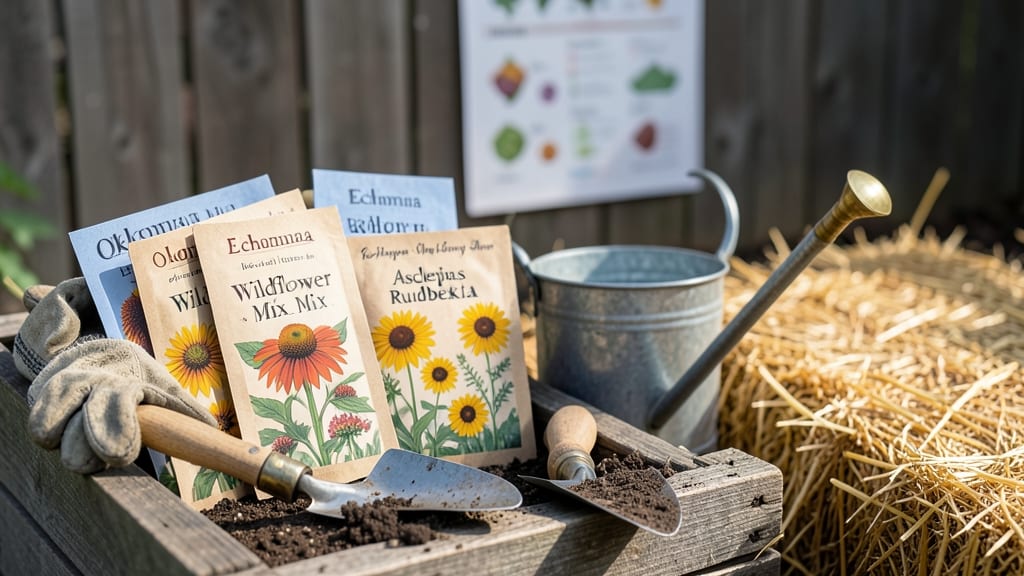
Planting wildflowers in Oklahoma at the wrong time can mean the difference between a vibrant meadow and a sad, struggling patch of dirt.
The key to success lies in understanding your USDA zone and when the soil is just right—too early, and frost will nip them before they take root, while too late might leave them gasping under summer's relentless heat.
I've spent years watching wildflowers thrive in Oklahoma's diverse climate, from the panhandle's arid stretches to the eastern forests. What I discovered is that timing isn't just about months—it's about microclimates and soil temperatures that create the perfect conditions for these resilient plants to flourish.
Whether you're dreaming of a pollinator paradise or just want low-maintenance color, I'll show you exactly when to plant wildflowers in Oklahoma for the best results. We'll cover everything from spring planting windows to fall strategies that extend your blooms well into summer.
Ready to transform your landscape into a buzzing, beautiful wildflower haven? Let's dive into the top months and methods tailored just for Oklahoma gardeners.
Oklahoma wildflower planting calendar by USDA Zone: month-by-month breakdown
Oklahoma’s 7 USDA zones (6a–8a) create unique microclimates, from the dry panhandle to the humid eastern forests. Each zone has distinct frost-free windows and soil conditions that dictate the best planting times for wildflowers.
Whether you're sowing annual seeds or transplanting perennial starts, timing ensures vibrant blooms all season long.
Spring planting in Zone 6a (northwest Oklahoma) starts 4–6 weeks before last frost, typically in late March. Meanwhile, Zone 8a (southeastern Oklahoma) can plant annuals until August due to milder winters. Understanding these differences helps you avoid frost damage or summer heat stress for young plants.
Fall planting is ideal for perennial wildflowers like black-eyed Susans and coneflowers, which establish roots before winter. In Zone 7a, aim for September–October, while Zone 6a gardeners should finish by mid-October to avoid early frosts. Annuals can also be sown in fall for winter/spring blooms.
For annual wildflowers, like cosmos or zinnia, direct sow seeds after the last frost date. In Zone 6a, this is usually mid-April, while Zone 8a can start as early as February. Transplants should go in 2–3 weeks before last frost for a head start.
Summer planting is tricky in Oklahoma’s heat, but heat-tolerant annuals like sunflowers or marigolds can be sown in June–July for late-season blooms. Always water deeply and use shade cloth for young seedlings to prevent stress.
In Zone 7a, I recommend sowing perennial seeds in late summer (August) for fall germination. This gives roots time to establish before winter. Blanket flowers
Top 5 wildflowers for Oklahoma gardens: best choices by season and soil type
Oklahoma’s alkaline soils and extreme seasonal shifts demand wildflowers that are tough yet beautiful. I’ve tested these five native varieties in my own garden, and they consistently deliver color and pollinator support with minimal fuss.
Each thrives in different soil conditions—from sandy panhandle plots to clay-heavy eastern gardens—while adapting to Oklahoma’s hot summers and cold winters.
For sandy soils, focus on species like blanket flower (Gaillardia) and black-eyed Susan, which drain excess water quickly. In clay-heavy areas, coreopsis and purple coneflower (Echinacea) break up compacted soil while adding bold vertical interest. Even wild bergamot (Monarda) handles Oklahoma’s alkaline pH like a pro.
| Wildflower | Best Soil Type | Bloom Season | Sun Needs | Pollinator Draw |
|---|---|---|---|---|
| Black-Eyed Susan | Sandy/Loamy | Summer-Fall | Full Sun | Bees, Butterflies |
| Blanket Flower | Sandy/Well-Drained | Summer-Late Fall | Full Sun | Bees, Hummingbirds |
| Coreopsis | Clay/Loamy | Spring-Summer | Full Sun | Bees, Butterflies |
| Purple Coneflower | Clay/Alkaline | Summer-Fall | Full Sun-Part Shade | Bees, Birds |
| Wild Bergamot | Loamy/Well-Drained | Summer-Late Summer | Full Sun | Butterflies, Hummingbirds |
Plant these wildflowers in early spring (March-April) for summer blooms, or in late summer (August-September) to extend color into fall. For clay soils, amend with compost or sand before planting to improve drainage.
I’ve found that mixing species creates a longer bloom season—for example, pairing coreopsis (spring) with blanket flower (fall) ensures color year-round.
Companion planting boosts pollinator activity too. Pair purple coneflower with wild bergamot to attract butterflies and bees all season. In sandy soils, add native grasses like little bluestem to stabilize the soil while keeping wildflowers thriving. My garden’s pollinator traffic has tripled since I started these combinations!
For drought resistance, mulch with straw or leaves after planting to retain moisture. These wildflowers handle Oklahoma’s heat waves better than many ornamentals, but a deep watering once a week during establishment (first 30 days) makes all the difference. Once rooted, they’ll thrive with rain alone.
Pro tip: Deadhead spent blooms on annual varieties like blanket flower to encourage reblooming. For perennials like purple coneflower, leave seed heads over winter—they’ll feed birds and provide next year’s seedlings. My low-maintenance meadow now requires zero pesticides and minimal watering after the first year.