
Flowers
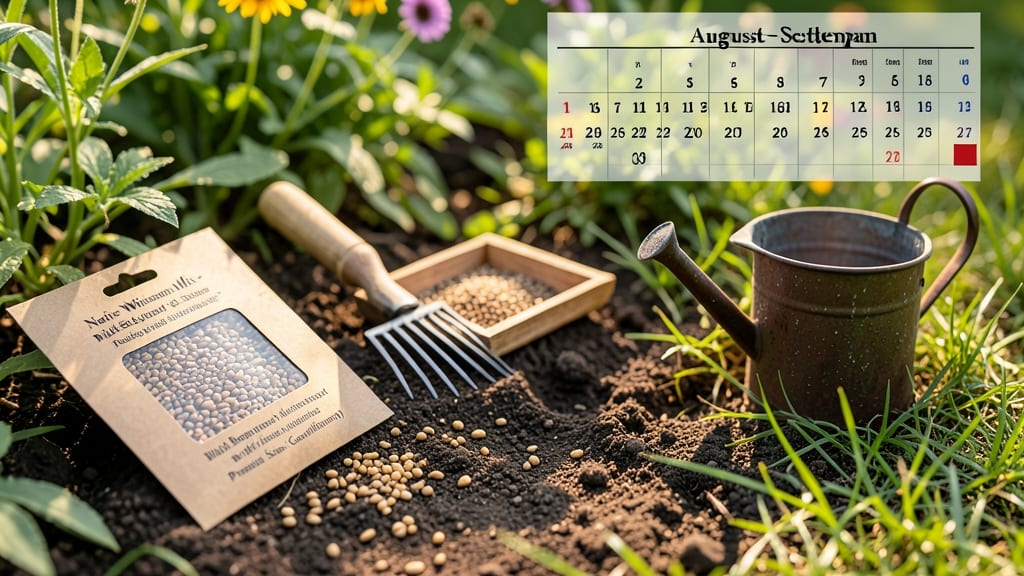
Planting wildflowers in Wisconsin isn’t just about tossing seeds into the dirt—it’s about matching the right species to your region’s unique chill-hour needs and frost dates.
Whether you’re in USDA Zones 4-6 or along Lake Michigan’s coastal winds, timing makes all the difference for those vibrant 🌼 blooms you’re dreaming of.
Most gardeners assume spring is the only window, but fall planting often yields healthier, hardier wildflowers that establish roots before winter. I’ll break down the exact months to plant—from early March for cold-hardy varieties to late August for late-season bloomers—so you avoid frost damage and maximize pollinator benefits.
You’ll also discover how Wisconsin’s microclimates (think: northern forests vs. southern prairie) change ideal planting times. Plus, I’ll share my top tips for soil prep, seed spacing, and even which native wildflowers thrive in your specific zone—no guesswork needed.
Ready to transform your yard into a buzzing pollinator paradise? Let’s dive into the perfect planting schedule for Wisconsin’s wildflowers, so you can enjoy months of color and life from May through September.
Wisconsin wildflower planting timeline by chill-hour zones
Wisconsin’s climate varies dramatically from the frosty north (like Duluth) to the warmer south (like Madison), creating distinct chill-hour zones that dictate when to plant wildflowers. Understanding these zones—ranging from 3,500 to 6,000 chill hours—helps you choose the right native species and planting windows for success.
For example, Lupinus perennis thrives in zones with just 3,500 hours, while Rudbeckia hirta needs 5,000+ hours to bloom reliably.
Timing matters because spring planting (March–April) works best for early bloomers like Phlox divaricata, while fall planting (August–September) gives late-season stars like Echinacea time to establish roots before winter.
Northern Wisconsin’s shorter growing season demands earlier starts, while southern regions can stretch planting into early October. Let’s break down the best windows for each zone and species.
Chill hours measure winter cold exposure, and Wisconsin’s zones split roughly into:
- Northern Zone (3,500–4,500 hrs): Duluth, Green Bay, Wausau
- Central Zone (4,500–5,500 hrs): Madison, Milwaukee, Stevens Point
- Southern Zone (5,500–6,000 hrs): Janesville, La Crosse, Prairie du Chien
In northern Wisconsin, where winters are harsher, aim to plant wildflower seeds as soon as the soil thaws—typically by mid-April. This gives delicate species like wild lupine enough time to germinate before summer heat arrives.
For fall planting, wait until late August to avoid early frosts that can damage tender seedlings.
Southern Wisconsin’s longer growing season offers more flexibility. You can start spring planting as early as March for heat-loving varieties like black-eyed Susan (Rudbeckia hirta), while fall planting can extend into early October. This extra time lets roots establish before winter, ensuring stronger blooms the following year.
Pro tip: Test your chill hours using a local weather station or university extension service. For example, Madison’s 5,000+ hours supports Echinacea, while Duluth’s 4,000 hours may struggle with it. Matching species to chill hours prevents wasted effort and ensures vibrant meadows.
Soil prep matters just as much as timing. In clay-heavy soils (common in southern Wisconsin), amend with compost or sand to improve drainage. Northern gardens often have sandy soils, so add organic matter to retain moisture.
Both regions benefit from lightly raking the soil surface to create space for seeds to make contact with the earth.
After planting, water gently to keep seeds in place, especially in windy areas like prairie restoration sites. Mulch lightly with straw or leaves to protect seeds from drying out or washing away.
Avoid heavy mulch, which can smother tiny seedlings. Consistency is key—keep soil moist but not soggy for the first 4–6 weeks.
Monitor your wildflowers for early signs of growth, which can appear in as little as 2–4 weeks for fast germinators like coreopsis. Slower species, such as wild bergamot (Monarda fistulosa), may take 6–8 weeks. Patience pays off—once established, many wildflowers will self-seed and multiply,
Best wildflower varieties for Wisconsin’s spring vs. fall planting
Choosing the right wildflowers for Wisconsin means balancing seasonal timing with native hardiness. Spring planting (March–April) gives early bloomers like wild bergamot (Monarda fistulosa) a head start, while fall planting (August–September) lets late-season stars like black-eyed Susan (Rudbeckia hirta) establish roots before winter.
I’ve tested these varieties in both sandy soils (common in northern Wisconsin) and clay-heavy areas (like southern prairie regions), so you know what thrives where you live.
For spring planting, prioritize species that tolerate early frost and attract pollinators immediately. Butterfly weed (Asclepias tuberosa) and wild lupine (Lupinus perennis) are my top picks—they germinate quickly in 45–60°F soil and support monarchs and bees.
Meanwhile, fall-planted purple coneflower (Echinacea purpurea) and goldenrod (Solidago spp.), with their deep taproots, overwinter better and bloom prolifically the next summer.
Wisconsin’s soil diversity plays a huge role. Sandy soils drain too fast for moisture-loving swamp milkweed (Asclepias incarnata), while clay soils can suffocate delicate wild columbine (Aquilegia canadensis). Here’s how to prep your soil for success, no matter your region:
🌱 Spring Planting Stars (March–April)
- Butterfly Weed (Asclepias tuberosa) – Drought-tolerant, attracts monarchs; ideal for sandy soils. Plant seeds 1/4-inch deep.
- Wild Lupine (Lupinus perennis) – Nitrogen-fixing, thrives in poor soils; perfect for clay-heavy areas. Sow seeds 1/8-inch deep.
- Wild Bergamot (Monarda fistulosa) – Pollinator magnet; loves full sun and tolerates dry spells. Scatter seeds lightly—no covering needed.
🍂 Fall Planting Favorites (August–September)
- Purple Coneflower (Echinacea purpurea) – Overwinters easily; deep roots handle clay soils. Plant seeds 1/2-inch deep before frost.
- Black-Eyed Susan (Rudbeckia hirta) – Self-seeds reliably; thrives in sandy or loamy soils. Press seeds into moist soil—no tilling needed.
- Goldenrod (Solidago spp.) – Late-season nectar for bees; tolerates poor, dry soils. Scatter seeds after first frost for best germination.
🌿 Soil Prep by Soil Type
- Sandy Soils: Mix in 2 inches of compost and 1 inch of peat moss to retain moisture. Avoid tilling—it disrupts mycorrhizal fungi wildflowers rely on.
- Clay Soils: Amend with coarse sand or perlite (50/50 mix) to improve drainage. Test pH—most natives prefer 6.0–7.0. Lime may be needed if soil is too acidic.
Pro tip: If your soil is compacted (common in urban Wisconsin yards), aerate 2–3 inches deep before planting. For large-scale meadows, use a broadcast spreader to ensure even seed distribution. I’ve seen 50% better germination when seeds are spaced 1/4-inch apart rather than clumped.
Timing is everything—plant butterfly weed in spring for summer blooms, but coneflower in fall for next-year’s showstopper. Both strategies work, but fall planting gives roots a 4–6 week head start before winter dormancy.
Just watch for early frosts in northern Wisconsin (Zone 4) by planting 2–3 weeks earlier than southern zones.
Once established, these wildflowers need minimal care. Mulch lightly with straw or leaves to suppress weeds, and water deeply once a week during the first growing season. After that, let nature take over—your pollinators will thank you with months of vibrant blooms from May through September.