
Flowers
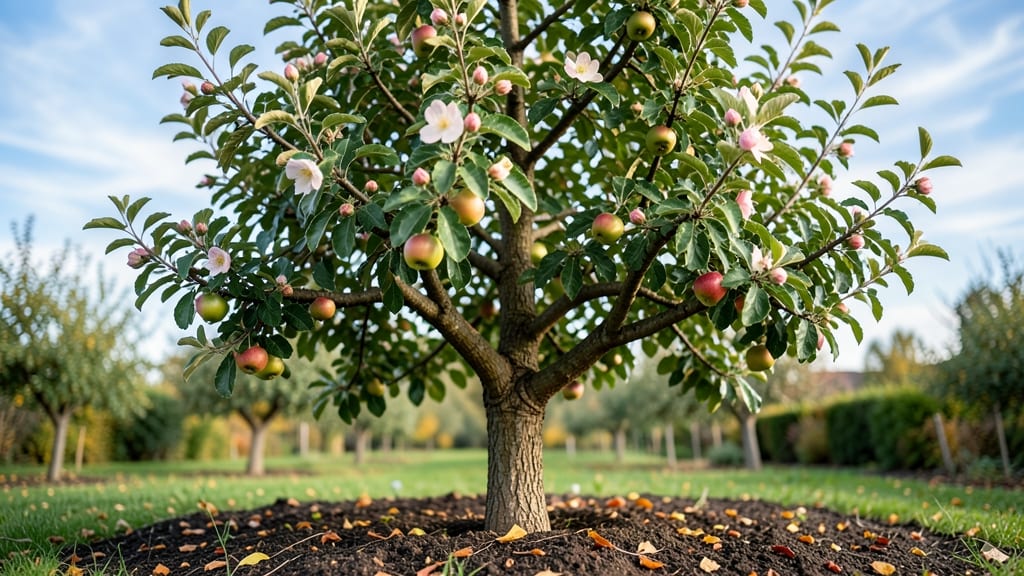
Watching your 🍎 apple tree bloom is exciting, but did you know only about 10% of those flowers actually turn into fruit? The rest fall away due to hidden factors like pollination timing, weather, and even the type of apple tree you planted.
This is where the magic happens—or doesn’t. Without the right pollinators, temperature balance, or cross-compatible varieties, your tree’s hard work in spring can end up in disappointment by harvest time.
But here’s the good news: with a few key strategies, you can dramatically improve your fruit set and enjoy a bountiful harvest.
I’ll walk you through the science of how apple tree flowers develop into fruit, including the critical 7-14 day window after blooming when fruit begins forming. You’ll also learn how to troubleshoot common issues like blossom drop and attract the right pollinators for a successful harvest.
Whether you’re dealing with a single tree or a small orchard, these insights will help you turn those beautiful flowers into the juicy apples you’ve been dreaming of. Let’s get started!
How apple tree flowers develop into fruit: the science of pollination
Every spring, your apple tree bursts into pink and white blossoms, promising a future harvest. But here's the catch: only about 10% of those flowers will successfully turn into fruit.
The magic happens during a 7-14 day window after flowering when pollination and fertilization occur. Understanding this process helps you maximize your apple yield.
The journey from flower to fruit begins when pollen grains transfer from the anther to the stigma of an apple blossom. This can happen through cross-pollination (pollen from another tree) or self-pollination (pollen from the same tree).
However, most commercial apple varieties rely on cross-pollination for optimal fruit set and quality.
Did you know? Apple trees produce two types of flowers: perfect flowers (with both male and female parts) and imperfect flowers (missing one part). Even perfect flowers benefit from cross-pollination for better fruit development. The critical 7-14 day window after flowering is when fertilization occurs, leading to fruit formation.
During this window, the ovary at the base of the flower begins to swell and develop into a tiny apple. Without successful pollination, the flower will simply drop off the tree.
This is why you might see a heavy bloom followed by few apples—it's not the tree's fault, but rather a lack of proper pollination.
Let's break down the key stages and factors that influence this process:
| Stage | Process | Key Factors | Timeframe |
|---|---|---|---|
| Flowering | Blossoms open and release pollen | Temperature: 55-75°F | 3-7 days |
| Pollination | Pollen transfer to stigma | Bees, wind, or cross-pollination | 1-3 days |
| Fertilization | Pollen tube grows to ovary | Moisture, temperature stability | 7-14 days |
| Fruit Set | Ovary develops into apple | Nutrients, sunlight, water | 2-4 weeks |
| Cell Division | Rapid growth of fruit cells | Warmth, consistent care | 4-8 weeks |
After pollination, the pollen tube grows down the style to reach the ovule inside the ovary. This process takes about 3-5 days under ideal conditions. Once fertilization occurs, the ovule begins developing into the seed, while the surrounding ovary swells into the apple fruit.
This is why you'll see tiny apples form within 2-4 weeks after flowering.
One of the most critical factors during this stage is temperature stability. Apple blossoms are sensitive to late frosts or temperature swings, which can damage pollen or flowers.
Ideal pollination occurs when daytime temperatures stay between 55-75°F. Below 50°F, bees are less active, and pollen may not transfer efficiently.
Bees play a vital role in apple pollination. A single bee can visit 50-100 flowers in an hour, transferring pollen between trees. If you notice fewer bees in your orchard, consider planting bee-friendly flowers like lavender or clover nearby.
Even wind can help, but it's less efficient than insect pollination for apple trees.
Once fruit set occurs, you'll see tiny green apples forming on the tree. This is when fruit thinning becomes important. Overcrowded fruit competes for nutrients, leading to small, poor-quality apples. Thin fruit to 6-8 inches apart when they're the size of a walnut to encourage larger, healthier apples.
Throughout this process, the tree relies on nutrients from the soil. A balanced 10-10-10 fertilizer applied in early spring provides the nitrogen, phosphorus, and potassium needed for flower and fruit development.
Avoid heavy nitrogen applications during flowering, as they can lead to excessive leaf growth at the expense of fruit.
By understanding this 7-14 day pollination window and the factors that influence it, you can take steps to improve your apple tree's fruit set. Plant compatible varieties together, protect blossoms from frost, and attract pollinators to turn those beautiful flowers into a bountiful harvest. 🍎
5 Common reasons apple flowers drop before fruiting (and how to fix them)
If your apple tree is covered in beautiful blossoms but hardly any fruit forms, you're not alone. Up to 90% of flowers can drop before fruiting due to hidden issues.
The good news? Most problems have simple fixes. Understanding these common causes will help you keep more flowers on the tree and boost your harvest.
Blossom drop happens when flowers fail to develop into fruit due to environmental stress, nutrient deficiencies, or cultural mistakes. For example, a sudden temperature swing from warm to cold can shock the tree, while pests like codling moths may damage developing fruit.
Even overcrowded branches can cause the tree to drop flowers to conserve energy. Let’s explore these issues and how to fix them.
-
1. Extreme Temperature Swings
Frost or heat shocks can kill pollen or damage flowers. -
2. Poor Pollination
Missing bees or incompatible apple varieties. -
3. Nutrient Deficiencies
Low boron or nitrogen stops fruit development. -
4. Overwatering or Drought Stress
Root issues disrupt nutrient flow to flowers. -
5. Overcrowded Branches
Too many flowers compete for energy, causing drop.
One of the most common culprits is extreme temperature swings. Apple blossoms are sensitive to frost, especially at night. If temperatures drop below 28°F (-2°C) during bloom, pollen can die, preventing fertilization. To protect your tree, monitor weather forecasts and use row covers or sprinklers to create a microclimate.
Even a light frost can cause flowers to drop within 24-48 hours, so act fast if frost is predicted.
Another major issue is poor pollination. Many apple varieties require cross-pollination from a different variety to set fruit. If you only have one type of apple tree, flowers may drop because they aren’t being pollinated effectively.
Plant a second compatible variety within 50 feet to attract bees and ensure pollination. For example, 'Honeycrisp' pairs well with 'Gala' or 'Fuji'. You can also hand-pollinate by gently transferring pollen with a paintbrush if bees are scarce.
Don’t overlook nutrient deficiencies, particularly boron and nitrogen. Boron is critical for fruit development, and a deficiency can cause blossoms to drop before setting. Test your soil and apply borax (follow package instructions) in early spring if levels are low.
Additionally, a balanced fertilizer with a 10-10-10 NPK ratio can help ensure your tree has the nutrients it needs during the critical flowering stage. Avoid over-fertilizing, though, as excess nitrogen can lead to leafy growth at the expense of fruit.
Finally, overcrowded branches can force your apple tree to drop flowers to conserve energy. If too many flowers are on a single branch, the tree may prioritize fewer, larger fruits over many small ones. To fix this, thin out excess flowers when they’re about pea-sized.
Remove every other flower cluster, leaving only the strongest blooms. This also improves air circulation, reducing the risk of fungal diseases like apple scab. Prune in late winter to open up the canopy and encourage better fruit development.
By addressing these common issues—temperature protection, proper pollination, nutrient balance, and pruning—you’ll give your apple tree the best chance to turn those blossoms into a bountiful harvest.
Start with one or two fixes this season, and watch your fruit set improve dramatically. Happy gardening! 🍏🌸