
Plants
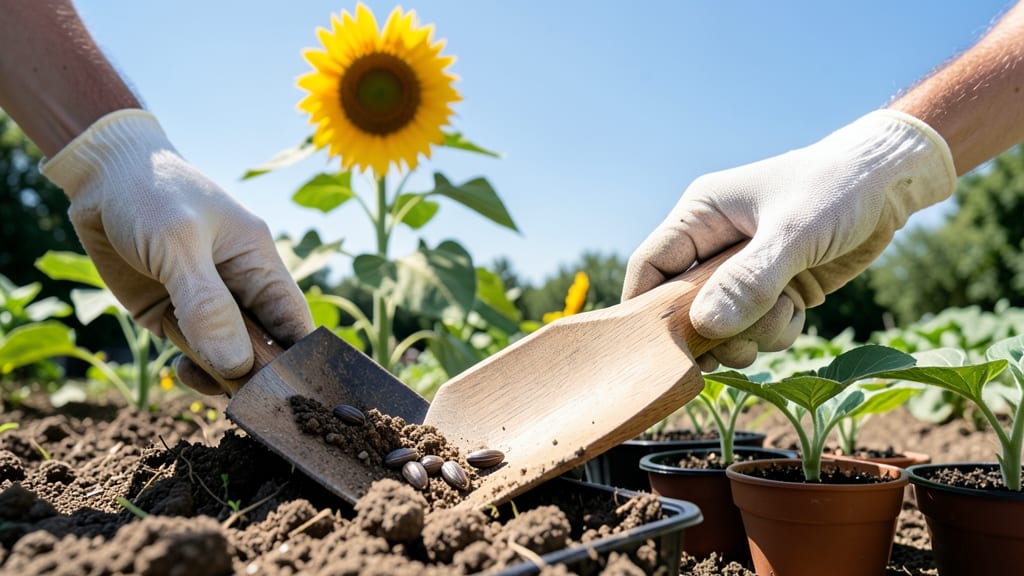
Planting sunflower seeds at the wrong time can mean the difference between a 12-foot tower of golden blooms and sad, stunted plants that never reach their potential.
The best time to plant sunflower seeds isn't just about waiting for spring—it's about catching that sweet spot when soil temperatures hit 55°F or warmer, ensuring faster germination and stronger roots.
For most gardeners in USDA Zone 6a, that window opens after your last frost date—typically in April or May. But here's the catch: rushing too early can leave seeds sitting in cold soil, while waiting too late might cut your blooming season short.
I'll break down exactly when to plant for your region, plus pro tips to maximize those towering 🌻 stalks you've been dreaming of.
Why does timing matter so much? Sunflowers are fast growers, but they need warmth to thrive. Planting too soon can lead to slow starts or even rot, while late planting might mean smaller flowers or fewer seeds.
Let's get you planted at the perfect moment for vibrant, healthy sunflowers that'll be the envy of your neighborhood.
You'll discover how to read your soil's temperature cues, adjust for your local climate, and even stretch your sunflower season with simple tricks.
Whether you're a first-time gardener or a seasoned pro, these insights will help you grow sunflowers that are bigger, stronger, and more reliable than ever before.

Optimal planting windows by climate Zone: when soil temperature matters most
Sunflowers thrive when planted after the last frost date and when soil temperatures consistently reach 55°F or warmer. This threshold ensures quick germination and prevents bolt-resistant varieties from stunting.
In colder zones, waiting for soil warmth is more critical than calendar dates—your seeds will thank you with vibrant blooms instead of leggy, weak stems.
Coastal regions often have earlier planting windows due to milder microclimates, while inland areas may need to wait 2-3 weeks longer for stable soil temperatures. For example, Zone 3 gardeners should aim for late May, while Zone 10 can plant as early as February.
The key? Test your soil with a thermometer—if it’s below 55°F, hold off.
Here’s how to align your planting with your USDA zone, including regional adjustments for coastal vs. inland areas:
Planting too early in cool soil risks rotten seeds or slow germination, while waiting too long can lead to bolting (premature flowering) in heat-sensitive varieties. For giant sunflowers, prioritize early spring planting (April-May in most zones) to maximize stem strength and bloom size.
In Zone 3-5, I’ve found that staggered planting—sowing seeds every 2 weeks—extends the bloom season from July to September. This works especially well for dwarf varieties, which bolt faster in hot weather.
For example, plant your first batch in late May and follow up in early June for a continuous display.
Coastal gardeners in Zones 6-10 can push planting even earlier, sometimes as early as February. The ocean’s moderating effect keeps soil warmer longer, but watch for chilly coastal fog, which can delay germination. Use row covers if nights dip below 50°F to protect young seedlings.
For inland areas, especially in Zones 7-9, heat can be just as much of a challenge as cold. Plant shade-tolerant varieties like ‘Teddy Bear’ in late spring (May-June) to avoid bolt-resistant stress.
Mulch heavily to keep roots cool and retain moisture, which is critical for maximizing bloom size.
Pro tip: If you’re unsure about your last frost date, check local weather records or use a frost calendar from your extension service.
I’ve planted sunflowers in Zone 6 as early as April 15 with row covers, but without them, I’ve seen germination fail when soil temps hovered at 50°
Sunflower seed planting checklist: 5 critical steps to avoid common mistakes
Once you've nailed the best time to plant sunflower seeds, the next step is ensuring your seeds get everything they need to thrive. Sunflowers are surprisingly low-maintenance, but a few key mistakes can turn your golden dreams into floppy stalks.
Let's break down the five critical steps that separate healthy sunflowers from disappointing ones.
First, soil preparation is non-negotiable. Sunflowers hate soggy roots, so test your soil's drainage before planting. Amend heavy clay with compost or sand, and avoid planting in low-lying areas where water pools.
A simple soil pH test (aim for 6.0-7.5) will reveal if you need to add lime or sulfur to create the perfect growing environment.
The moment you've been waiting for arrives: planting day. Here's where most gardeners trip up. Depth matters—bury seeds just 1-2 inches deep, no deeper. Press the soil gently around them to ensure good seed-to-soil contact, which helps with moisture absorption and germination.
This is also when you'll want to consider adding a starter fertilizer with phosphorus to boost root development.
The best time to plant sunflower seeds isn't just after your last frost—it's when soil temperatures consistently reach 55°F or warmer. Planting too early in cold soil can cause seeds to rot, while waiting too late may result in stunted growth before frost.
For most regions, this means April-May for spring planting, but always check your local frost dates and soil temp trends.
Pro tip: Use a soil thermometer to monitor temperatures. If your soil is still below 55°F after your last frost, wait another week or two. Patience now means bigger blooms later!
Spacing is another area where gardeners often overshoot. 12-24 inches apart is ideal, depending on your sunflower variety. Dwarf types can handle the closer end of this range, while giant varieties need more room to avoid competition.
Overcrowding leads to stunted growth and fewer blooms, so resist the urge to squeeze them in tight. Think of it like giving each plant its own personal sunbeam!
Sunflowers are sun worshippers—6+ hours of direct sunlight daily is non-negotiable. Choose the sunniest spot in your garden, even if it means sacrificing a less-than-stellar vegetable patch.
If you're planting in containers, position them where they'll get maximum light exposure. Remember, the more sun they receive, the taller and more vibrant your sunflowers will grow.
Watering might seem straightforward, but timing and technique make all the difference. Deep watering once or twice a week is better than frequent shallow drinks. Aim for 1-2 inches of water per week, delivered at the base of the plant to keep foliage dry and prevent fungal diseases.
Morning watering is best—it gives leaves time to dry before evening, reducing the risk of mildew.
Finally, don't forget that sunflowers are heavy feeders. While they don't need constant fertilizing, a balanced 10-10-10 fertilizer applied when plants reach 1-2 feet tall will give them the boost they need for those dramatic blooms.
Just be careful not to overdo it—too much nitrogen can lead to leafy growth at the expense of flowers. Your reward for these efforts? Sunflowers that reach for the sky and bring pollinators to your garden all season long!