
Blooming
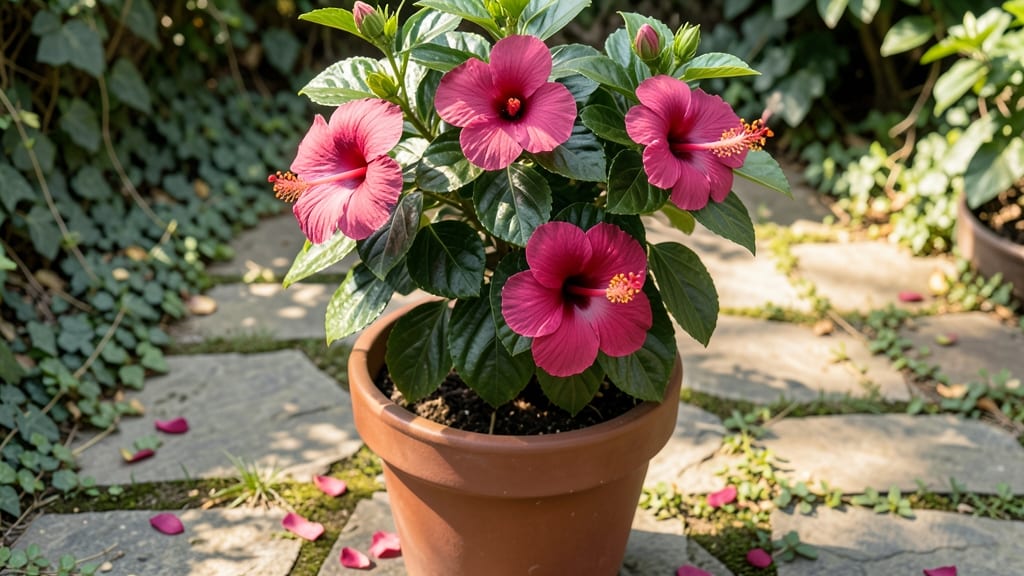
When do hibiscus flowers bloom? Exact months by USDA hardiness Zone
Hibiscus flowers are nature’s fireworks, but their blooming windows vary wildly depending on your USDA hardiness zone and whether you’re growing tropical or hardy varieties. In warmer climates like Zones 9-11, hibiscus can bloom year-round with proper care, while cooler zones (like Zone 7) see shorter, seasonal displays.
Understanding these patterns lets you plan for peak bloom periods and extend your garden’s color show.
Tropical hibiscus (Hibiscus rosa-sinensis) thrives in Zones 10-11 and blooms continuously when temperatures stay above 50°F (10°C). Hardy hibiscus (Hibiscus moscheutos or Hibiscus syriacus), however, need chill periods to trigger blooms, making their timing more predictable but seasonal.
Let’s break down the exact months for each zone so you can time your garden activities perfectly.
| USDA Zone | Variety Type | Early Bloom | Peak Bloom | Late Bloom | Notes |
|---|---|---|---|---|---|
| Zone 7 | Hardy Hibiscus | June | July-August | September | Needs winter mulch; blooms after last frost. |
| Zone 8 | Hardy + Tropical | May | June-September | October | Tropical hibiscus may bloom lightly in winter. |
| Zone 9 | Tropical Hibiscus | March | April-October | November | Minimal winter blooms; prune in late winter. |
| Zone 10 | Tropical Hibiscus | January | February-November | December | Year-round blooms with minimal winter slowdown. |
| Zone 11 | Tropical Hibiscus | All Year | All Year | All Year | No winter dormancy; blooms continuously. |
In Zone 7, hardy hibiscus like Hibiscus moscheutos (swamp hibiscus) burst into bloom in late June, peaking through August before tapering in September.
These varieties rely on cool winter temperatures to reset their growth cycle, so don’t prune until late winter—this ensures a strong spring flush of blooms the following year. Gardeners in Atlanta or Cincinnati should mark their calendars for July 4th weekends, when hibiscus often reach their most vibrant displays.
Moving to Zone 8, you gain flexibility with both tropical and hardy hibiscus. Tropical varieties like Hibiscus rosa-sinensis may start blooming as early as May, while hardy types follow the Zone 7 schedule.
The Gulf Coast region (e.g., New Orleans) enjoys extended blooming through October, thanks to milder winters. Here, hibiscus can even produce light blooms in winter if temperatures stay above 40°F (4°C), making them a reliable year-round performer with minimal effort.
For Zones 9-11, hibiscus lovers enter a b
How to extend your hibiscus flowering season naturally (Zone-specific tips)
Hibiscus blooms are a garden highlight, but their natural flowering season can feel short-lived—especially in Zones 7-8. The key to extending that vibrant display lies in understanding your plant’s needs and adjusting your care routine.
With the right techniques, you can coax your hibiscus into blooming well beyond its typical 3-month window, transforming your garden into a year-round spectacle.
In cooler climates like Zone 7, hibiscus often enters dormancy by late fall, while Zone 8 varieties might linger until frost. The secret to prolonging blooms? A combination of strategic pruning, nutrient management, and seasonal adjustments tailored to your microclimate.
Let’s dive into the proven methods that work for gardeners in these transitional zones.
- 🌱 Prune for continuous blooms: Cut back 1/3 of stems after first flush (spring) to encourage new growth and reblooming. Use clean, sharp shears to avoid disease.
- 💧 Adjust watering by zone: Zone 7: Deep water 2x/week in summer; Zone 8: Water 3x/week during heatwaves. Always water at soil level to protect buds.
- 🌿 Feed with phosphorus: Switch to a 5-10-10 fertilizer in late summer to boost flower production. Apply every 6 weeks until frost.
- ☀️ Maximize sunlight exposure: Ensure 6+ hours of direct sun daily. In Zone 7, use reflective mulch to bounce light onto stems.
- ✂️ Deadhead daily: Remove spent blooms before they wilt to redirect energy to new flower production. This simple step can add 4-6 weeks to your blooming season.
One of the most effective strategies for Zone 7-8 gardeners is seasonal pruning. After your hibiscus’s first major bloom cycle (typically late spring), give it a light pruning to remove any woody or crossing branches.
This encourages lateral branching, which translates to more flower buds. For tropical hibiscus varieties, you can even prune lightly in early fall to stimulate a winter rebloom before dormancy sets in.
Soil health plays a critical role in extending blooms. Hibiscus thrive in slightly acidic to neutral soil (pH 6.0-7.0). Conduct a soil test in early spring and amend with compost or peat moss if needed.
In Zone 8, where winters are mild, a thin layer of mulch (2-3 inches) helps retain moisture and moderate root temperatures, which keeps the plant actively growing—and blooming—longer.
For gardeners in Zone 7, winter protection is non-negotiable if you want to see blooms the following spring. After the first frost, wrap the base of your hibiscus with burlap or frost cloth and add a thick mulch layer.
In Zone 8, where frosts are rare, focus on protecting new growth with a lightweight row cover during unexpected cold snaps. These small adjustments can mean the difference between a single spring bloom and continuous color for months.
Remember, hibiscus are heavy feeders, but timing matters. Over-fertilizing in fall can lead to weak growth that won’t survive winter. Instead, reduce feeding by late August and switch to a low-nitrogen, high-phosphorus blend to support flower bud formation.
Pair this with consistent morning watering (never overhead in evenings) to prevent fungal issues that can stunt blooming.