
Size
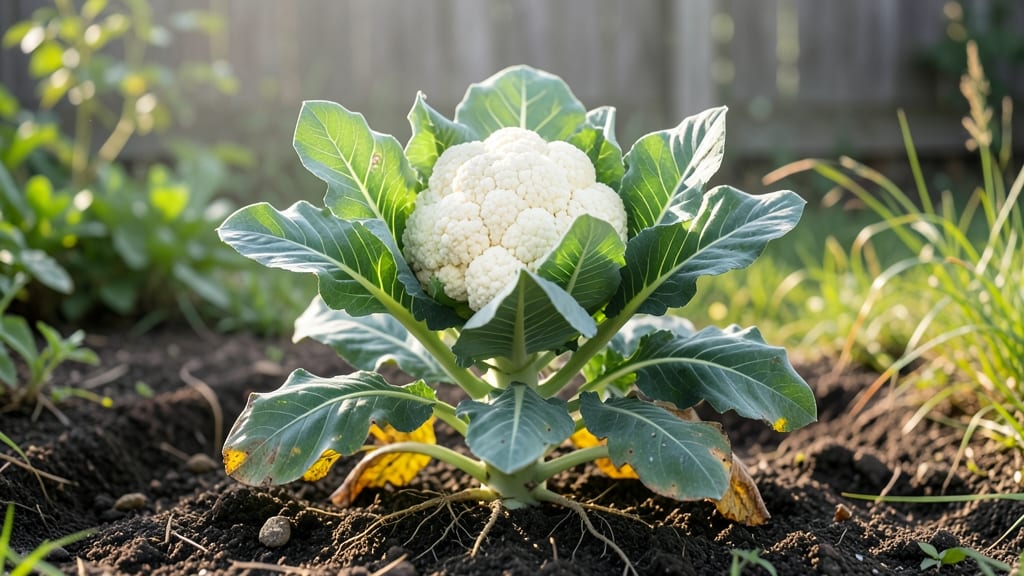
Growing cauliflower 🥬 from seed to harvest isn’t just about patience—it’s about timing, and getting it right means knowing exactly how long to wait.
Most varieties take between 60 to 100 days to mature, but whether you’re planting in Zone 6a or a warmer climate, small tweaks can shave weeks off that timeline—or stretch it out if conditions aren’t ideal.
If you’ve ever wondered why some gardeners harvest creamy heads in just 75 days while others wait twice as long, the answer lies in variety selection, soil temperature, and even how you start your plants.
I’ll break down the exact stages—from those first sprouts to the perfect curd—so you can plan your garden like a pro and avoid the frustration of waiting too long (or harvesting too early!).
Let’s start with the basics: whether you’re direct-sowing in April or transplanting seedlings, understanding the key factors that speed up or slow down growth will make all the difference.
From sunlight needs to watering schedules, I’ve got the practical tips you need to ensure your cauliflower 🥬 reaches harvest-ready perfection without a hitch.
Ready to turn those seeds into a bountiful harvest? By the end of this guide, you’ll know not just how long your cauliflower takes to grow, but how to control that timeline for the best results. Let’s get started!

Cauliflower growth timeline: weeks from seed to harvest by variety
Growing cauliflower from seed to harvest is a rewarding process, but the exact timeline varies dramatically based on variety, growing method, and climate conditions. Most gardeners expect 60-100 days from seed to harvest, but some varieties mature faster or slower depending on your approach.
Let’s break down the growth stages for popular cauliflower types and how to optimize your timeline.
For example, Snowball cauliflower is a classic choice with a 75-90 day maturity window, while Purple of Sicily takes slightly longer at 85-100 days. Romanesco, with its striking fractal patterns, falls in the middle at 80-95 days.
These differences matter when planning your garden layout and succession planting.
Your growing method also plays a critical role. Transplanting seedlings (common in cooler climates) typically shaves off 10-15 days compared to direct sowing. Meanwhile, warm climates can accelerate growth by 10-20%, while cooler regions may extend the timeline by 2-3 weeks.
Let’s dive into the specifics for each stage.
| Variety | Days to Maturity | Best Growing Method | Climate Notes |
|---|---|---|---|
| Snowball | 75-90 days | Transplant or direct sow | Tolerates cool weather; ideal for Zones 3-8 |
| Purple of Sicily | 85-100 days | Transplant preferred | Heat-tolerant; thrives in Zones 7-10 |
| Romanesco | 80-95 days | Transplant for best results | Needs consistent moisture; Zones 4-9 |
| Early Snowball | 60-75 days | Direct sow or transplant | Fastest-maturing; great for short seasons |
| Graffiti | 65-80 days | Direct sow or transplant | Colorful; thrives in Zones 5-10 |
If you’re growing cauliflower from seeds, expect the first 10-14 days to focus on germination. Plant seeds ½ inch deep in well-draining soil with a temperature of 60-70°F.
Once sprouts emerge, thin seedlings to 12-18 inches apart to prevent competition. This early stage is critical—poor germination can delay your entire harvest timeline by weeks.
During the seedling stage (weeks 2-4), your cauliflower will develop its first true leaves. This is when you’ll notice the curd formation beginning, especially in varieties like Romanesco. If you’re transplanting, do so when seedlings have 4-6 true leaves and soil temperatures are above 50°F.
Hardening off seedlings for 5-7 days before transplanting reduces shock and keeps growth on track.
The heading stage (weeks 5-8) is where the magic happens. Your cauliflower’s head will rapidly expand, and this phase is highly sensitive to temperature fluctuations. Ideal conditions include 60-75°F days and 50-60°F nights.
If temperatures exceed 85°F, heads may become loose or bitter. Shade cloth can help in hot climates, while mulching retains soil moisture and stabilizes temperatures.
For direct-sown cauliflower, the timeline stretches slightly longer—expect 5-10 extra days compared to transplants. Direct sowing works best in warmer climates (Zones 7-10) or when planting after the last frost.
However, it’s riskier in cooler regions, where seedlings may struggle to establish before bolting (premature flowering). Always start seeds indoors if your growing season is short.
In cooler climates (Zones 3-6), cauliflower thrives in spring and fall plantings. A spring planting sown 4-6 weeks before your last frost date will typically mature by mid-to-late summer.
For a fall harvest, sow seeds 8-10 weeks before your first frost. This staggered approach ensures you can enjoy fresh cauliflower for 2-3 months without
Key factors that speed up or delay cauliflower maturity
When it comes to growing cauliflower 🥬, the difference between a 75-day harvest and a 100-day wait often boils down to a few critical factors. I’ve learned that soil temperature, sunlight exposure, and even watering consistency can either accelerate or stall your plant’s progress.
For example, my Snowball variety thrived in 65°F soil but struggled when temperatures dipped below 55°F, adding weeks to its maturity.
Another game-changer is nutrient balance. Too much nitrogen can delay heading, while a phosphorus boost during flowering speeds up curd formation. I once over-fertilized my cauliflower with nitrogen, and instead of tight heads, I ended up with leafy monsters!
The key is balanced fertilization—especially in the first 6 weeks after transplanting.
Here’s what I’ve found to be the most impactful factors—ranked by how much they influence your harvest timeline:
One of the biggest mistakes I’ve seen (and made!) is ignoring soil temperature early in the season. Cold soil can cause seedlings to linger for weeks before sprouting properly.
To fix this, I now use seedling heat mats for direct-sown cauliflower in cooler climates. This shaves off 7-10 days from the germination phase alone.
For sunlight exposure, I’ve found that even partial shade can trick cauliflower into bolting (flowering prematurely), which ruins the head. If you’re growing in Zone 7+, consider using shade cloth during peak summer to maintain ideal temperatures and prevent stress.
This small adjustment has helped me avoid bitter, woody heads in my hottest growing months.
Finally, don’t underestimate the power of consistent watering. Cauliflower is thirsty—especially during head formation. I’ve seen plants double their maturity time when watered inconsistently.
Use a drip irrigation system to deliver 1-2 inches of water weekly, and always water at the base of the plant to keep leaves dry and prevent disease.
By mastering these 6 key factors, you can shave weeks off your cauliflower’s growth timeline—without sacrificing quality. Start with soil warmth and sunlight, then fine-tune with water and nutrients, and you’ll be harvesting perfect heads in record time! 🌱