
Flowers
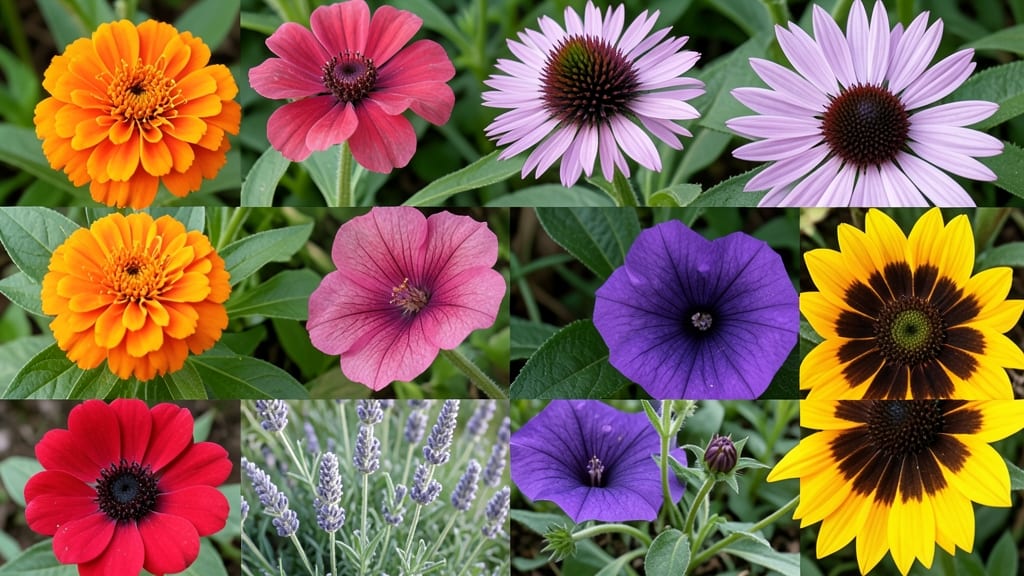
If your garden feels like a blank canvas waiting for inspiration, different types of flowers are your paint palette—each stroke adding depth, color, and life to your outdoor space.
The right mix can transform a simple yard into a seasonal masterpiece, where every bloom tells its own story and serves a purpose, from attracting pollinators to filling the air with fragrance.
I’ve spent years experimenting with flower combinations, and the key to a thriving garden isn’t just picking pretty petals—it’s understanding how they work together. Whether you’re dreaming of pastel spring blooms or bold autumn hues, the right flowers can create harmony year-round, with minimal effort.
Let’s explore how to curate a garden that’s as functional as it is beautiful.
From low-maintenance perennials that return year after year to annuals that burst with color in a single season, the options are endless. You’ll discover which flowers thrive in your climate, how to layer them for continuous blooms, and even how to use height and texture to create stunning visual effects.
Ready to turn your garden into a living work of art?
The best part? You don’t need a green thumb to pull it off. With the right seasonal color palettes and a few simple design tricks, anyone can create a garden that feels like a retreat—no matter the time of year. Let’s get started on your floral vision.
Seasonal flower types by color palette: annuals, perennials, and bulbs
Creating a vibrant garden starts with understanding how different flower types behave across seasons and color palettes. Each season offers unique color families—from soft spring pastels to bold summer hues—that transform your outdoor space.
By selecting the right mix of annuals, perennials, and bulbs, you can ensure continuous blooms year-round.
Annuals like petunias and marigolds provide instant color but require replanting yearly, while perennials such as coneflowers and black-eyed Susans return every season with minimal effort. Spring bulbs like tulips and daffodils deliver early-season drama, while fall bulbs like crocuses extend the season.
Let’s explore how to pair these for a cohesive, ever-changing garden.
For spring gardens, focus on pastel-colored bulbs like hyacinths and crocuses, which thrive in cooler temperatures. These early bloomers create a soft, romantic atmosphere and pair beautifully with annual pansies for extended color.
Plant bulbs in well-draining soil and ensure they receive at least 4-6 hours of sunlight daily.
Summer is all about bold, vibrant colors. Annuals like sunflowers and lantana dominate with their sunshine-yellow and coral hues, while perennials such as black-eyed Susans and bee balm attract pollinators. These heat-loving plants need full sun exposure and consistent watering to thrive during dry spells.
As temperatures drop, fall gardens shift to deep, earthy tones. Chrysanthemums and asters offer burgundy and golden-yellow blooms, perfect for adding warmth before winter. Pair them with sedum for drought-resistant structure. These plants prefer partial sun and well-draining soil to prevent rot.
Winter gardens may seem limited, but evergreen foliage and late-blooming perennials like hellebores bring life to the landscape. These shade-tolerant plants thrive in partial shade and moist, rich soil. Their soft whites and purples create a serene, elegant look that contrasts beautifully with snow.
To create a year-round color palette, layer
Top 10 flower varieties for low-maintenance garden design
Creating a stunning garden shouldn’t mean endless work. The key is choosing drought-tolerant flowers that thrive with minimal care while delivering bold colors and textures. I’ve curated a list of my favorite low-maintenance varieties that fit seamlessly into any design, from sunny borders to shady corners.
These top 10 flowers are organized by sunlight needs and height zones, making it easy to visualize how they’ll layer in your space. Whether you’re filling gaps in your perennial beds or adding height to a container garden, these picks will keep your garden looking effortless all season long.
🌸 Numbered Highlights: Easy-Care Flowers by Sun & Height
- 1. Creeping Thyme – Ground Cover (Sun) | Fragrant foliage, drought-proof, attracts pollinators
- 2. Black-Eyed Susan – Mid-Height (Sun) | Golden blooms, thrives in poor soil, blooms summer-fall
- 3. Lavender – Vertical Accent (Sun) | Purple spikes, deer-resistant, calming scent
- 4. Coral Bells (Heuchera) – Ground Cover (Partial Shade) | Colorful leaves, evergreen, zero deadheading
- 5. Russian Sage – Mid-Height (Sun) | Blue-purple blooms, drought-tolerant, long bloom season
- 6. Hostas – Ground Cover (Shade) | Lush foliage, low-maintenance, deer-resistant
- 7. Coneflowers – Mid-Height (Sun) | Pink/purple daisy-like, attracts butterflies, thrives in heat
- 8. Sweet Alyssum – Spiller (Sun/Partial Shade) | Tiny white/purple blooms, edible, self-seeds easily
- 9. Daylilies – Mid-Height (Sun/Partial Shade) | Vibrant colors, reblooms, pest-resistant
- 10. Sedum (Stonecrop) – Vertical/Spiller (Sun) | Succulent-like, drought-proof, winter interest
For sunny gardens, I love pairing Black-Eyed Susans with Russian Sage to create a wildflower-meets-formal look. Both are drought-tolerant and require zero deadheading, saving you time while keeping color vibrant.
In shadier spots, Coral Bells and Hostas provide year-round interest with their foliage colors. These perennials multiply over time, filling gaps naturally without extra effort from you.
Don’t overlook vertical accents like Lavender and Sedum—they add drama while requiring minimal pruning. Place them near pathways or patios to create fragrant focal points that reward you with scent and beauty.
Pro tip: Group flowers by water needs to simplify care. For example, Creeping Thyme and Sedum thrive on neglect, while Sweet Alyssum prefers consistent moisture. This zoning keeps your garden low-stress and high-impact.