
Light Requirements
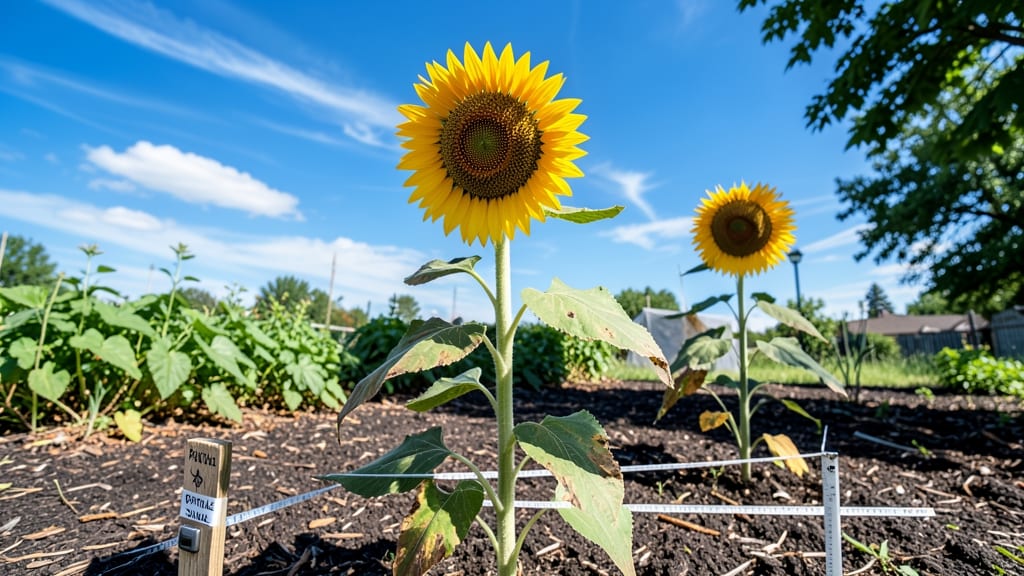
Sunflowers need direct sunlight more than most garden plants—and skimp on their light, and you’ll end up with weak stems and sad blooms instead of those towering 🌻 giants you love.
The truth is, these cheerful giants thrive best with 6-8+ hours of full sun daily, but what happens when your garden doesn’t get enough? Let’s break down exactly how sunlight shapes their growth and what to do if your sunflowers aren’t getting the light they crave.
Picture this: a sunflower stretching toward the sky, soaking up every ray like a solar panel. That’s because they’re powerhouses—direct sunlight fuels their rapid growth and vibrant blooms. Without enough light, they’ll grow leggy, produce fewer flowers, or even fail to set seeds.
But here’s the good news: even if your garden isn’t a sunbathing paradise, there are ways to give them the best shot at success.
In USDA Zone 6a, where spring planting kicks off in April, positioning matters. South-facing spots get the most sun, but east or west exposures can work too—just be ready to adjust as the seasons shift.
If you’re dealing with partial shade, we’ll cover the best sunflower varieties that tolerate less light and how to spot signs your plants are struggling.
Ready to grow sunflowers that reach for the sky? I’ll walk you through the science behind their light needs, practical fixes for shady spots, and even how to tell if your plants are getting enough sun. Let’s make sure your 🌻 stars shine bright all season long.

How much sunlight do sunflowers Really Need for Optimal Growth?
Sunflowers are famous for their bright faces that follow the sun, but how much sunlight do they truly need? While most gardeners assume they require full sun, the reality is more nuanced.
Sunflowers thrive with 6 to 8 hours of direct sunlight daily, but some varieties can tolerate less—if you know which ones and how to support them. Understanding their energy needs helps you grow stronger stems and bigger blooms, even in less-than-ideal conditions.
The secret lies in photosynthesis. Sunflowers are C3 plants, meaning they rely heavily on sunlight to convert carbon dioxide into energy. Without enough light, their growth slows, stems weaken, and flowers become smaller or fail to open.
But here’s the good news: not all sunflowers have the same requirements. Dwarf varieties and certain hybrids can adapt better to partial shade, making them perfect for smaller gardens or urban spaces.
Let’s break down the sunlight needs by variety and growth stage. From seedlings to mature plants, their light requirements shift. For example, young sunflowers need bright light to prevent etiolation—those stretched, weak stems that happen when they reach for the sun.
Once established, most sunflowers still crave full sun, but some can handle 4 to 6 hours of direct light if given the right care.
| Variety Type | Minimum Sunlight | Ideal Sunlight | Shade Tolerance | Best For |
|---|---|---|---|---|
| Standard (e.g., 'Mammoth') | 6+ hours | 8+ hours | Low | Full-sun gardens |
| Dwarf (e.g., 'Teddy Bear') | 4 hours | 6 hours | Moderate | Containers, patios |
| Semi-Dwarf (e.g., 'Autumn Beauty') | 5 hours | 7 hours | Moderate-High | Partial shade gardens |
| Fast-Growing (e.g., 'ProCut') | 5 hours | 6-7 hours | Moderate | Short seasons |
If you’re growing sunflowers in partial shade, focus on positioning. Place them in the sunniest spot available, even if it’s only a few hours a day. South-facing windows or areas near tall structures that cast afternoon shade can work, provided they get morning sun.
For example, in my garden, I planted 'Teddy Bear' sunflowers near a fence that blocks afternoon light, and they still reached 3 feet tall with proper care.
Another trick is to rotate containers throughout the day to maximize light exposure. Sunflowers grown in pots can be moved to follow the sun’s arc, giving them more energy than they’d get in a fixed spot.
This works especially well for dwarf varieties, which are more adaptable to changing light conditions. Just ensure they get at least 4 hours of direct sunlight to avoid leggy growth.
Soil health plays a role too. Sunflowers in nutrient-rich, well-draining soil grow stronger and can handle slightly less sunlight than those in poor soil. Adding compost before planting boosts their resilience.
I’ve seen sunflowers in partial shade grow twice as tall when planted in amended soil compared to the same variety in unfertilized ground. The extra nutrients help them compensate for lower light levels.
Climate matters too. In cooler regions, sunflowers may need more sunlight to stay warm and grow. Conversely, in hot climates, afternoon shade can protect them from wilting.
For instance, in USDA Zone 8, I’ve had success growing sunflowers with 5 hours of morning sun and afternoon shade, while the same variety in Zone 5 struggled unless given full sun.
Watch for signs of light deprivation, like pale leaves or stems that lean toward the light. These are red flags that your sunflowers need more sun. If you notice them, consider transplanting to a sunnier spot or supplementing with a grow light for seedlings.
Even a few extra hours of light can make a difference in their growth rate and flower size.
For the best results, aim for full sun exposure when possible. But don’t let limited sunlight discourage you—with the right variety and care, sunflowers can still thrive and brighten up your garden, even in partial shade. 🌻
What happens when sunflowers don’t get enough direct sunlight?
Sunflowers are sun-worshippers at heart, and when they don’t get enough light, their growth patterns change dramatically. Without 6-8+ hours of direct sunlight daily, you’ll notice weak stems that struggle to support their own weight, leading to bending or breaking—especially in windy conditions.
This is because sunlight triggers photosynthesis, which fuels their rapid vertical growth and sturdy structure.
The flower heads themselves become the biggest giveaway. Instead of those bright, cheerful blooms you love, sunflowers in low light produce smaller, fewer flowers with duller petals.
In extreme cases, they might not bloom at all, leaving you with just leafy stalks that look more like overgrown weeds than the iconic 🌻 giants you planted.
Here’s the kicker: seed production suffers too. Sunflowers need ample sunlight to develop healthy seeds. Without it, the seeds that do form are often smaller, lighter, and less viable. This means fewer seeds for next year’s garden—or even no seeds at all in severe shade conditions.
⚠️ Warning Signs of Sunlight Deprivation
Leggy stems reaching toward any available light source (even windows or nearby trees).
Yellowing leaves at the base of the plant, signaling chlorosis (lack of chlorophyll).
No flower buds forming, or buds that fall off prematurely.
Stems that flop or lean excessively, unable to support their own height.
Slow or stunted growth—sunflowers should shoot up 2-3 inches per day in ideal conditions.
But don’t despair if your garden is shady! Some dwarf sunflower varieties (like 'Teddy Bear' or 'Moulin Rouge') tolerate partial shade better than their towering cousins. These varieties can thrive with 4-6 hours of sunlight and still produce compact, colorful blooms.
Even in less-than-ideal conditions, they’ll give you better results than standard varieties struggling in deep shade.
If you’re dealing with partial shade, try positioning your sunflowers in the sunniest spot available, even if it’s just a few hours of morning or afternoon sun. Reflective surfaces like white walls or mulch can also bounce extra light onto your plants.
For container growers, place pots on a south-facing porch or balcony to maximize exposure.
Pro tip: Monitor your sunflowers’ growth weekly. If you spot leggy stems or pale leaves early, you can still prune side shoots to encourage a stronger central stem and redirect energy toward flower production.
With a little extra care, even shade-loving sunflowers can put on a surprisingly cheerful show.