
Plants
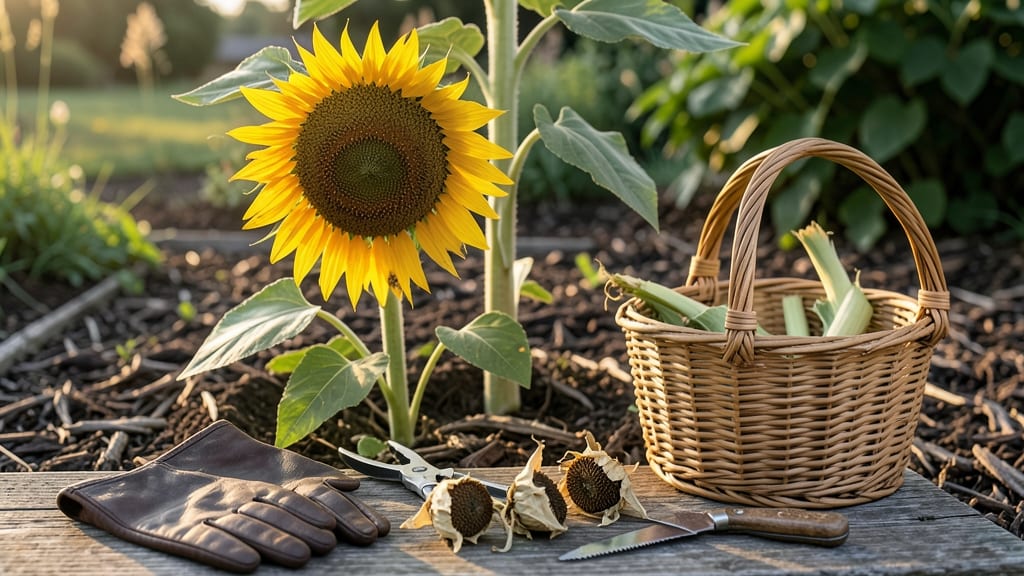
The exact timing for harvesting sunflower seeds to ensure maximum yield
Harvesting sunflower seeds at the wrong time can mean losing your entire crop to birds or scattered seeds. The key is watching for three critical maturity signs: petal color, seed head firmness, and the classic "rattle test."
These indicators tell you exactly when to act—usually between 80 to 120 days after planting, depending on your variety.
Climate plays a huge role in timing. In hot, dry regions, sunflowers mature faster—sometimes in as few as 60 days—while cooler climates may take up to 120 days. Pay close attention to your local frost dates, as early frosts can ruin seed viability before harvest.
My personal rule? Always harvest before the first frost hits, even if seeds aren't fully dry.
Here’s the visual checklist I use to track maturity—it’s saved me from multiple wasted harvests:
The rattle test is my foolproof method: Gently shake the seed head over a paper bag. If seeds sound dry and fall out easily, they’re ready. If they’re still green or mushy, wait 3-5 more days.
Pro tip: Harvest on a dry, sunny morning to reduce moisture in the seeds during drying.
Birds are the #1 enemy of sunflower seeds. Once the seed head turns brown and splits open, cardinals and sparrows will strip your crop in hours. I’ve lost entire rows to them—literally overnight.
To prevent this, cover heads with breathable mesh bags (like onion bags) once they’re mature but before they split. This keeps birds out while letting seeds dry naturally.
Moisture content is critical for storage. Seeds should have less than 10% moisture to prevent mold. Test this by cracking open a seed: if it feels dry and crumbly inside, it’s ready.
If it’s still damp, hang the head upside down in a dry, dark place (like a garage) for another 1-2 weeks. I’ve dried seeds successfully in humid climates by using a dehumidifier nearby.
Climate zones affect timing dramatically. In Zone 9 or 10, where summers are long and hot, sunflowers may mature in just 60-70 days. But in Zones 3-5, where summers are shorter, you might only get 80-90 days before frost.
Always check your local frost-free days and adjust your planting schedule accordingly. My 2022 lesson: Planting too late in Zone 5 meant my seeds never matured before the first frost!
One mistake I see often is waiting until the seed head is completely brown and dry before harvesting. By then, seeds have often scattered or sprouted in the head. The ideal time is when the back of the petals turns yellow-brown and the seed head is plump and firm.
Cut the stem 2-3 inches below the head and hang it upside down in a well-ventilated area.
For large batches, I recommend harvesting in stages. Pick the earliest-maturing heads first, then move to later ones every 3-5 days. This spreads out your workload and ensures you don’t miss the window on later plants.
Store harvested heads in a cool, dry place (like a basement) until you’re ready to process the seeds.
Remember: The goal is maximum yield and viability. If you harvest too early, seeds won’t store well; too late, and you’ll lose them to birds or weather. With practice, you’ll develop an eye for the perfect moment—just like I did after my first few trial-and-error harvests! 🌻
Step-by-step sunflower harvesting techniques for home gardeners
Harvesting sunflowers at the right time ensures you get the highest seed yield and best germination rates for next year. The key is patience—waiting until the seed heads are fully mature but before birds or wind scatter the seeds.
I’ve learned the hard way that harvesting too early means immature seeds, while waiting too long risks losing your hard-earned crop to wildlife or storms.
Once your sunflowers show clear maturity signs, like brown petals and dry seed heads, it’s time to act. But how you harvest makes all the difference. Cutting stems properly preserves seed quality, while drying techniques determine whether your seeds stay viable.
Let’s break it down into simple, foolproof steps to maximize your harvest without stress.
How to Harvest Sunflower Seeds
- 1 Wait for full maturity: Harvest when back petals turn yellow and seed head feels dry. Shake gently—seeds should rattle inside.
- 2 Cut stems at the base: Use clean pruners or shears to avoid damaging the plant. Leave 2-3 inches of stem attached to the head for easier handling.
- 3 Hang heads upside down: Suspend heads in a dry, well-ventilated area (like a garage or shed) for 2-4 weeks to fully dry. Avoid direct sunlight to prevent mold.
- 4 Remove seeds from heads: Once completely dry, rub the head between your hands or use a fork to pry out seeds. Discard chaff and damaged seeds.
- 5 Store seeds properly: Keep seeds in a cool, dry place (like a paper bag or jar) with a desiccant packet to prevent moisture buildup.
One common mistake I see is harvesting sunflowers too early—just because the petals are brown doesn’t mean the seeds are ready. Test maturity by shaking the head: if seeds don’t rattle, wait another week.
Another pitfall is drying heads too quickly, which can lead to moldy seeds. Always prioritize slow, even drying in a well-ventilated space.
If you’re short on space, you can dry sunflower heads indoors using a fan on low to circulate air. Just place them on a towel-lined tray away from direct heat.
For outdoor drying, choose a spot with partial shade and good airflow, like under a porch or in a mesh bag hung from a tree branch.
After harvesting, label your seeds with the variety and harvest date. Store them in a cool, dark place (like a seed vault or refrigerator) to maintain viability. With proper care, sunflower seeds can stay good for up to 5 years, though germination rates drop after the first year.
Don’t forget to save a few heads for decorative purposes—dried sunflower heads make stunning centerpieces! Just remove the seeds first and let the heads dry completely before arranging. Happy harvesting! 🌻