
Flowers
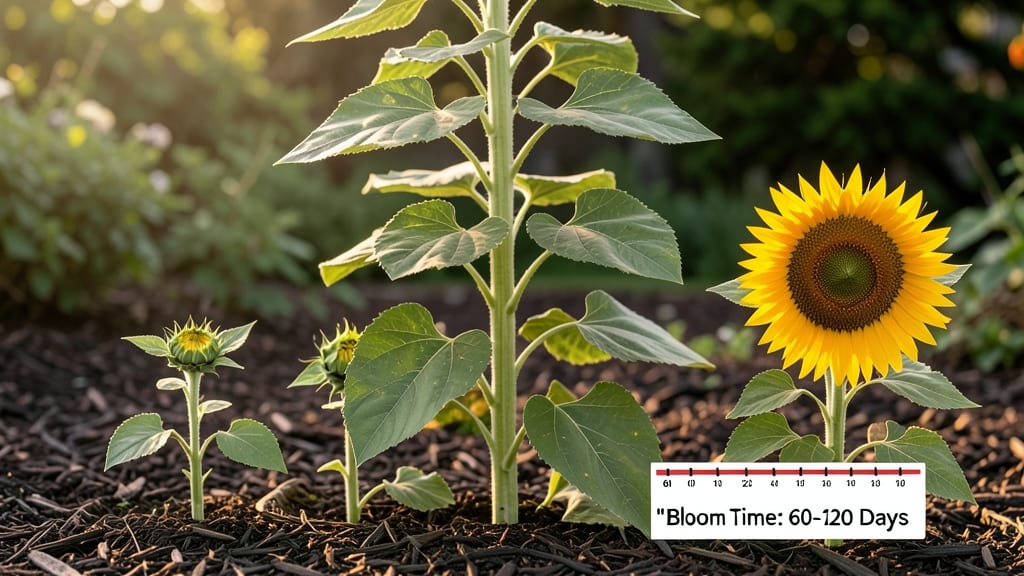
If you’ve ever planted sunflower seeds with big dreams of 🌻 towering blooms, you’ve probably wondered: How long do sunflowers actually take to bloom? The answer isn’t one-size-fits-all—some varieties pop up in as little as 50 days, while others take nearly 120 days to reach their full glory.
That’s because sunflowers are like the divas of the garden: their bloom time depends on the type you’re growing, when you plant them, and even your local climate.
A quick-growing dwarf variety might reward you with cheerful faces in early summer, while a massive Mammoth sunflower could keep you waiting until late August. The right timing and care can shave weeks off that wait—or extend it if you’re aiming for a specific season.
In this guide, I’ll break down the exact bloom timelines for popular sunflower varieties, plus the simple tricks to speed up (or delay) those vibrant blooms.
Whether you’re planning a summer display or just curious about your garden’s progress, you’ll know exactly what to expect—and when to start celebrating those golden faces.
Ready to turn your sunflower patch into a showstopper? Let’s dive into the numbers, the varieties, and the secrets to making your plants bloom faster than ever.
Sunflower bloom time by variety: fastest to slowest growing types
If you’ve ever wondered why some sunflowers bloom in record time while others take their sweet time, the answer lies in their genetics and growth habits.
Fast-growing varieties like Teddy Bear can burst into bloom in as little as 50 days, while towering Mammoth types may need 120 days to reach their full glory. The key difference? Height potential and seed production goals—taller varieties focus energy on stems, while dwarf types prioritize quick flowering.
For gardeners planning summer displays, knowing these timelines helps you time plantings for maximum impact. A ProCut variety (ready in 60 days) might be perfect for late-July harvests, while Sunrich (90 days) suits those aiming for early fall seed collection.
Let’s break down the fastest bloomers first, so you can strategize your garden layout for a sequential bloom show from summer through fall.
The comparison table below organizes popular varieties by bloom speed, height, and seed production. Use it to match your goals—whether you want cut flowers in 60 days, bird-friendly seeds, or giant statement plants for your backyard.
Notice how dwarf varieties like Teddy Bear prioritize speed over size, making them ideal for container gardens or early summer color. Meanwhile, Mammoth types invest their energy in stem growth, which is why they take nearly double the time to bloom.
This trade-off explains why your ProCut bouquets might be ready for the farmer’s market in 8 weeks, while your Mammoth centerpiece won’t be show-ready until late summer.
For seed production, varieties like Sunrich and Autumn Beauty are top performers, but their longer bloom times mean you’ll need to start seeds indoors 4–6 weeks before your last frost date. If you’re growing sunflowers for
How planting time affects bloom speed: spring vs. summer vs. fall
Timing matters more than you might think when growing sunflowers. Planting in late spring gives your sunflowers a head start, while summer sowings often struggle with heat stress and shorter growing seasons. Even fall plantings can work—if you live in warmer USDA zones 8–10.
The key is understanding how day length and temperature influence bloom speed, especially for varieties that need 60–90 days to reach their full glory.
Sunflowers are photoperiod-sensitive, meaning they respond to daylight hours. In northern climates (zones 3–6), planting in May or early June ensures they bloom before frost hits. But in southern zones (7–10), you can push fall plantings into September or October for late-season color.
The difference? Up to 30 days faster blooming with the right timing.
🌻 How Planting Time Affects Sunflower Bloom Speed
- Late Spring (May–June): Fastest blooms (50–70 days). Ideal for USDA zones 3–7—seeds germinate in warm soil without summer heat stress.
- Summer (July–August): Slower blooms (70–90+ days). Risk of bolting or stunted growth in extreme heat (above 90°F).
- Fall (September–October): Extended season in zones 8–10. Plant 6–8 weeks before first frost for blooms before winter.
- Day-Length Impact: Short-day varieties (e.g., 'Autumn Beauty') bloom faster in fall when days shorten.
- Frost Sensitivity: Tender seedlings need soil temps above 55°F to avoid rot. Wait until after last frost in cold zones.
In USDA zone 5, for example, planting 'Mammoth' sunflowers on May 15th typically yields blooms by late July. But if you sow the same seeds on July 1st, they may not bloom until September or October, cutting your viewing window short.
The solution? Use succession planting—sow a second batch in early June for staggered blooms.
For fall plantings, focus on heat-tolerant varieties like 'ProCut' or 'Autumn Beauty'. These handle cooler nights better and can bloom in 60–80 days even when planted in September. Just avoid sowing too late—seeds need 4–6 weeks to germinate before frost arrives.
In zone 9, I’ve seen 'Teddy Bear' sunflowers planted in late August still bloom by November!
Regional adjustments are critical. In zone 3, stick to early May plantings—any later risks shortened daylight slowing growth. Meanwhile, in zone 10, you can plant year-round (except winter) and enjoy blooms in every season.
The trick? Monitor soil moisture and pest pressure, which spike in summer heat.
Pro tip: Use black plastic mulch in summer to warm soil and speed germination by 5–7 days. For fall, add a light row cover to protect seedlings from early frosts while still allowing sunlight.
Small tweaks like these can shave weeks off your wait time—and give you longer enjoyment of those golden faces.