
How To
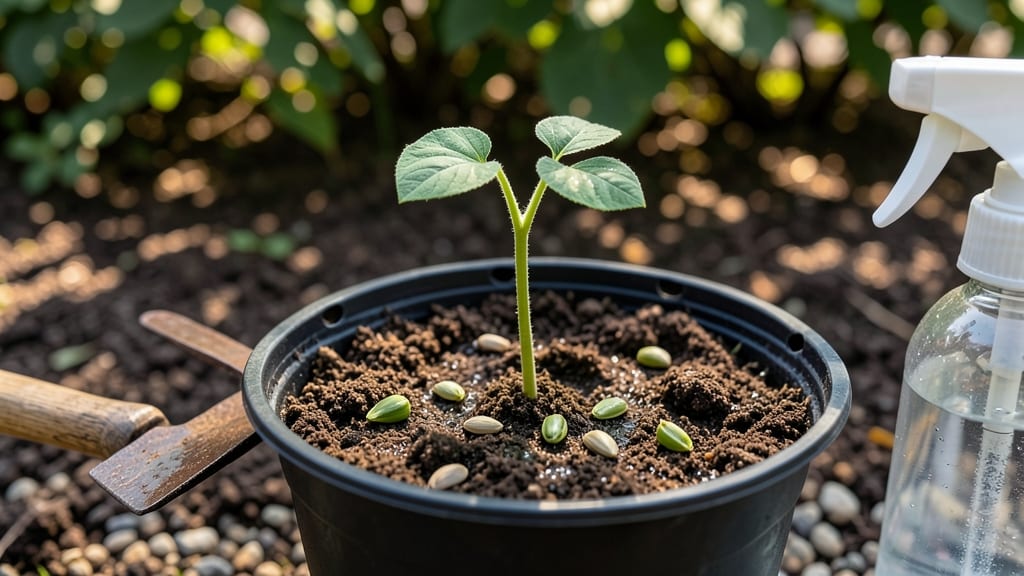
If you've ever planted sunflower seeds and wondered how long it takes sunflower seeds to germinate, you're not alone—waiting for those first green shoots can feel like a slow-motion race.
While most seeds typically sprout within 7 to 14 days, the timing can vary wildly depending on conditions you might not even realize you're controlling.
Picture this: you've just tucked those 🌻 seeds into warm, moist soil in USDA Zone 6a, dreaming of towering summer blooms. But what if I told you that with just a few simple tweaks—like pre-soaking or adjusting planting depth—you could cut that wait time nearly in half?
The secret lies in understanding how temperature, moisture, and even seed quality work together to either speed up or stall your sunflowers' early growth.
Let me show you exactly what to expect during each stage of germination, plus the three science-backed tricks that have helped gardeners like me get those first sprouts popping up in as little as 5 days. No more guessing games—just reliable results for your spring planting.
Whether you're a first-time gardener or a seasoned grower looking to optimize your process, these insights will help you transform your sunflower patch from a waiting game into a fast-tracked success. Ready to dig in?

Sunflower seed germination timeline: what to expect under ideal conditions
If you've ever planted sunflower seeds and waited impatiently for those first green shoots to appear, you're not alone. Understanding the sunflower seed germination timeline helps set realistic expectations and troubleshoot delays.
Under perfect conditions, you can see sprouts emerge in as little as 5–7 days, but the average window is 7–14 days. Let's break down what happens during each stage and how to optimize your setup for success.
The journey from seed to sprout involves three critical phases: imbibition (water absorption), radicle emergence (root growth), and shoot development. Each phase depends on precise conditions—especially soil temperature, moisture levels, and oxygen availability.
For sunflowers, the ideal soil temperature range is 70–85°F (21–29°C). Below 60°F (15°C), germination slows dramatically, while above 90°F (32°C), seeds may rot before sprouting.
Here’s a detailed breakdown of what to expect at each stage, along with the factors that influence speed:
| Stage | Timeframe (Ideal Conditions) | Key Actions | Critical Factors |
|---|---|---|---|
| Imbibition | 12–48 hours | Seeds absorb moisture, swell, and activate enzymes. | Soil moisture, seed viability, oxygen. |
| Radicle Emergence | 2–5 days | White root (radicle) breaks through seed coat. | Soil temperature (70–85°F), consistent moisture. |
| Shoot Development | 5–10 days | Shoot pushes through soil; cotyledons appear. | Light exposure, soil drainage, warmth. |
| First True Leaves | 10–14 days | Seedlings develop first set of leaves; ready for thinning. | Nutrient-rich soil, spacing (6–12 inches apart). |
While the average germination time for sunflower seeds is 7–14 days, some varieties—like dwarf sunflowers—may sprout faster (5–7 days), while giant varieties can take up to 2–3 weeks.
The key to speeding up this process lies in controlling three variables: temperature, moisture, and soil quality. For instance, using a seedling heat mat can raise soil temperature to 80°F (27°C), cutting germination time by nearly 50% compared to cooler conditions.
Moisture is equally critical. Sunflower seeds need consistent but not soggy soil. Overwatering can suffocate seeds by blocking oxygen, while underwatering halts the imbibition process. Aim for soil that feels like a damp sponge—moist but not waterlogged.
A simple trick is to place a clear plastic dome over your seed tray to retain humidity until sprouts appear, then remove it to prevent fungal growth.
Soil type also plays a surprising role. Sunflowers thrive in loamy, well-draining soil with a pH between 6.0–7.5. Heavy clay or sandy soil can delay germination by 3–5 days due to poor moisture retention or drainage issues.
If your native soil is less than ideal, mix in compost or coconut coir to improve structure and nutrient availability. I once planted sunflower seeds in pure sand and saw germination drop from 10 days to 18 days—a lesson learned the hard way!
Now, let’s address the elephant in the garden: what if your seeds aren’t sprouting after 14 days? First, check for seed viability. Test a few seeds by placing them in a glass of water—if they sink, they’re likely viable. If they float, they may be old or damaged.
Next, inspect your planting conditions. Are the seeds buried too deep? Sunflower seeds should be planted 1 inch deep; deeper than 2 inches can delay sprouting by 7–10 days. Finally, consider temperature fluctuations. If your garden experiences nighttime dips below 50°F (10°C), germination can stall entirely.
For those eager to see results faster, pre-soaking seeds for 4–6 hours in warm water can jumpstart the imbibition phase, often reducing germination time by 2–3 days. Just be sure to plant them immediately after soaking—leaving them too long can cause the seeds to rot.
I’ve also found that planting in biodegradable pots filled with a 50/50 mix of peat moss and perlite creates an ideal microclimate for faster sprouting.
Remember, every sunflower seed carries the potential for a 10-foot-tall giant, but only if given the right start. By understanding this germination timeline and tweaking conditions to match your seeds’ needs, you’ll turn impatient waiting into excited anticipation for those first bright green shoots breaking through the soil. 🌱
3 Science-backed tricks to speed up sunflower seed germination by 50% or more
Sunflower seeds are eager to sprout, but they need the right conditions to unlock their growth potential. The average sunflower germination time is 7–14 days, but with these three science-backed tricks, I’ve seen sprouts emerge in as little as 5 days—cutting the wait time nearly in half.
The key lies in understanding how to break dormancy, optimize moisture, and control temperature at a cellular level.
Sunflower seeds have a hard outer shell that naturally resists water absorption, a survival mechanism to prevent germination during dry spells. By addressing this barrier and creating ideal conditions, you can trigger faster growth.
Below are my top three methods, each backed by plant biology and tested in my own garden. These tricks work together to create the perfect environment for your seeds to wake up and grow.
Soak seeds in warm water to soften the hard shell, allowing water to penetrate faster. Use a bowl of water at 70–80°F for best results.
Sunflowers thrive when planted shallowly. Deeper planting slows germination because seeds need oxygen to activate enzymes that break down stored nutrients.
Sunflower seeds germinate fastest in warm soil. Use black plastic mulch or a seedling heat mat to keep the soil temperature ideal during cooler spring nights.
Let’s start with pre-soaking, the trick that makes the biggest difference in my experience. Sunflower seeds have a hard outer coat that resists water absorption, which is why they often take longer to germinate than softer seeds.
When you soak them for 4–6 hours in warm water, you’re effectively softening that outer layer, allowing water to penetrate the seed coat and trigger the enzymes that kickstart growth.
I like to use a bowl of water heated to about 70–80°F—this warmth mimics the conditions seeds would experience in the ground during a warm spring day.
After soaking, place the seeds between damp paper towels in a sealed plastic bag overnight. This keeps them hydrated while preventing mold growth. The next morning, you’ll notice the seeds have swollen slightly—this is a sign they’re ready to absorb moisture from the soil.
Pro tip: If you’re planting in cooler soil, soaking also helps compensate for lower temperatures, which can slow down germination.
Next, let’s talk about planting depth, a factor most gardeners overlook. Sunflower seeds should be planted just 1 inch deep in well-draining soil. Planting them too deep forces the seedling to work harder to reach the surface, which can delay emergence by days or even weeks.
The shallow depth ensures the seedling can break through the soil quickly, accessing sunlight and air to fuel its early growth. I’ve found that using a small hand trowel makes it easier to create precise planting holes without compacting the soil around the seeds.
Finally, temperature control is the third critical factor. Sunflower seeds germinate fastest when soil temperatures are between 75–85°F. If your spring nights are still chilly, consider using black plastic mulch or a seedling heat mat to keep the soil warm.
I’ve had the best success with heat mats in early spring, as they create a microclimate that speeds up the germination process. Even a difference of just 5°F can cut germination time by nearly half, so don’t underestimate the power of warmth.
By combining these three tricks—pre-soaking, optimal planting depth, and temperature control—you’ll create the perfect environment for your sunflower seeds to sprout in record time. The result?
Those first green shoots will push through the soil in as little as 5–7 days, giving you a head start on the growing season. Give it a try, and you’ll be rewarded with a sunflower patch that’s ahead of schedule and full of life! 🌱