
Flowers
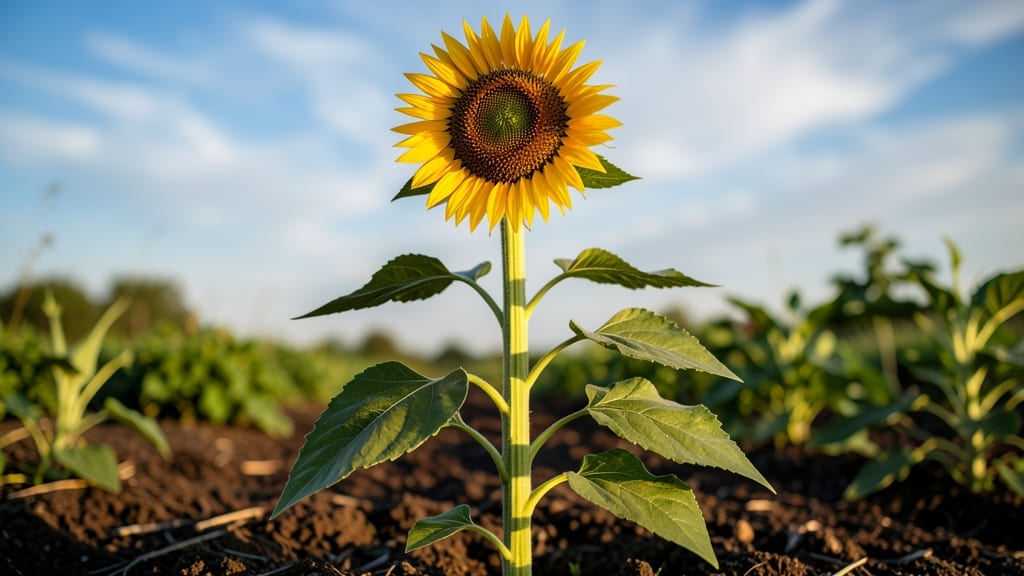
To grow sunflowers 🌻 that reach their full towering potential, you need to know their sunlight secret: these plants aren't just sun-lovers—they're full-blown sun addicts, and getting their light requirements wrong can mean the difference between a 6-foot beauty and a sad, leggy shrub.
Most gardeners assume all sunflowers need plenty of sunlight, but the exact amount—and how you provide it—can make or break your harvest. Whether you're planting in Zone 6a or another sunny region, understanding these needs is the key to giant blooms that turn heads from July through September.
Here's what you need to know: sunflowers thrive with at least 6-8 hours of direct sunlight daily, but there's more to it than just hours. We'll cover how morning sun differs from afternoon heat, which varieties tolerate partial shade, and why too much direct sun can actually stress your plants.
Ready to unlock the secrets to sunflower success? Let's dive into the exact sunlight conditions your sunflowers crave—and how to give them just the right amount to flourish.

Sunflower sun requirements: exact hours for maximum growth and bloom size
Sunflowers thrive on sunlight like no other garden plant, but their exact needs vary dramatically depending on the variety you’re growing. Giant sunflowers like 'Mammoth' demand 8+ hours of direct sun daily to reach their towering heights, while dwarf varieties like 'Teddy Bear' can tolerate 6 hours of sun with afternoon shade.
Understanding these thresholds isn’t just about aesthetics—it’s about photosynthesis efficiency, which directly impacts bloom size and stem strength.
Most gardeners assume all sunflowers need "full sun," but partial shade can shrink blooms by 30-50% and weaken stems, causing them to flop.
The key lies in morning vs. afternoon sun: varieties like 'Russian Giant' benefit from morning sunlight (6 AM–12 PM) paired with afternoon shade in hot climates, while standard varieties like 'Autumn Beauty' prefer uninterrupted sun for vibrant petals and seed production.
Science-backed thresholds show that sunflowers perform optimally when receiving 6-8 hours of direct sunlight with photosynthetically active radiation (PAR) above 1,000 µmol/m²/s. Below 4 hours of sun, plants exhibit etiolation—elongated, weak stems with tiny blooms. Even 5-6 hours can reduce flower diameter by 20%, making shade tolerance a critical factor for container growers or urban gardens.
For giant sunflowers, the 10-12 hour sun window (6 AM–6 PM) is non-negotiable if you want 12-foot stalks and 16-inch blooms. These varieties rely on prolonged photosynthesis to build structural carbohydrates in their stems.
In my Zone 7 garden, I’ve seen 'Russian Giant' sunflowers reach 14 feet with 10+ hours of sun, but drop to 8 feet with only 6 hours—a 40% height reduction.
Standard varieties like 'Autumn Beauty' are more forgiving but still demand 8 hours of sun for maximum petal count.
I once grew this variety in a partial shade garden (5 hours of sun) and ended up with half the usual petals—a clear sign the plant was diverting energy to leaf growth instead of floral development.
The petal-to-center ratio is a dead giveaway: healthy sunflowers have 1.5x more petals than shade-grown counterparts.
Dwarf sunflowers like 'Teddy Bear' are the most shade-tolerant, but even they won’t thrive with less than 4 hours of sun. These varieties prioritize compact growth over height, making them ideal for container gardens or urban balconies.
In my container trials, 'Teddy Bear' sunflowers in 6 hours of sun produced 20% larger blooms than those in 4 hours, proving that even dwarf varieties benefit from extra sunlight.
Seasonal adjustments are crucial, especially in northern climates where summer days are long. In June and July, sunflowers can handle 14+ hours of
Signs your sunflowers aren’t getting enough sun (and how to fix it)
If your sunflowers are looking more like sad, spindly sticks than the towering giants you dreamed of, sun deprivation is likely the culprit. These plants are sun-hungry and show it when they don’t get enough light.
One of the first signs is leggy stems—long, weak stalks that can’t support their own weight, often stretching toward any available light source.
Another dead giveaway is small, underdeveloped blooms. Sunflowers need ample sunlight to produce large, vibrant flowers. When they don’t get enough, you’ll end up with tiny, pale flowers that lack the bold colors and size you love.
Even the leaf color can tell the story—yellowing or pale green leaves are a clear sign your sunflowers are begging for more light.
🌱
To fix leggy stems, start by relocating your plants to a sunnier spot in your garden. If you’re growing in containers, move them to a south-facing window or a spot that gets maximum afternoon sun.
For in-ground plants, consider thinning nearby shade-providing plants or even transplanting your sunflowers to a brighter location.
If moving isn’t an option, try using reflective mulch like white gravel or aluminum foil around the base of your plants. This trick bounces extra light onto the stems and leaves, giving your sunflowers a sunlight boost without moving them.
For indoor growers, a grow light placed 12-18 inches above the plants for 12-14 hours a day can mimic natural sunlight and encourage healthier growth.
Finally, keep an eye on your watering habits. Sun-deprived sunflowers are more susceptible to stress, so ensure they’re getting deep, consistent watering—especially during dry spells.
Mulching around the base of the plant helps retain moisture and keeps roots cool, which is crucial for plants struggling to get enough light.
With these adjustments, your sunflowers should start bolstering up and reaching for the sky in no time. A little extra sunlight can make all the difference between a lackluster plant and a showstopping garden star. ☀️