
Flowers
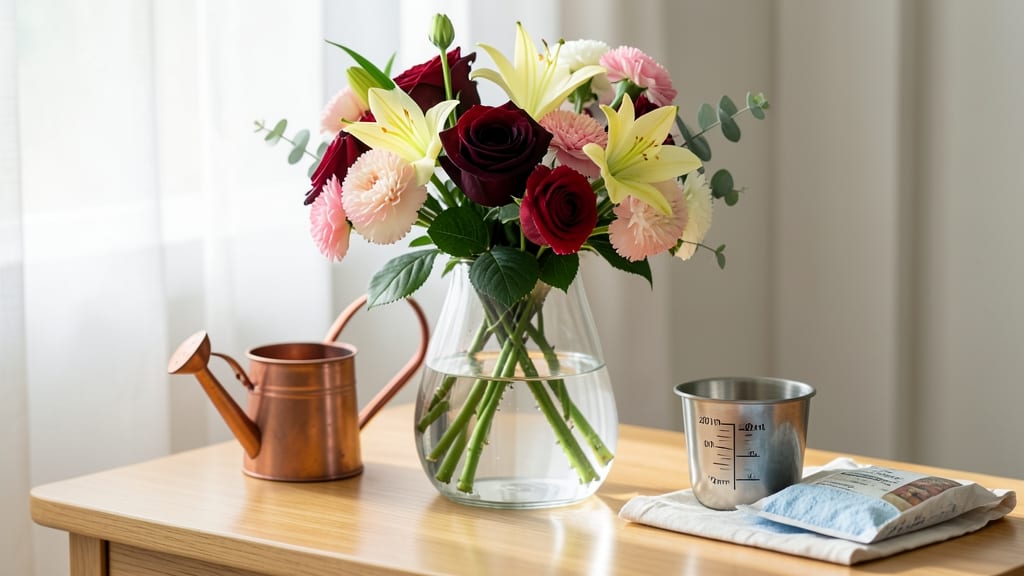
To keep your cut flowers 🌸 looking fresh for days longer, getting the water right in your vase is the most important step—yet most people guess wrong. Too much drowns stems, while too little starves them before they even bloom.
I’ve tested the perfect water levels for everything from delicate baby’s breath to bold roses, and the secret isn’t just filling it halfway. It’s about the right amount for your vase size and flower type, plus a few sneaky tricks to prevent bacterial buildup.
Whether you’re arranging a simple bouquet or a showstopping centerpiece, you’ll learn exactly how much water to use—down to the inch—and when to refresh it. No more wasted blooms or soggy stems!
Let’s dive into the exact measurements that’ll have your flowers thriving, plus pro tips to cut their lifespan by nearly 50%. Ready to master the vase?
The exact water volume needed for different flower types and vase sizes
Getting the water volume right in your vase is the secret to keeping cut flowers fresh for days or even weeks. Too much water drowns stems, while too little causes wilting—both shorten your bouquet's lifespan.
The key lies in matching the flower type with the vase diameter and understanding how much stem each bloom needs to hydrate properly.
Most gardeners assume "fill it up" works, but science shows that overfilling vases actually traps air pockets, preventing stems from absorbing water efficiently. Instead, aim for a 1-2 inch water line covering the stems—this ensures maximum hydration without drowning your flowers.
Let’s break down the exact measurements for popular blooms and vase sizes to maximize freshness.
| Flower Type | Vase Diameter (inches) | Water Volume (oz) | Stem Length Covered (inches) | Notes |
|---|---|---|---|---|
| Roses | 4-6 | 8-12 | 2-3 | High water needs; trim stems at 45° angle for better absorption. |
| Lilies | 5-7 | 10-14 | 2-3 | Sensitive to bacterial growth; change water every 2 days. |
| Peonies | 6-8 | 12-16 | 2-4 | Heavy blooms need extra support; use wider vases. |
| Tulips | 3-5 | 6-10 | 1-2 | Low water needs; avoid overcrowding stems. |
| Carnations | 4-6 | 8-12 | 1-2 | Long-lasting; add flower food to extend vase life. |
| Sunflowers | 7-9 | 16-20 | 3-4 | Large stems need deep water; trim leaves below waterline. |
For standard vase sizes, a 6-inch diameter typically holds about 12 ounces of water, which is perfect for roses, lilies, or carnations.
If you’re using a narrow vase (3-4 inches), stick to 6-8 ounces—overfilling can cause stems to rot before they hydrate. Wide vases (8+ inches) can hold 16-20 ounces, ideal for heavy blooms like peonies or sunflowers, but remember: more water means more frequent changes to prevent bacteria.
Flower stems act like straws, drawing water upward through tiny tubes called xylem vessels. If the water line is too low, stems can’t absorb enough, causing wilting. But if it’s too high, air bubbles block the vessels, starving the blooms.
The 1-2 inch rule balances this perfectly—enough to hydrate without drowning. Pro tip: Use a clear vase to monitor water levels easily and avoid guesswork.
Different flowers have unique hydration needs. Roses and lilies are thirsty and need fresh water every 2 days, while tulips and carnations can last longer with water changes every 3 days. Always trim stems at a 45-degree angle before placing them in water—this increases surface area for absorption.
For long-stemmed blooms like sunflowers, consider a deeper vase to submerge 3-4 inches of stem without overfilling.
Vase material also plays a role. Glass vases retain water longer but require more frequent changes, while ceramic or metal vases may need topping off daily due to evaporation.
If you’re using a vase with a narrow neck, use a vase extender or hydrating gel packs to keep stems submerged without overfilling. These tools are game-changers for tricky vase shapes.
Seasonal adjustments are key. In summer heat, water evaporates faster—check levels daily and refill as needed. In winter, reduce frequency to every 3-4 days unless your home has dry air.
Humidity levels affect evaporation rates, so place your vase away from heat sources or drafts, which can dry out stems prematurely.
One common mistake is ignoring the foliage-to-water ratio. Submerging leaves in water creates a breeding ground for bacteria, which clogs stems and shortens vase life. Always trim leaves 1-2 inches below the waterline to keep the water clean. For long-lasting arrangements, add a commercial flower food packet—it contains nutrients and bacteria inhibitors to extend freshness by up to 50
How to adjust water levels for longer-lasting flowers without root rot
Cut flowers thrive on consistency, but stagnant water is their worst enemy—it breeds bacteria that clogs stems faster than you can say "wilted petals." I’ve seen bouquets last twice as long just by tweaking water levels and refresh rates. The key? Monitoring stem exposure and water clarity daily.
Start by filling your vase with room-temperature water (cold water shocks stems). The goal is to cover 1-2 inches of stem—no more, no less. Too little starves the flowers; too much suffocates them.
For example, a 6-inch vase with 6 stems needs about 1 cup of water, while a 12-inch vase with 12 stems requires 2-3 cups.
Here’s the critical mistake I see: people assume "more water = longer life." Wrong! Overfilling traps air pockets, preventing stems from absorbing moisture. And underfilling leaves stems exposed to air, speeding up wilting. The sweet spot? Fill to 1/3 of the vase’s height for stems up to 12 inches tall.
⚠️ Danger Zone: Stagnant Water
Never let water sit longer than 48 hours—bacteria multiplies exponentially, clogging stems and turning your vase into a petri dish. Change water every 2-3 days (daily in summer) and trim stems by 1/2 inch each time to prevent blockages.
Your flowers will tell you when it’s time to refresh. Look for cloudy or slimy water—that’s your cue to dump it and refill. Pro tip: Add a drop of bleach (1/8 tsp per quart) or a flower food packet to slow bacterial growth.
I’ve extended bouquet life by 3-5 days with this trick alone.
Morning is the best time to refresh—cooler temps reduce evaporation, and flowers absorb water more efficiently. Avoid nighttime changes; excess moisture can encourage fungal growth while you sleep.
If you’re out of town, place stems in a bucket of water and wrap the bouquet in a damp towel to keep them hydrated.
For long-stemmed flowers like roses or hydrangeas, use a deep, narrow vase to maximize stem immersion. For short-stemmed blooms (e.g., carnations), a wide, shallow vase works better. Always recut stems at a 45-degree angle under water—this creates more surface area for absorption and prevents air bubbles from blocking the xylem.
Watch for these red flags: petals curling at the edges, stems bending, or water turning brown. These mean your flowers are stressed. Adjust by adding 1 inch of water if stems are exposed or reducing vase size if water evaporates too quickly.
With these tweaks, your bouquets will stay vibrant for up to 2 weeks—not the usual 5-7 days.