
Flowers
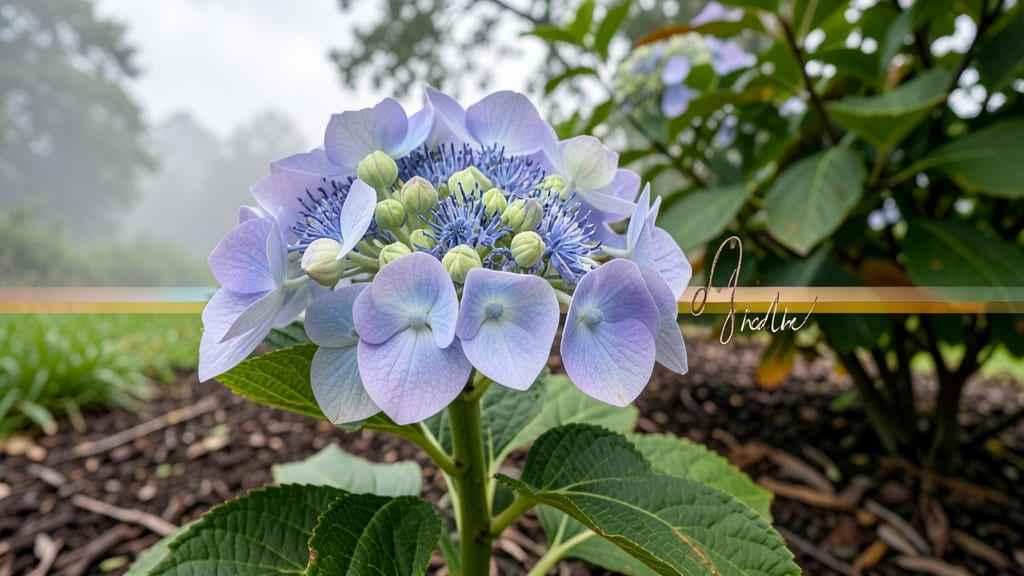
If your hydrangeas 🌸 bloom once and then disappear for months, you’re not alone—most gardeners assume these showstoppers flower just once a year. But here’s the truth: some varieties actually rebloom, while others need the right care to extend their seasonal display.
The key to understanding how often hydrangeas flower lies in their type—whether they’re old-wood bloomers (like bigleaf varieties) or new-wood bloomers (such as panicle hydrangeas).
Old-wood types set buds the previous year, so aggressive pruning can mean no flowers, while new-wood bloomers reward you with multiple bloom cycles if you prune correctly.
Factors like sunlight, soil nutrients, and even your pruning habits can turn a one-time summer show into a longer, more vibrant display. With the right approach, you can coax your hydrangeas to flower more frequently—without sacrificing their health or beauty.
Let’s break down what influences bloom frequency and how to give your hydrangeas the care they need to put on a repeat performance year after year.
Hydrangea flowering frequency by variety: annual vs. seasonal bloomers
Hydrangeas are prized for their stunning blooms, but not all varieties follow the same flowering schedule. Some produce flowers just once per year, while others can rebloom multiple times with the right care.
Understanding these differences helps you choose the perfect hydrangea for your garden and manage expectations for their bloom cycles.
The key to predicting hydrangea flowering lies in their growth habits. Old-wood bloomers set buds on the previous year’s growth and typically flower just once in late spring or summer. New-wood bloomers, on the other hand, produce flowers on current season’s growth and can rebloom if cared for properly.
Let’s break down the most popular types to see how often they flower.
| Variety | Bloom Type | Flowering Frequency | Pruning Time | Best For |
|---|---|---|---|---|
| Mophead (e.g., 'Endless Summer') | New-wood & Old-wood | Reblooms 2-3 times/year | Late winter/early spring | Containers, borders |
| Lacecap (e.g., 'Annabelle') | Old-wood | Once per year (summer) | After flowering | Cut flowers, cottage gardens |
| Oakleaf (e.g., 'Snow Queen') | Old-wood | Once per year (late summer) | After blooms fade | Shade gardens, fall color |
| Panicle (e.g., 'Limelight') | New-wood | Reblooms 1-2 times/year | Late winter/early spring | Dry gardens, hedges |
Mophead hydrangeas, like the popular 'Endless Summer' series, are the most forgiving for reblooming. These varieties can produce flowers twice a year if you prune them correctly in late winter or early spring. The secret is removing old wood while leaving some new growth to ensure both old and new buds form.
Lacecap hydrangeas, such as 'Annabelle', are classic old-wood bloomers. They set their flower buds in late summer or early fall, meaning they’ll only bloom once per year. Pruning these at the wrong time—like cutting back in late winter—can remove next year’s blooms entirely. Always wait until after they’ve finished flowering to prune.
If you love seasonal drama, oakleaf hydrangeas deliver with their stunning fall foliage and late-summer blooms. These varieties rely entirely on old wood, so avoid heavy pruning unless you’re happy with just leaves. Their unique oak-shaped foliage adds texture even when not in bloom.
Panicle hydrangeas, including 'Limelight' and 'Little Lime', are new-wood bloomers that thrive with regular pruning. They often produce flowers in early summer and can rebloom lightly later in the season. These varieties are drought-tolerant and perfect for hot, dry climates where other hydrangeas struggle.
To encourage more frequent blooming, focus on three key factors: proper pruning, balanced fertilization, and consistent moisture. For reblooming varieties, prune in late winter or early spring to remove dead wood and shape the plant.
Use a balanced fertilizer like 10-10-10 in early spring and mid-summer to support flower production.
Watering plays a crucial role too. Hydrangeas need consistent moisture, especially during bud formation. Mulching around the base helps retain soil moisture and regulates temperature. Avoid letting the soil dry out completely, as this can stress the plant and reduce flowering.
If your hydrangea isn’t flowering as expected, check its location. Most varieties prefer partial shade—about 4-6 hours of morning sun and afternoon shade. Too much direct sun can scorch leaves and reduce blooms, while too little light may limit flower production.
Adjust pruning and care based on your specific variety’s needs to keep your hydrangeas blooming beautifully year after year.
With the right variety and care, you can enjoy hydrangeas that flower multiple times per season or create a stunning display with single-season bloomers. Experiment to find what works best in your garden and enjoy the process of nurturing these versatile shrubs.
Why your hydrangeas aren’t flowering: common causes and fixes
Hydrangeas are famous for their showstopping blooms, but many gardeners struggle with irregular or sparse flowering. If your plants produce flowers just once a year—or skip blooming entirely—it’s often due to misunderstood care habits rather than poor-quality plants.
The good news? Most issues are fixable with simple adjustments to pruning, sunlight, and nutrients.
First, let’s address the biggest myth: hydrangeas don’t always flower annually. Some varieties, like panicle hydrangeas, can rebloom multiple times if given the right conditions. Others, such as bigleaf hydrangeas, rely on old-wood buds formed the previous year.
Pruning at the wrong time—or not at all—can leave your plant confused and skip flowering entirely.
Another common culprit is inadequate sunlight. While hydrangeas thrive in partial shade, they still need at least 4-6 hours of morning sun to set buds properly. Too little light weakens the plant, while hot afternoon sun can scorch leaves and stress the shrub, both of which reduce flowering.
⚠️ How Often Do Hydrangeas Flower?
Old-wood bloomers (e.g., bigleaf hydrangeas) typically flower once per year on stems from the previous season. New-wood bloomers (e.g., panicle hydrangeas) can rebloom 2-3 times per season if pruned correctly. Reblooming varieties may produce flowers in late spring, summer, and fall with proper care.
Key Takeaway: If your hydrangea flowers just once, it’s likely an old-wood type. For more frequent blooms, choose reblooming varieties or adjust care for your current plant.
Nutrient deficiencies also play a role. Hydrangeas are heavy feeders and need balanced fertilization (like a 10-10-10 NPK) every 6-8 weeks during growing season. A lack of phosphorus (the middle number) can stunt flower production, while over-fertilizing with nitrogen leads to lush foliage but fewer blooms.
Seasonal dormancy is another factor. Some hydrangeas, especially those in colder climates, need a period of rest in winter to set buds for the next year. If you’re in Zone 7 or warmer, your plant might not experience enough chill hours, leading to poor bud formation.
Mulching in fall and avoiding winter pruning can help.
To encourage more frequent blooms, start with correct pruning. For old-wood types, prune right after flowering to avoid cutting off next year’s buds. For new-wood types, prune in late winter or early spring to promote fresh growth.
Pair this with regular deadheading—removing spent blooms—to redirect energy into new flowers.
Finally, check your soil pH. Hydrangeas thrive in acidic soil (pH 5.5-6.2) for blue flowers or neutral soil (pH 6.5-7.0) for pink blooms. Test your soil and amend with sulfur or lime as needed.
A happy hydrangea with the right pH will reward you with healthier stems and more abundant blooms.