
Flowers
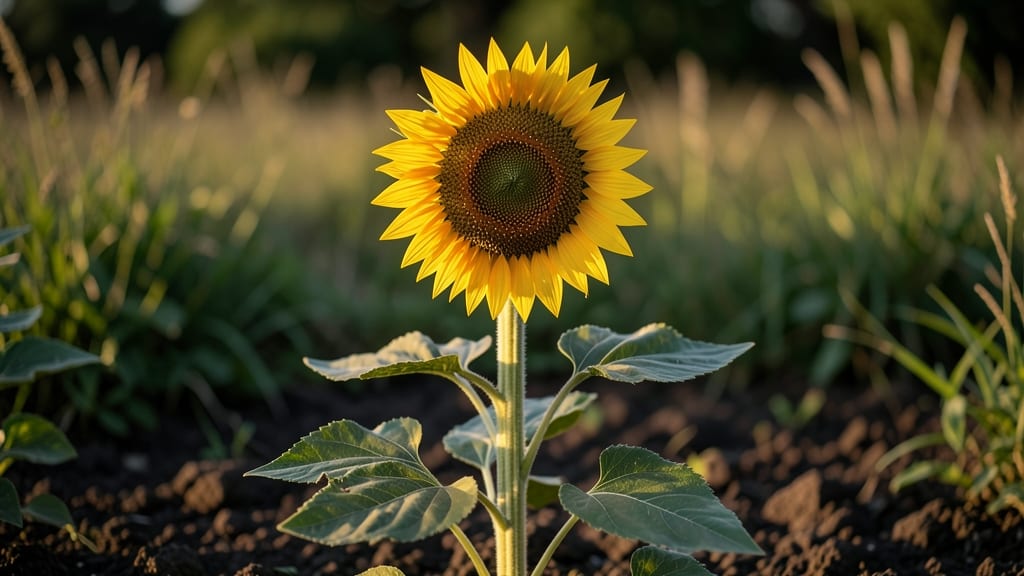
If you’ve ever planted a sunflower seed and watched it grow tall like a giant overnight, you know these plants don’t mess around with height.
Some varieties can reach taller than a basketball hoop, while others stay compact enough for containers—making them one of the most versatile flowers in your garden.
But how tall do sunflowers actually grow? The answer depends on the variety you choose, from dwarf types under 3 feet to towering giants that stretch toward the sky.
Whether you’re dreaming of a dramatic backyard centerpiece or a space-saving patio display, understanding these ranges is the key to planning your perfect sunflower garden.
In this guide, I’ll break down the height ranges of popular sunflower varieties, share the secrets to encouraging (or controlling) their growth, and help you avoid common mistakes that could leave your plants stunted. Ready to grow sunflowers that turn heads—and maybe even block your neighbor’s view?
Let’s dive into the world of sunflowers, where height isn’t just a number—it’s a game-changer for your garden’s design and success.

Sunflower height ranges by variety: from dwarf to giant
Sunflowers come in a stunning range of heights, from compact dwarf varieties perfect for containers to towering giants that reach skyscraper proportions. The height you'll see depends entirely on the cultivar you choose, as well as growing conditions.
For example, the 'Moulin Rouge' variety stays under 3 feet, while 'Russian Giant' sunflowers can stretch over 15 feet tall—making them the tallest sunflowers in the world!
Understanding these height ranges helps you plan your garden layout, choose the right location, and even decide whether to provide stakes or support for your sunflowers. Whether you're growing sunflowers for cut flowers, birdseed, or pollinator support, selecting the right height variety ensures your garden thrives.
Let's explore the three main height categories and their ideal growing conditions.
🌻 Pro Tip: Always check seed packets for height expectations, as some "giant" varieties may not reach their full potential in cooler climates or shorter growing seasons.
If you're growing dwarf varieties like 'Moulin Rouge', you'll love their compact growth habit and early blooming—perfect for small gardens or container growing. These sunflowers typically mature in 60-70 days and produce bright yellow blooms that attract pollinators like bees and butterflies.
For medium-height sunflowers (3-6 feet), varieties like 'Autumn Beauty' offer a balance between manageable size and stunning multi-colored petals. These are ideal for cut flower arrangements and thrive in well-drained soil with regular watering. They also make excellent backyard accents without overwhelming smaller spaces.
When it comes to tall sunflowers (6-16 feet), the real giants like 'Russian Giant' need space to stretch their legs. These varieties often require staking or support to prevent them from toppling over in windy conditions.
Plant them in open areas where they can reach their full potential, and consider adding trellises or cages for extra stability.
For giant sunflowers, your growing season matters—these varieties need at least 120 frost-free days to reach their maximum height. In cooler climates, you might see shorter heights (8-10 feet) compared to 12-16 feet in warmer regions.
Always choose a location with full sun exposure and rich, fertile soil to encourage maximum growth.
💡 Expert Tip: If you're growing sunflowers for birdseed, let the flower heads dry completely on the stem before harvesting. This ensures the seeds are fully mature and ready for birds to enjoy.
No matter which height range you choose, sunflow
Factors that influence sunflower height: soil, climate, and care
Sunflowers don’t grow to their full height potential by accident—they need the right conditions to stretch toward the sky. The soil quality, sunlight exposure, and even your watering habits play huge roles in how tall they’ll become.
For example, a Russian Giant sunflower can reach 16 feet with ideal care, while the same variety might stay under 10 feet in poor soil or partial shade.
Let’s start with the foundation: soil nutrients. Sunflowers thrive in well-draining, nutrient-rich soil with a pH between 6.0 and 7.5. If your soil is too heavy or lacking in phosphorus or potassium, your plants will focus energy on leafy growth instead of height.
Amending the soil with compost or a balanced fertilizer before planting can give your sunflowers the boost they need to reach their genetic height limits.
Here’s a key takeaway that sums up the critical factors:
How Tall Sunflowers Grow
Dwarf: 1-3 ft
Standard: 6-12 ft
Giant: 10-16 ft
6-8+ hours/day
Less sun = shorter
Stunted growth
Deep soak 2-3x/week
Overwatering = weak stems
Underwatering = stunted
Warm seasons
Cold stunts growth
Wind = lean stems
💡 Pro Tip: For maximum height, stake tall varieties early to prevent toppling.
Next up is sunlight exposure, which is non-negotiable for sunflowers. These plants are heliotropic, meaning they follow the sun’s movement to maximize energy absorption. If you’re growing sunflowers in partial shade, they’ll grow shorter and produce smaller blooms.
Aim for at least 6-8 hours of direct sunlight per day, and watch them reach for the sky like they’re competing in a growth contest.
Your watering practices also impact height, but it’s a delicate balance. Sunflowers need consistent moisture during their growth phase, especially when the flower buds form. However, overwatering can lead to weak stems that struggle to support the plant’s weight.
Water deeply 2-3 times per week, ensuring the soil is moist but not soggy. Mulching around the base helps retain moisture and keeps roots cool, which encourages steady upward growth.
Finally, don’t underestimate the power of pruning and support. If you’re growing tall varieties like Mammoth or Russian Giant, they may need stakes or cages to prevent them from toppling over in wind or rain.
Pruning lower leaves can also improve airflow and direct energy toward the main stem, helping your sunflower reach its full height potential. For shorter varieties or container gardening, you can even pinch back the growing tip to encourage bushier growth.
By paying attention to these factors, you can grow sunflowers that not only meet but exceed their expected height ranges. Whether you’re aiming for a dramatic backyard display or a pollinator-friendly garden, the right care will help your sunflowers shine—literally and figuratively.
Ready to watch your sunflowers grow taller than ever? 🌻