
Flowers
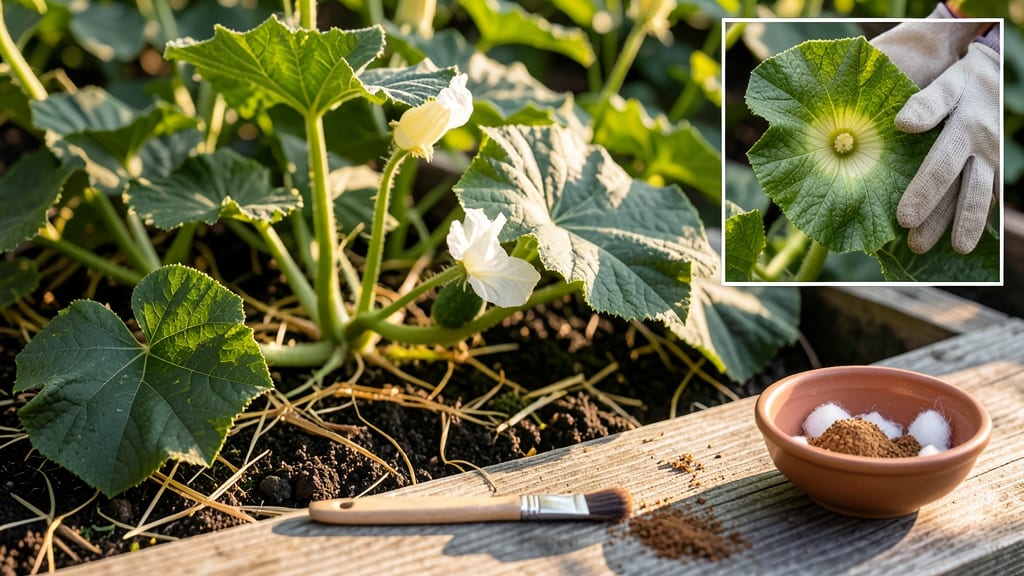
Why cucumbers need pollination (and how to boost female flowers naturally)
Cucumbers rely on pollination to transform those tiny female flowers into the crisp, delicious fruits you crave. Unlike some plants, cucumbers can't self-pollinate efficiently—they need pollen from male flowers to fertilize female blooms.
But what if your vines are bursting with female flowers yet producing almost no fruit? The issue often lies in an imbalance between male and female blooms or poor pollination conditions.
Nature designed cucumbers to produce more female flowers when they sense ideal growing conditions—like long daylight hours, warm temperatures, and balanced nutrients. However, environmental stress (like short days or nutrient deficiencies) can skew the ratio toward male flowers, leaving your female blooms unpollinated.
The good news? You can nudge your plants toward producing more female flowers—and ensure those blooms get pollinated—with a few targeted strategies.
Understanding the science behind cucumber pollination is key. Female flowers (with tiny cucumbers at their base) need pollen from male flowers (long stems, no fruit) to develop. But if your plants are overwhelmed by male blooms or lack pollinators, those female flowers will wilt and drop without setting fruit.
The solution? Boost female flower production and hand-pollinate strategically to maximize your harvest.
Here’s how to create the perfect conditions for female-dominant cucumber plants:
One of the most effective ways to boost female flowers is by manipulating your cucumber plant’s light exposure. Cucumbers grown under 14+ hours of daylight (like in summer) naturally produce more female blooms.
If your plants are struggling in shorter days (common in spring or fall), supplement with a grow light for 2-3 hours in the evening. This simple trick can shift the flower ratio from 70% male to 70% female in just a few weeks.
Don’t overlook the power of fertilizer either. A balanced NPK ratio (like 10-20-10) signals your cucumbers to prioritize flowering over foliage. Too much nitrogen? You’ll get lush leaves but few blooms.
Instead, side-dress with a phosphorus-rich fertilizer when you spot the first flowers. Pro tip: Fish emulsion or bone meal are excellent organic choices for encouraging blooms.
Pruning plays a surprising role too. Many gardeners mistakenly think cucumbers need minimal pruning, but targeted trimming can dramatically increase female flowers. Focus on removing side shoots that form below the third leaf of the main vine.
This redirection of energy often results in 2-3x more female blooms within 2 weeks. Just be sure to use sterilized shears to avoid introducing diseases.
Even with perfect conditions, cucumbers sometimes need a pollination nudge. If you’re growing in a greenhouse or an area with few bees, hand-pollination becomes essential. The good news? You don’t need fancy tools—just a cotton swab or your fingertip.
Start by identifying male flowers (long stems, no fruit) and female flowers (tiny cucumbers at the base). Gently transfer pollen from male stamens to female pistils, focusing on early morning when blooms are fresh and sticky.
Remember, the goal isn’t to eliminate male flowers entirely—it’s to create a balanced ecosystem where female blooms thrive. By combining light manipulation, pruning, and fertilization, you’ll give your cuc
Step-by-step hand-pollination method for maximum fruit set
If your cucumber plants are blooming but producing little to no fruit, hand-pollination might be your best bet—especially when male flowers are scarce. Female flowers need pollen from male flowers to set fruit, but you can manually transfer pollen using simple tools.
This method works best when your plants are healthy and producing female flowers (those with tiny cucumbers at their base). Start by identifying these blooms early in the morning when pollen is fresh and most effective.
Gather your tools: a clean cotton swab, paintbrush, or even your fingertip. Avoid using tools that have touched pesticides or other contaminants, as they can harm your plants. The key is to transfer pollen from male flowers to female flowers efficiently.
If you don’t have male flowers, you can still try pollinating female flowers with pollen from other plants like squash or zucchini, but cucumber-specific pollen yields better results.
⚠️ callout warning ⚠️
- Over-pollinating: Too much pollen can clog female flowers and reduce fruit set. Pollinate 2-3 flowers per plant daily.
- Dirty tools: Always clean your brush or swab with rubbing alcohol between uses to prevent disease spread.
- Wrong timing: Pollinate in the early morning (6-9 AM) when pollen is sticky and most viable.
- Skipping female flowers: Only pollinate blooms with tiny cucumbers at the base—these are female and capable of fruiting.
Pro Tip: Label a pollination log to track which flowers you’ve pollinated and their progress.
Begin by selecting a male flower (if available) or a healthy female flower from another plant. Gently remove the petals to expose the pollen-laden stamens. Dip your cotton swab or brush into the pollen, then lightly brush the stigma (the feathery part at the center) of a female flower.
Apply light pressure—you’re not painting, just transferring pollen. Repeat this process for 3-5 female flowers per plant every 2-3 days during peak blooming season.
Track your progress by marking pollinated flowers with a toothpick or small flag. After 24-48 hours, check for pollination success: the stigma should appear slightly swollen or sticky. If it remains dry, repollinate.
Successful pollination often leads to fruit set within 7-10 days. Keep an eye out for small cucumbers forming at the base of the flower—this is your sign that the process worked!
For best results, combine hand-pollination with optimal growing conditions: ensure your cucumbers receive 6-8 hours of sunlight, consistent watering, and a balanced fertilizer (high in phosphorus). Avoid over-fertilizing with nitrogen, as it promotes leafy growth at the expense of flowers.
If your plants are stressed due to heatwaves or pests, pause pollination until they recover—stressed plants produce less viable pollen.
With patience and consistency, you’ll see a noticeable increase in fruit set. Hand-pollination isn’t just a last resort—it’s a reliable technique for gardeners in greenhouses, urban areas with few bees, or those growing parthenocarpic varieties (which don’t require pollination but still benefit from the process).
Soon, your cucumber vines will be heavy with ready-to-harvest fruit! 🥒