
Mower
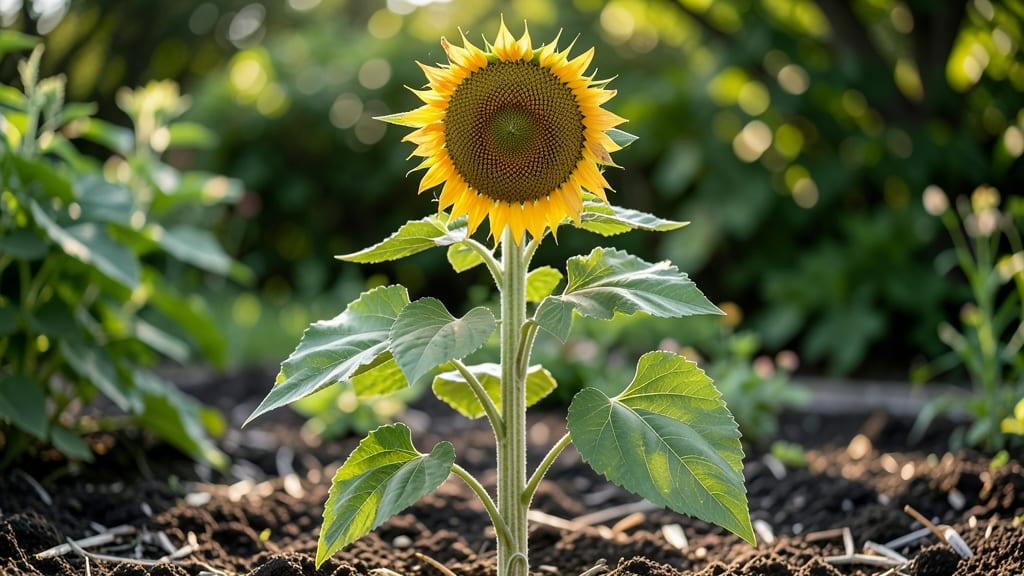
If you’ve ever dreamed of growing sunflowers that dwarf everything else in your garden, Mammoth sunflowers 🌻 are your answer—but their massive size (some reaching 12+ feet tall!) means planting them wrong could turn your backyard into a jungle of tangled stems.
The key to success isn’t just digging a hole; it’s understanding how their height, spacing, and growth habits work together to give you those show-stopping blooms.
Picture this: a single Mammoth sunflower stretching taller than you, its thick stem swaying in the breeze, crowned with a giant flower head that could feed a family. But here’s the catch—these giants need room to stretch their legs (or stems, rather).
Cramming them too close won’t just stunt their growth; it’ll leave you with a forest of skinny, weak stalks instead of the bold, sturdy plants you’re after.
In this guide, I’ll break down everything you need to know to grow Mammoth sunflowers at their absolute best—from how tall they really get (spoiler: it’s more than you think) to the spacing secrets that make all the difference.
Whether you’re a first-time gardener or a seasoned pro, these tips will help you avoid common pitfalls and end up with sunflowers that steal the show.
Ready to turn your garden into a sunflower spectacle? Let’s dive into the height expectations, spacing rules, and pro tips that’ll have your Mammoth sunflowers reaching for the sky—without taking over your yard.

How tall do Mammoth sunflowers grow? Height expectations and variety differences
If you're dreaming of sunflowers that rival your garage door in height, Mammoth sunflowers are the variety for you. These giants can reach anywhere from 8 to 14 feet tall, depending on the specific variety and growing conditions.
Their towering stems and massive blooms make them a stunning focal point in any garden, but their impressive size also means careful planning is essential before planting.
Not all Mammoth sunflowers are created equal. Some varieties, like the 'Russian Giant', can exceed 14 feet under ideal conditions, while others like the classic 'Mammoth' typically max out around 12 feet. Understanding these differences helps you choose the perfect variety for your space and climate.
Whether you're aiming for a dramatic backyard centerpiece or a container-friendly option, knowing the height expectations is your first step to success.
Growing Mammoth sunflowers to their full potential requires more than just space—it demands the right combination of sunlight, nutrient-rich soil, and consistent care. These sunflowers thrive in full sun (6+ hours daily) and need well-draining soil with plenty of organic matter.
Without these conditions, even the hardiest varieties may struggle to reach their maximum height, often staying shorter and less robust.
Here’s a quick look at how Mammoth sunflowers grow over time, from seedling to maturity:
| Variety | Mature Height | Bloom Size | Growth Timeline |
|---|---|---|---|
| Russian Giant | 12–16 ft | 12–16 in | 90–120 days |
| Mammoth | 10–14 ft | 10–14 in | 80–100 days |
| Autumn Beauty | 8–12 ft | 8–12 in | 75–90 days |
| Giant Russian | 14–18 ft | 14–18 in | 100–120 days |
*Height varies by climate, soil quality, and care.
One of the most exciting aspects of growing Mammoth sunflowers is watching them sprout and grow over the summer. Seedlings emerge in just 7–10 days after planting, but it takes about 60–90 days for them to reach half their mature height.
By mid-summer, you’ll see rapid growth, especially if you provide consistent moisture and nutrients. In optimal conditions, these sunflowers can add 1–2 feet per month once they’re established.
Climate plays a huge role in how tall your Mammoth sunflowers will grow. In warmer, sunnier regions like the Southwest or Southern U.S., these sunflowers often reach their maximum height more quickly.
However, in cooler climates like the Pacific Northwest, growth may be slower, and heights might fall on the shorter end of the spectrum. If you live in a shorter growing season area, consider starting seeds indoors or using black plastic mulch to warm the soil and extend the season.
Another factor to consider is stem thickness. Mammoth sunflowers aren’t just tall—they’re sturdy! A healthy stem can reach 3–5 inches in diameter at the base, which helps support the massive flower heads.
Thin or weak stems, however, may struggle to hold up under the weight of large blooms, especially in windy conditions. To prevent flopping, I recommend staking or caging your tallest varieties early in their growth cycle.
If you’re growing Mammoth sunflowers in containers or small spaces, don’t be discouraged—some varieties like 'Autumn Beauty' are more compact and can thrive in large pots. Just ensure your container is at least 18 inches deep and wide enough to accommodate the root system.
Even in containers, these sunflowers can still reach 8–10 feet tall, making them perfect for balconies or patios.
Finally, remember that proper spacing is crucial for maximizing height and bloom size. Crowding can lead to weaker stems and smaller flowers, so give each plant plenty of room to stretch toward the sky.
In the next section, I’ll dive deeper into the best spacing techniques to ensure your Mammoth sunflowers grow as tall and healthy as possible.
Optimal spacing for Mammoth sunflowers: preventing overcrowding and maximizing blooms
When planting Mammoth sunflowers, spacing isn’t just about fitting them into your garden—it’s about giving them room to grow into those 12-foot giants you’re dreaming of. Too close, and you’ll end up with weak, leggy stems competing for sunlight and nutrients.
Too far apart, and you’ll waste space that could be filled with more blooms. The sweet spot for single-stem Mammoth sunflowers is 18-24 inches apart, while clusters need 36+ inches to thrive.
This spacing might seem generous, but trust me—your sunflowers will thank you with thicker stems, larger blooms, and less risk of disease.
For example, planting them 24 inches apart ensures each plant has enough space to develop a thick, sturdy stem capable of supporting a 2-foot-wide flower head. If you’re short on space, consider container growing or trellising to save room without sacrificing height.
Here’s the pros cons box to help you weigh your options for spacing Mammoth sunflowers:
Spacing Options for Mammoth Sunflowers
Single-Stem Spacing (18-24")
- Pros: Stronger stems, larger blooms
- Cons: Needs more space per plant
Cluster Spacing (36"+)
- Pros: Better airflow, fewer diseases
- Cons: Requires more garden space
Container Growing
- Pros: Saves space, great for patios
- Cons: Limited root space, needs larger pots
Trellis Support
- Pros: Vertical growth, saves ground space
- Cons: Requires sturdy trellis for height
If you’ve ever seen Mammoth sunflowers planted too closely, you’ve likely noticed how their stems lean and bend unnaturally toward the light, creating a tangled mess. This isn’t just unsightly—it’s a sign of competition for resources, which weakens each plant.
Proper spacing ensures they grow straight and tall, with thick stems that can support their massive blooms. For example, in my own garden, I once planted Mammoth sunflowers just 12 inches apart, and by mid-summer, they were leaning over like drunken giants.
The lesson? Give them room to stand tall!
For small gardens or urban spaces, containers are a game-changer. Use pots that are at least 18 inches in diameter and 2 feet deep to accommodate their deep root systems. Place them in full sun and water deeply every 3-5 days to mimic in-ground conditions.
If you’re feeling creative, try trellising—these sunflowers can climb, and a sturdy bamboo trellis or metal cage can turn them into a vertical focal point while saving precious ground space.
One of the most common mistakes I see is overcrowding in rows. If you’re planting in rows, space them 24-36 inches apart between rows to allow for airflow and easy maintenance. Another pitfall is skipping soil prep—Mammoth sunflowers thrive in well-draining, nutrient-rich soil.
Before planting, amend your soil with compost or a balanced fertilizer to give them the best start. If you’re fixing an already overcrowded patch, thin out the weakest stems and transplant them to a new location with proper spacing.
Remember, the goal isn’t just to fit more sunflowers into your garden—it’s to grow healthier, taller, and more stunning ones. With the right spacing, your Mammoth sunflowers will reach their full potential, turning your garden into a sunflower paradise that neighbors will envy. Happy planting! 🌻