
Fertilization
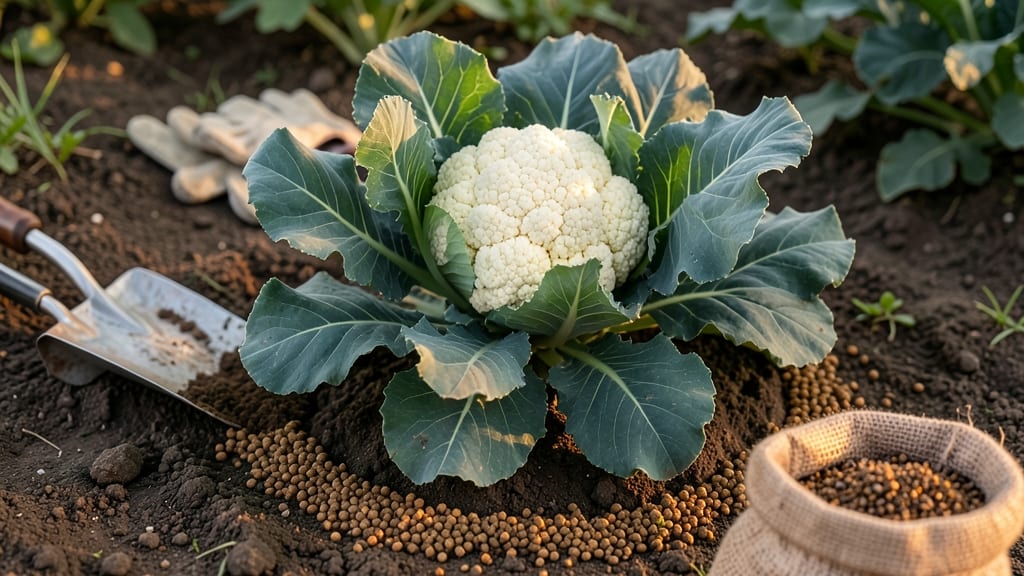
Want to grow tight, flavorful cauliflower heads using the right organic fertilizer for cauliflower? The key isn’t just water or sunlight—it’s getting that perfect nitrogen-potassium balance most gardeners miss.
Here’s the thing: too much nitrogen makes your 🥬 plants leafy but never form heads, while potassium keeps those curds firm and sweet. I’ve tested everything from compost to fish emulsion, and I’ll show you exactly which organic options work best—and when to apply them—for Zone 6a gardens like yours.
Whether you’re planting in March or April, you’ll learn how to prep your soil, choose the right fertilizers for each growth stage, and avoid the 3 biggest mistakes that turn perfect heads into sad, loose messes. Let’s get those cauliflowers looking like they belong in a farmers’ market.
No more guessing—just science-backed tips to grow cauliflower that’s sweeter, tighter, and ready to harvest in June or August. Ready to transform your garden?
Optimal nitrogen-potassium ratios for cauliflower growth and head formation
Growing perfect cauliflower heads isn't just about water and sunlight—it's all about getting the nitrogen-potassium (N-K) balance right. Too much nitrogen leads to lush leaves but no heads, while too much potassium can stunt growth.
The ideal organic NPK ratio for cauliflower is 0.5-1-1.5, where nitrogen fuels early growth and potassium strengthens head formation. This ratio ensures your plants grow strong stems and compact curds instead of leggy, loose heads.
Cauliflower is a heavy feeder, especially during head development. Organic fertilizers like compost, fish emulsion, and kelp meal provide the perfect slow-release nutrition without burning plants. Unlike synthetic fertilizers, these organic options improve soil structure over time, creating an environment where cauliflower thrives.
Think of nitrogen as the "gas pedal" for leafy growth and potassium as the "stabilizer" for head formation—balance both for success.
During the seedling stage, focus on nitrogen to build strong leaves. Use worm castings or compost tea—these provide gentle nitrogen while improving soil microbiology. Avoid synthetic fertilizers here; they can shock young plants.
Once your cauliflower reaches the vegetative growth phase, switch to a balanced organic fertilizer like fish emulsion (5-1-1 ratio). This shifts the focus to potassium while maintaining nitrogen for stem development.
The magic happens during head formation. Here, reduce nitrogen and increase potassium to prevent loose, open heads. A kelp meal (0.5-0.5-3.5 ratio) is ideal—it’s rich in potassium and trace minerals like boron, which cauliflower craves for tight curds.
Apply this 2-3 weeks before harvest to see the best results. Think of it like giving your plant a "finishing touch" to ensure that perfect, restaurant-worthy head.
One common mistake is over-fertilizing with nitrogen late in the season. This leads to excessive leaf growth at the expense of head development. If your cauliflower plants look like they’re growing more leaves than heads, it’s time to cut back on nitrogen and switch to potassium-rich fertilizers.
A simple banana peel tea (steep banana peels in water for 24 hours) can provide a quick potassium boost without synthetic additives.
For container gardeners, adjust your ratios slightly. Since pots have limited soil volume, use half the recommended dose of organic fertilizers but apply them every 3 weeks instead of 4. Container-grown cauliflower also benefits from foliar sprays of liquid kelp or fish emulsion during head formation.
This ensures nutrients reach the plant quickly, even in small spaces. Remember, cauliflower is a heavy feeder, so don’t skimp on organic matter—amend your soil with well-aged compost before planting.
Testing your soil’s NPK levels before planting can save you from guesswork. A simple home soil test kit (available at garden centers) will tell you if your soil is deficient in nitrogen or potassium.
If your soil tests low in potassium, add wood ash (sparingly—it’s alkaline) or greensand, an organic potassium source. For nitrogen, alfalfa meal or cottonseed meal are excellent organic amendments that release nitrogen slowly over time.
Pro tip: Pair your organic fertilizers with mulch to retain moisture and regulate nutrient release. Straw or shredded leaves work well, especially in hot climates where ca
Best organic fertilizers for cauliflower by growth stage (seedlings to harvest)
Cauliflower thrives when you feed it the right nutrients at the right time. Unlike leafy greens, it needs a balanced approach—too much nitrogen early on will give you lush leaves but no heads, while potassium deficiencies later will leave your curds loose and bland.
I’ve learned this the hard way, and now I’ll share my stage-by-stage organic fertilizer plan that guarantees tight, flavorful heads every time.
From seedlings to harvest-ready plants, each growth phase demands different nutrients. The key is adjusting your organic fertilizer mix to match your cauliflower’s needs—whether that’s nitrogen for early growth or potassium for head formation.
Let’s break down the best organic options for each stage, so you can avoid common mistakes and enjoy homegrown cauliflower that rivals the farmers’ market.
- 🌱 Seedlings (0-4 weeks): Use worm castings (1 tbsp per plant) or fish emulsion (diluted 1:10) for gentle nitrogen boost. Avoid overfeeding—young plants need low nitrogen to prevent leggy growth.
- 🌿 Vegetative Growth (4-8 weeks): Switch to compost tea or alfalfa meal (1 tbsp per plant) every 3-4 weeks. This phase needs moderate nitrogen and phosphorus for root development.
- 🥬 Head Formation (8-12 weeks): Increase potassium with banana peel tea or wood ash (1 tbsp per plant). This strengthens cell walls for tight, firm curds.
- 🌟 Pre-Harvest (12+ weeks): Stop fertilizing entirely 2 weeks before harvest. Use kelp meal (1 tsp per plant) for a final micronutrient boost without overstimulating growth.
For seedlings, I swear by worm castings mixed into the soil at planting. They provide a gentle, slow-release nitrogen that won’t burn tender roots. If you’re using fish emulsion, dilute it to half-strength—cauliflower seedlings are sensitive to concentrated fertilizers.
Think of this stage as setting the foundation; too much nitrogen now will delay head formation later.
Once your plants hit the vegetative growth phase (4-8 weeks), it’s time to shift to compost tea or alfalfa meal. These organic fertilizers deliver a balanced mix of nitrogen and phosphorus, which encourages strong root systems and leafy growth.
I apply this every 3-4 weeks, always watering it in well to prevent salt buildup. Pro tip: Mix in a handful of kelp meal for extra micronutrients like boron, which prevents head disorders.
When your cauliflower starts forming heads (around 8-12 weeks), potassium becomes critical. This is where many gardeners make mistakes—overdoing nitrogen and ending up with loose, bitter curds. Instead, I switch to banana peel tea or sprinkle wood ash around the base of the plant.
Both are rich in potassium, which tightens the head and improves flavor. Just be careful with wood ash—it can raise soil pH, so use it sparingly.
In the final 2 weeks before harvest, stop all fertilizers to avoid bitterness. Instead, give your plants a kelp meal boost for a final micronutrient push. This ensures your cauliflower stays sweet and crisp.
Harvest when the head is firm and tightly wrapped—don’t wait until it starts to open, or you’ll miss the window for perfect texture and flavor.