
Light Requirements
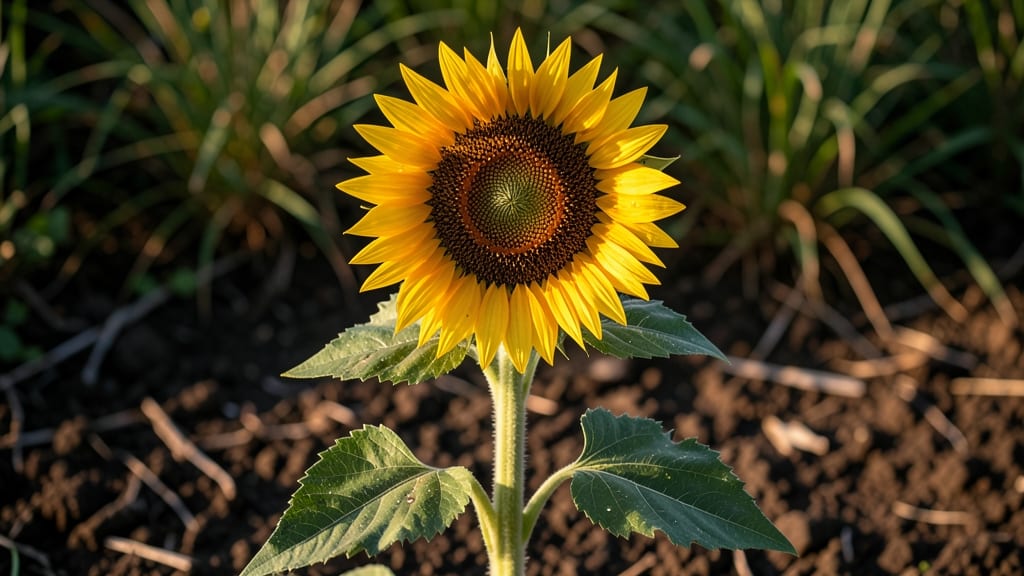
How much sun do sunflowers need for maximum growth?
Sunflowers are the champions of sunlight in the garden, but their sun requirements change dramatically from seedling to mature plant. While they thrive in full sun conditions, giving them too little light can leave you with skinny stems and tiny blooms instead of the towering beauties you envision.
The key is understanding how much sunlight your sunflowers need at each growth stage—and how to measure it accurately.
Most gardeners define full sun as 6 to 8+ hours of direct sunlight daily, but sunflowers actually perform best with 8 to 12 hours during their peak growing season. This extra light fuels their rapid vertical growth and massive flower heads.
However, young seedlings have different needs, requiring gentler morning sun to prevent scorching. Let’s break down the science behind their light needs.
Sunlight intensity isn’t just about duration—it’s also about quality. A south-facing garden spot receives the most intense sunlight, while east or west exposures may offer longer but less intense light. If you’re unsure about your garden’s sunlight levels, use a sunlight intensity meter or observe your space for a week. Note when shadows fall and how long they linger—this will help you position your sunflowers for optimal growth.
| Growth Stage | Sunlight Needs | Daily Exposure | Microclimate Notes |
|---|---|---|---|
| Seedlings (0-4 weeks) | Partial Sun | 4-6 hours (morning sun) | Use shade cloth or plant near taller crops to prevent scorching. |
| Vegetative (4-8 weeks) | Full Sun | 6-8 hours | South-facing beds or raised beds maximize growth. |
| Flowering (8-12 weeks) | Full Sun | 8-12 hours | West-facing spots extend light exposure for larger blooms. |
| Mature (12+ weeks) | Full Sun | 6-8 hours (maintenance) | Prune lower leaves to improve airflow and light penetration. |
If your garden doesn’t offer full sun conditions, don’t despair—sunflowers can adapt to partial shade, though their growth will be compromised.
In areas with 6 or fewer hours of direct sun, opt for dwarf varieties like 'Teddy Bear' or 'Moulin Rouge', which tolerate lower light levels better. For taller varieties, consider using reflective surfaces like white mulch or mirrors to bounce extra light onto your plants.
Another trick for low-light gardens is to plant sunflowers near tall structures like fences or trellises. Position them so they receive maximum morning sunlight, which is the most intense and beneficial for photosynthesis.
Avoid placing them in deep shade under trees or buildings, as this can lead to leggy, weak stems and poor flowering.
For gardeners in northern climates, sunlight duration changes dramatically with the seasons. In early spring, days are shorter, so extend light exposure by planting sunflowers in the southernmost part of your garden.
As summer progresses, their sunlight needs increase, so monitor their growth and adjust stakes or supports if stems become too weak for their height.
One common mistake is assuming more sun is always better. While sunflowers love light, intense afternoon sun can scorch young seedlings. To protect them, start seeds indoors or use shade cloth (30-50%) until they’re at least 4 inches tall.
Once hardened off, they’ll handle full sun like champions. For mature plants, afternoon shade in hot climates can actually improve their resilience.
To test your garden’s sunlight intensity, use a simple shadow test. Place a stake in the ground where you plan to plant and mark the shadow’s edge every hour. If the shadow moves slowly or disappears by midday, you’ve got a high-intensity sun spot.
If it lingers all day, your area is lower intensity—ideal for seedlings but may limit mature sunflower growth.
Remember, sunflowers aren’t just sun-loving plants—they’re also light followers. As they grow, their flower heads will naturally turn toward the sun, a behavior called heliotropism. This means you’ll need to rotate or stake them to prevent stems from bending or breaking under their own weight.
A sturdy cage or trellis can help channel their energy upward instead of sideways.
By tailoring your sunflower care to their light needs at each stage, you’ll unlock their full potential—from 3-foot dwarf varieties to 12-foot giants.
Whether you’re a beginner or a seasoned gardener, mastering sunlight exposure is the secret to growing sunflowers that turn heads—and fill your garden with joy. 🌻
Signs your sunflowers aren’t getting enough light (and how to fix it)
If your sunflowers are growing taller than wide with pale yellow leaves, they’re screaming for more sunlight. Sunflowers need 6-8+ hours of direct sun daily to thrive, and when they don’t get it, their growth becomes a sad, leggy mess.
The good news? You can often fix the problem with simple adjustments—like relocating plants or adding reflective surfaces.
One of the first warning signs is delayed blooming. Sunflowers deprived of light may take months longer to flower, if they bloom at all. You might also notice small, weak buds that never fully open or yellowing leaves that look more like lettuce than sunflowers.
These are clear signals your plants are struggling to photosynthesize efficiently.
⚠️ callout warning
Sunflowers need full sun (6-8+ hours daily)—any less and you’ll see:
- ❌ Leggy stems (reaching for light)
- ❌ Pale, thin leaves (chlorosis)
- ❌ Delayed or no blooms (florigen hormone drop)
- ❌ Weak stems (prone to snapping)
Fix it fast: Move plants to sunnier spots, use reflective mulch, or prune nearby shade-casters!
For northern climates or shaded gardens, try companion planting with low-growing, sun-loving plants like marigolds or basil. These reflect light upward while keeping weeds at bay. Another trick?
Use white gravel or reflective mulch around your sunflowers to bounce extra light onto their leaves. Even a simple south-facing window can work for container-grown sunflowers in urban settings.
If your sunflowers are already too tall and weak, prune the top few inches to encourage bushier growth. This won’t fix the sunlight issue long-term, but it’ll help your plants redirect energy to stronger stems.
For seasonal adjustments, consider planting dwarf varieties like ‘Teddy Bear’ if full sun is impossible—these tolerate partial shade better than giants.
Pro tip: Monitor sunlight with a sunlight tracker app or a simple DIY test. Place a white board where your sunflowers grow—if it’s shaded for more than 2-3 hours daily, your plants are in trouble.
Adjust stakes or move containers to sunnier spots before it’s too late. A little extra light can turn a sad, spindly sunflower into a towering beauty in no time!
Don’t let your sunflowers become light-deprived shadows of their potential. With these fixes, you’ll have bold blooms and strong stems in weeks—no green thumb required, just a little sunlight love! ☀️🌻