
Flowers
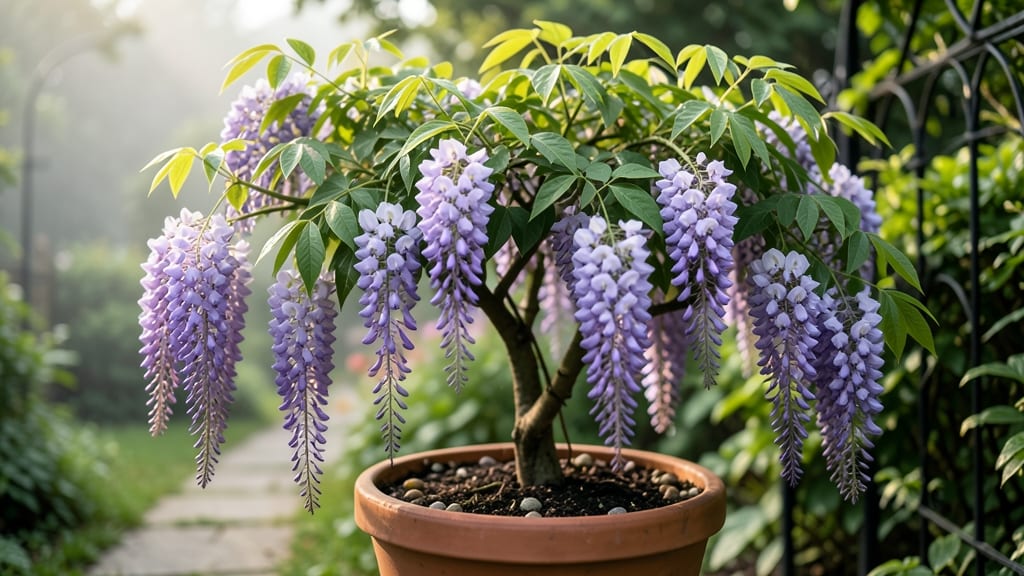
There’s something magical about spotting a tree with little purple flowers—those soft, airy blooms that seem to dance in the breeze. If you’ve ever dreamed of adding that same whimsical charm to your garden or yard, you’re in the right place.
These trees aren’t just pretty faces; they’re the unsung heroes of spring landscapes, bringing color and life with minimal fuss.
From the delicate lavender clusters of the Eastern Redbud to the showstopping blooms of the Crape Myrtle, these varieties thrive in USDA Zone 6a and beyond. Whether you’re working with a cozy corner or a sprawling backyard, the right tree can transform your space into a fragrant, purple-hued paradise.
Let’s explore five standout varieties that’ll make your outdoor area the envy of the neighborhood.
But here’s the thing: not all purple-flowering trees are created equal. Some need full sun to shine, while others adapt to partial shade—knowing the difference is key to long-term success. I’ll break down what each tree needs to thrive, plus how to pair them with complementary plants for maximum impact.
Ready to turn your garden into a purple dream? Let’s get started.
The best part? Many of these trees bloom early in the season, giving you a head start on spring beauty. Whether you’re a seasoned gardener or just dipping your toes into landscaping, these purple powerhouses are easy to grow and packed with personality.
Stick around—I’ll show you exactly how to make them the stars of your outdoor space.
5 Trees with tiny purple flowers that transform landscapes
Imagine a landscape bursting with delicate purple blooms that attract pollinators and create a dreamy atmosphere. These five trees with tiny purple flowers deliver just that, offering seasonal interest, minimal maintenance, and stunning visual impact.
Whether you're designing a cottage garden or a modern urban space, these varieties bring elegance and charm year after year.
From early spring bloomers to late-season showstoppers, each of these purple-flowering trees has unique characteristics that make them perfect for different garden styles. I’ve selected these based on their bloom abundance, hardiness, and adaptability to various climates.
Let’s dive into the details so you can choose the perfect fit for your outdoor space.
The Eastern Redbud (Cercis canadensis 'Lavender Twist') is a standout for its lavender-pink blooms that appear before the leaves in early spring. This small deciduous tree thrives in USDA zones 4-9 and adds a pop of color when most gardens are still dormant.
Its twisted branches create an artistic silhouette, making it ideal for garden focal points or as a specimen plant.
For a late-spring spectacle, the Japanese Flowering Cherry (Prunus serrulata 'Kanzan') delivers double pink blossoms in clusters, creating a cloud-like effect. This medium-sized tree grows best in full sun and moist, well-drained soil, making it perfect for urban landscapes or park settings.
Just be prepared for its messy petal drop, which requires cleanup afterward.
If you love summer-long color
How to identify and care for purple-flowering trees
Identifying a tree with little purple flowers starts with understanding their unique features. These trees often have distinctive leaf shapes, bark textures, and bloom clusters that set them apart.
For example, the Eastern Redbud (Cercis canadensis) boasts heart-shaped leaves and clusters of tiny lavender blooms that appear before its foliage. Meanwhile, the Crape Myrtle (Lagerstroemia) has soft, papery flowers and smooth, often mottled bark.
Paying attention to these details helps you pinpoint the right tree for your space.
Once you’ve identified your tree, proper care ensures it thrives for years. Most purple-flowering trees prefer well-draining soil and moderate sunlight, though some tolerate partial shade. Understanding these needs is key to avoiding common pitfalls like root rot or stunted growth.
Let’s break down what each tree requires to flourish, from sunlight preferences to seasonal pruning tips.
- Leaf Shape: Look for heart-shaped (Redbud) or lance-shaped (Crape Myrtle) leaves. Some, like the Purple Leaf Plum, have deep purple foliage even when not in bloom.
- Bark Texture: Smooth bark with peeling layers (Crape Myrtle) or ridged patterns (Redbud) can help with identification. Younger trees often have smoother bark that develops texture over time.
- Bloom Clusters: Tiny purple flowers may appear in dense clusters (Deutzia) or loose sprays (Redbud). The Japanese Tree Lilac (Cercidiphyllum) has unique, fragrant blooms that resemble lilacs.
- Sunlight Needs: Most thrive in full sun (6+ hours), but some, like the Eastern Redbud, tolerate partial shade. Always check the specific variety’s requirements.
- Soil Type: Well-draining, slightly acidic to neutral soil (pH 6.0–7.0) is ideal. Amend heavy clay with compost to improve drainage and aeration.
- Pruning Schedule: Prune late winter or early spring (before buds swell) to shape the tree and remove dead branches. Avoid heavy pruning in late summer, as it can reduce next year’s blooms.
- Seasonal Maintenance: Mulch annually in spring to retain moisture and regulate soil temperature. Fertilize lightly in early spring with a balanced 10-10-10 formula for optimal growth.
One of the most common mistakes I see is overwatering young trees. While purple-flowering trees like the Crape Myrtle are drought-tolerant once established, their roots need time to develop. Water deeply once a week during the first year, then taper off as the tree matures.
Overwatering can lead to root rot, so always check the soil moisture before watering—stick your finger 2 inches into the soil. If it’s dry, it’s time to water.
Pruning is another critical aspect of care. Many purple-flowering trees bloom on old wood, meaning they set buds in the previous growing season. Pruning at the wrong time can reduce—or even eliminate—next year’s flowers.
For example, the Eastern Redbud blooms on one-year-old wood, so avoid heavy pruning until after its spring display. Instead, focus on removing dead or crossing branches to maintain an open, airy canopy. This not only improves airflow but also enhances the tree’s natural beauty.
Seasonal care is just as important as daily maintenance. In spring, focus on fertilizing and mulching to encourage new growth. By summer, reduce watering slightly and monitor for pests like aphids or spider mites, which can attack stressed trees.
In fall, clean up fallen leaves and debris to prevent fungal diseases. Finally, in winter, protect young trees from harsh winds or heavy snow by wrapping the trunk with burlap or using a tree guard.
With the right care, your purple-flowering tree will reward you with years of stunning blooms and lush foliage. Whether you’re drawn to the delicate charm of the Eastern Redbud or the bold statement of a Crape Myrtle, these trees bring effortless elegance to any landscape.
Start with these identification and care tips, and you’ll be well on your way to cultivating a purple paradise.