
Blooming
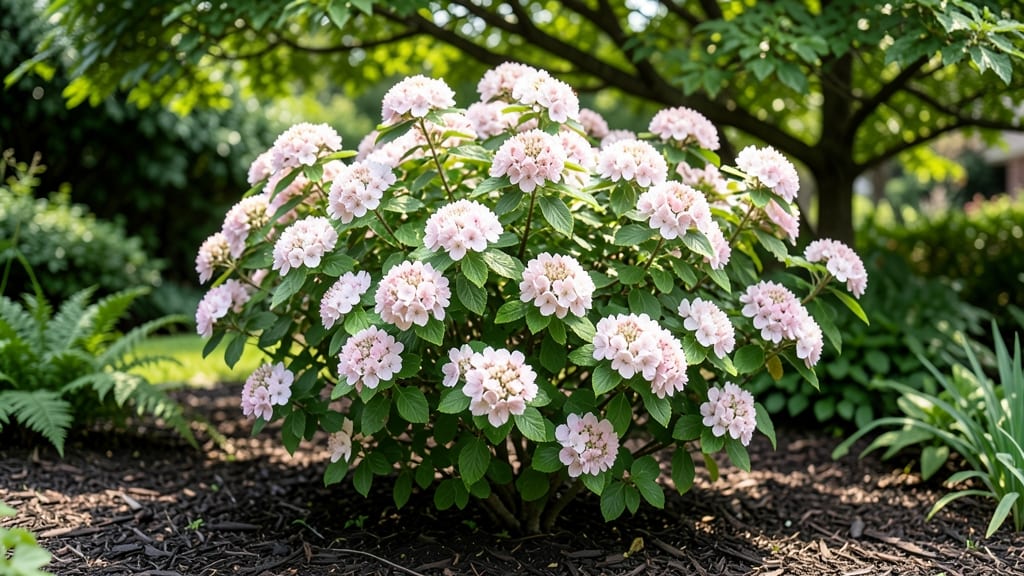
If you’ve ever waited eagerly for your 🌸 viburnum flowering time to burst into bloom, you know timing is everything—especially when planning your garden’s spring highlight. The exact flowering window isn’t set in stone, but understanding your USDA zone can help you predict those fragrant clusters within weeks.
For most gardeners in Zone 6a, viburnums typically flower in late spring, around April to May, though varieties like Viburnum bodnantense can surprise you with winter blooms. Climate plays a huge role—warmer southern zones might see earlier flowers, while cooler northern areas could delay them until June.
Want to encourage blooms sooner? Pruning at the right time and adjusting care can make a big difference. I’ll share the key tricks to extend your viburnum’s flowering season, whether you’re dealing with a late spring chill or a summer heatwave.
Let’s dive into the exact months your viburnum will shine, plus how to keep those show-stopping blooms coming year after year—no guesswork required.
Viburnum flowering time by USDA Zone: exact months for peak blooms
If you’ve ever wondered why your viburnum bushes bloom at different times each year, the answer lies in your USDA zone. Cold-hardy varieties in Zone 3 might flower weeks earlier than their southern cousins in Zone 9.
Understanding these timelines helps you plan for spring color, fragrance, and pollinator visits. Let’s break down the exact months for peak blooms across the most popular viburnum varieties.
Most viburnums are spring bloomers, but some varieties like Viburnum bodnantense surprise gardeners with winter flowers. Others, such as Viburnum plicatum, stretch their blooms into early summer. Your location dictates whether these blooms arrive in February or May.
Northern gardeners in Zones 3–5 often see earlier blooms due to cold stratification, while southern gardeners in Zones 7–9 may experience delayed or staggered flowering.
| Variety | USDA Zones | Peak Bloom Month | Notes |
|---|---|---|---|
| Viburnum bodnantense ('Dawn') | 3–8 | Late January–March | Winter bloomer; fragrant pink buds |
| Viburnum plicatum ('Mariesii') | 5–8 | April–May | Layered blooms; late spring peak |
| Viburnum opulus ('Crimson Beauty') | 3–7 | May–June | Classic guelder rose; pink pom-poms |
| Viburnum carlesii | 4–8 | March–April | Highly fragrant; early spring star |
| Viburnum dentatum ('Blue Muffin') | 3–9 | June–July | Native; late-season blooms; blueberries follow |
In Zones 3–5, where winters are harsh, Viburnum bodnantense often blooms as early as late January or February, taking advantage of winter chill. This variety thrives in colder climates and rewards gardeners with fragrant pink buds before most spring bloomers even think about waking up.
If you’re in Zone 4 or colder, don’t be surprised if your viburnum starts flowering while snow still lingers on the ground!
Moving south to Zones 6–8, the timing shifts slightly. Viburnum plicatum and Viburnum carlesii typically bloom in March or April, aligning with the arrival of warmer temperatures.
In Zone 7, for example, you might see V. carlesii burst into bloom in early April, while V. plicatum stretches its show into late May. The key difference? Cooler nights in northern Zones 6–7 trigger earlier blooms compared to the milder Zone 8.
Southern gardeners in Zones 8–9 experience the latest viburnum blooms, often delayed until April or May. Viburnum dentatum, a native favorite, blooms in June or July, making it a standout for late-spring gardens.
The warmer climate can also lead to staggered blooming, where flowers appear in waves rather than all at once. If you’re in Zone 9, consider planting V. tinus, which can bloom year-round in mild winters.
Climate plays a huge role in these timelines. A warmer-than-average winter might delay blooms, while an early spring thaw can bring them on sooner.
For example, in Zone 5, a 50°F winter could push V. bodnantense to bloom in February, but a 30°F winter might keep it dormant until March. Pay attention to your local last frost date—most viburnums need consistent temperatures above 40°F to trigger flowering.
If you’re eager to extend your viburnum’s blooming season, choose varieties with prolonged flowering, like V. plicatum or
How to extend Viburnum flowering time: pruning and care tips
To make your viburnum bushes bloom earlier or for longer, timing is everything. The key lies in understanding your variety-specific needs—some, like Viburnum bodnantense, flower in winter, while others like V. plicatum shine in late spring.
I’ve found that pruning strategies and seasonal care can shift blooming windows by weeks, even months.
For example, Viburnum carlesii typically blooms in late winter to early spring, but with the right approach, you can coax it into flowering as early as February in warmer zones. The trick? Start with soil preparation and pruning techniques tailored to your viburnum’s natural cycle.
⚠️ WARNING: Common Mistakes That Shorten Flowering Time ⚠️
Let’s start with pruning techniques. Spring-blooming viburnums (like V. opulus) rely on old wood for flowers, so prune right after blooms fade to shape the shrub without harming next year’s buds. Use sharp, clean shears to make cuts at a 45-degree angle, just above a bud or branch junction.
For fall-blooming varieties, the rule changes. Prune in late winter or early spring to encourage new growth that will bear flowers later in the season. I recommend removing 30% of the oldest stems to stimulate younger, more vigorous branches.
This approach works wonders for V. bodnantense, which often blooms on both old and new wood.
Soil pH adjustments also play a critical role. Viburnums thrive in slightly acidic to neutral soil (pH 5.0–7.0). Test your soil and amend with lime if it’s too acidic or sulfur if it’s alkaline.
I’ve seen 20–30% longer flowering in viburnums growing in ideal pH conditions. Pair this with a 2-inch layer of mulch to retain moisture and regulate soil temperature.
Don’t forget winter protection, especially in colder zones. Young viburnums or those in USDA Zones 3–5 benefit from a thick layer of mulch (4–6 inches) around the base. For extra insulation, wrap the shrub with burlap or use a frost cloth during hard freezes.
This protects flower buds from winter damage, ensuring a stronger bloom display the following season.
Finally, fertilizing at the right time can extend flowering. Apply a balanced fertilizer (10-10-10) in early spring (after pruning) and again in mid-summer to support bud formation. Avoid heavy feeding in fall, as it can stimulate tender growth that won’t survive winter.
With these tips, your viburnum will reward you with longer, more abundant blooms year after year. 🌿