
Flowers
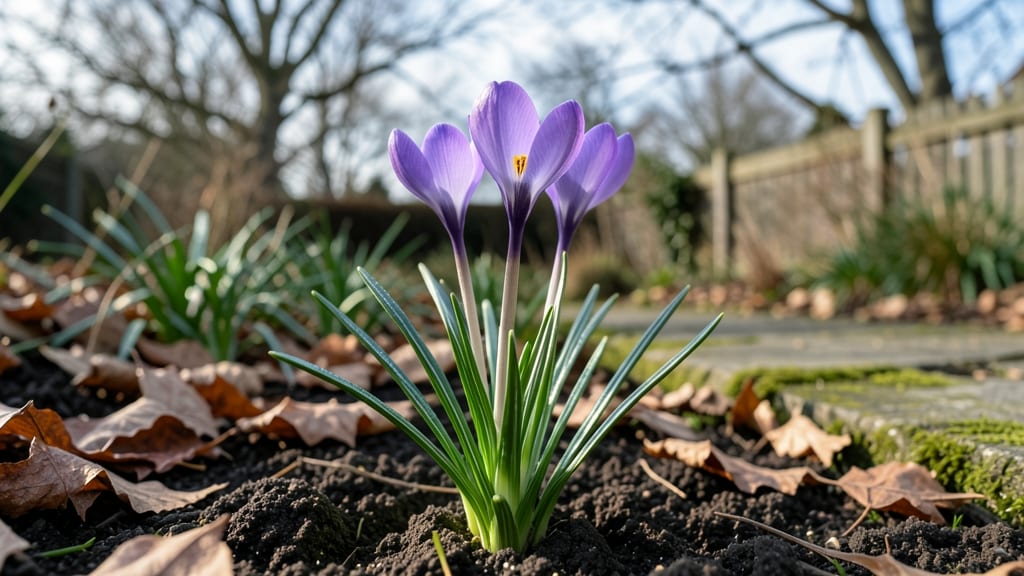
If you’ve ever spotted those cheerful 🌷 crocus popping through snow or ground cover and wondered when do crocus flower exactly in your yard, the answer depends more on your climate than you might think.
These early spring harbingers often appear weeks before daffodils, sometimes even pushing through late winter snow in colder zones like mine in Zone 6a.
The typical bloom window for most crocus varieties stretches from late February to early April, but your microclimate can shift that by 3-4 weeks—whether you’re in a sheltered valley or a windy hilltop.
Even the saffron crocus (Crocus sativus), which blooms later in fall, follows its own schedule, often appearing in October-November when other bulbs have already faded.
What’s most surprising? Crocus don’t need warm soil to bloom—they trigger flowering based on light exposure and temperature cues they receive during their dormant winter months. That’s why a sunny south-facing bed can make them emerge weeks earlier than shaded spots.
I’ve even seen them bloom under 3 inches of snow in my garden!
In this guide, I’ll break down the exact months crocus typically flower by USDA zone, how to coax earlier blooms, and which varieties beat the spring rush.
By the end, you’ll know precisely when to expect those first purple, white, or yellow pops of color—and how to make your garden the first on the block to show them off.
Crocus bloom timing by USDA hardiness zone: month-by-month guide
Crocus flowers are nature's harbingers of spring, often pushing through snow or soil in late winter to early spring. Their bloom timing varies dramatically by USDA hardiness zone, with gardeners in colder regions seeing them weeks earlier than those in milder climates.
Understanding these patterns helps you plan seasonal color displays and adjust planting strategies for optimal results.
Most crocus varieties bloom in early to mid-spring, but some autumn-blooming types like Crocus sativus (saffron crocus) appear in October or November. The key factor is soil temperature, which triggers dormancy break in fall-planted corms.
In warmer zones, crocus may bloom as early as January or February, while colder zones wait until March or April.
Zone-specific timing matters because crocus corms need chilling periods (typically 12-16 weeks below 40°F) to bloom reliably. Without proper chilling, flowers may fail to emerge or produce weak blooms. Let's explore month-by-month expectations for zones 3 through 10, including adjustments for microclimates.
| USDA Zone | Typical Bloom Window | Early Bloomers | Late Bloomers | Climate Notes |
|---|---|---|---|---|
| Zones 3-4 | Mid-March to early April | Late February (sheltered spots) | Early April (cold years) | Snow cover delays blooms |
| Zones 5-6 | Late February to March | Early February (mild winters) | Mid-April (late frosts) | Full sun speeds blooming |
| Zones 7-8 | January to February | December (warm microclimates) | Early March (cooler zones) | Partial shade delays blooms |
| Zones 9-10 | November to January | October (autumn types) | February (late varieties) | Year-round blooms possible |
In zones 3-4, crocus often bloom mid-March to early April, sometimes pushing through snow or ice. Varieties like Crocus tommasinianus (woodland crocus) thrive here, emerging early to take advantage of short growing seasons. For earlier blooms, plant in south-facing beds where soil warms faster.
Gardeners in zones 5-6 enjoy late February to March blooms, with mild winters allowing some early February displays. Crocus vernus (Dutch crocus) is a top performer here, while late frosts can delay blooms until mid-April. Use mulch to protect corms from temperature swings.
Warmer zones 7-8 see crocus blooms as early as January, with autumn varieties appearing in December. Crocus chrysanthus (snow crocus) excels here, often blooming before daffodils. In partial shade, blooms may delay until February or March. Avoid waterlogged soil, which causes rot.
Southern zones 9-10 offer year-round crocus blooms, with autumn types like Crocus sativus appearing in October or November. Spring blooms stretch from January to March, and some late varieties bloom as late as February. These zones can grow tender crocus varieties like Crocus speciosus (showy crocus).
For consistent blooming, plant corms 6-8 weeks before your average first frost
How microclimate and soil conditions affect crocus flowering dates
Crocus flowers are famous for their early spring displays, but their exact bloom times can vary dramatically even within the same neighborhood. The difference often comes down to your garden's microclimate—those tiny variations in sunlight, temperature, and moisture that create unique growing conditions.
For example, a south-facing slope might trigger blooms 2-3 weeks earlier than a shady north side, while well-draining soil can prevent delays caused by soggy roots.
Even subtle changes in your garden's environment—like the elevation of your planting bed or the reflective heat from nearby pavement—can shift bloom times. Understanding these factors lets you strategically place crocus bulbs for earlier color or protect them from late-season frost.
Let's break down how each element influences your crocus' timing.
Crocus bulbs need consistent soil temps between 40°F-50°F to break dormancy. If your garden soil stays warmer than 55°F in winter, blooms may appear too early and get fried by late frosts. Conversely, cold, wet soils below 35°F can delay flowering until April or even May. Test your soil temperature with a soil thermometer in late winter to predict bloom windows accurately.
Sun exposure plays a surprisingly large role in crocus timing. While they tolerate partial shade, crocus planted in full sun often bloom 10-14 days earlier than those in dappled shade. This is because sunlight warms the soil faster in spring.
Try planting early-blooming varieties like Crocus vernus in the sunniest spot of your garden to see them first. For late-winter bloomers, a slightly shadier location can stretch their display into early March.
Elevation changes can create dramatic shifts in bloom times. Gardens at higher altitudes (5,000+ feet) may see crocus emerge 3-4 weeks later than lowland areas due to cooler temperatures.
Even within your yard, planting crocus on a hillside (where cold air drains) can advance blooms by up to 2 weeks compared to a valley or depression. If you're in a transitional zone, consider planting both early and late varieties to extend your color season.
Moisture levels during dormancy also impact timing. Crocus bulbs planted in well-draining soil with moderate winter moisture (not soggy) tend to bloom more reliably. Overly dry conditions can cause delayed flowering, while waterlogged soil may rot bulbs before they even sprout.
After planting, aim for 1 inch of water every 2-3 weeks during winter dormancy to keep bulbs happy without encouraging rot. Mulch with 2-3 inches of straw to regulate soil moisture.
To encourage earlier blooms, try these proven tricks: Plant bulbs in raised beds (warmer soil), choose early varieties like Crocus chrysanthus, and avoid heavy mulch that insulates soil too much.
For later blooms, select tall varieties (like Crocus tommasinianus) that naturally flower later, or plant in partial shade. With these adjustments, you can fine-tune your crocus display to match your garden's unique conditions.