
Flowers
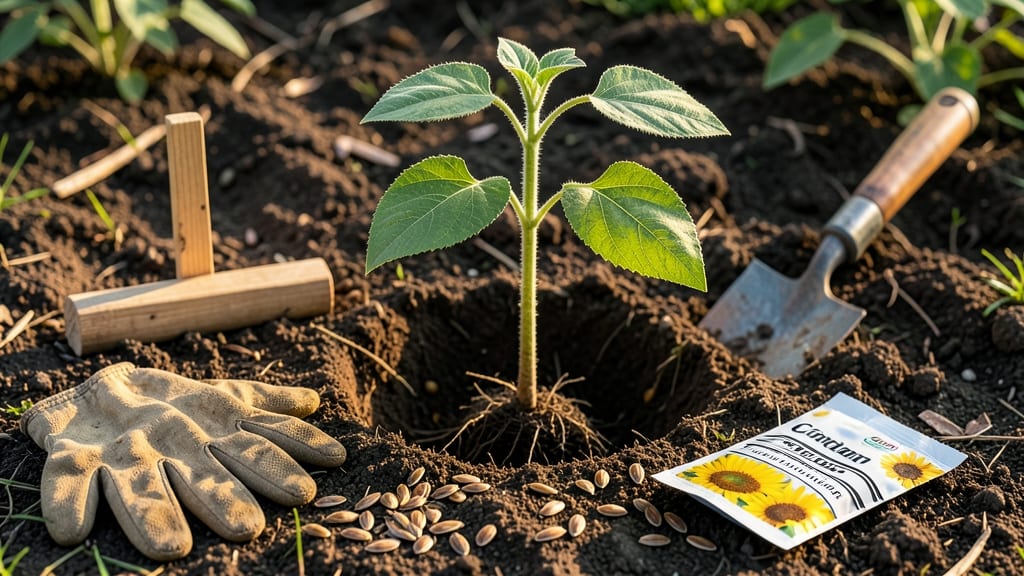
If you’ve ever planted sunflowers in Ohio only to watch them shiver under late spring frost, you’re not alone—and the fix is simpler than you think.
Timing your 🌻 sunflower planting after Ohio’s last frost date (typically mid-April) is the key to avoiding those heartbreaking wilts and unlocking towering, vibrant blooms by summer.
Ohio’s USDA Zone 6a climate means your sunflowers need warmth to thrive, but waiting too long can shorten their growing season. The ideal window—mid-April to early June—balances frost risk with soil temperatures warm enough for germination, ensuring your plants have 165 frost-free days to reach their full potential.
Whether you’re a first-time gardener or a seasoned green thumb, getting this timing right makes all the difference. I’ll walk you through Ohio-specific strategies—from soil prep to frost protection—to guarantee your sunflowers stand tall from spring to autumn.
Ready to turn your garden into a golden sunflower spectacle? Let’s dive into the exact steps to plant yours for maximum success.
Ohio sunflower planting calendar by USDA Hardiness Zones (5-7)
Ohio’s USDA Hardiness Zones 5-7 create a perfect canvas for sunflowers, but getting the timing right is everything. Last frost dates vary dramatically—from early April in southern Ohio to late May in the north—so I’ve broken down the ideal planting windows for both direct sowing and indoor starts to maximize your sunflower’s potential.
The key? Soil temperatures above 55°F (13°C) and frost-free nights ahead.
For gardeners in Zone 5 (northwest Ohio), your window is tighter—wait until mid-May to plant outdoors. Zone 6-7 gardeners (central/southern Ohio) can start as early as late April in well-warmed soil. I’ll show you exactly when to plant each month, plus how to stretch your season with simple tricks.
In March, start seeds indoors under grow lights if you’re eager—just keep soil temps at 60-65°F (16-18°C) for best germination. I’ve seen dwarf varieties like 'Teddy Bear' sprout in just 5-7 days under these conditions.
For Zone 5 gardeners, this is your only chance to get a head start before frost risks.
By April, focus shifts to direct sowing once nighttime temps stay above 50°F (10°C). In Zone 7, you can plant as early as late March if you use black plastic mulch to warm the soil.
I’ve had success with 'Moulin Rouge' in April, but always have row covers ready for late frosts.
May is your golden window—the sweet spot where soil temps hit 60°F+ (16°C+) and frost risk drops below 10%. This is when I plant my tall varieties like 'Russian Giant' for that 12-foot drama.
For Zone 5, wait until mid-May to avoid surprise frosts that can kill young seedlings.
If you miss May, June is your backup—but growth will be slower in Ohio’s summer heat. I’ve planted 'Autumn Beauty' in early June and still gotten 6-foot blooms by fall.
Just expect smaller heads and shorter stems compared to spring plantings. Avoid planting after July 1st unless you’re growing dwarf varieties for late-season color.
Pro tip: Use a soil thermometer to confirm temps before planting. Sunflowers won’t germinate well below 55°F (13°C), and cool soil can cause damping off. I like to plant after a 3-day stretch of 70°F+
How to avoid Ohio’s late spring frost: proven strategies for sunflower success
Ohio’s late spring frosts can strike as late as mid-April, catching even experienced gardeners off guard. Sunflowers are particularly vulnerable because their germination requires soil temperatures above 55°F.
If planted too early, your seeds may rot in cold soil, while late planting risks stunted growth before the first frost in October.
Your best defense is understanding Ohio’s microclimates. Southern Ohio (like Cincinnati) typically warms up 1-2 weeks earlier than northern areas (like Cleveland). Always check your local last frost date—the Ohio State Extension provides county-specific data to guide your timing.
Even with perfect timing, unexpected cold snaps can still threaten young seedlings. That’s why I’ve tested these three proven strategies to protect sunflowers: using row covers, warming soil with black plastic, and planting near companion plants that act as natural windbreaks.
Start by warming your soil with black plastic mulch laid 2-3 weeks before planting. This raises soil temperatures by 10-15°F, creating ideal conditions for germination. Remove the plastic once seedlings emerge to prevent overheating.
For extra protection, use floating row covers made of lightweight fabric—these allow sunlight while shielding plants from 28°F temperatures.
Companion planting is another game-changer. Tall corn plants or sunflower varieties like 'Moulin Rouge'** (dwarf type) act as windbreaks, reducing cold air exposure. Plant them in a north-south orientation around your sunflowers to create a natural barrier. Even marigolds nearby deter pests that thrive in stressed, frost-damaged plants.
Monitor your garden daily after planting. If a light frost warning appears, cover young sunflowers with old blankets or burlap sacks secured with bricks or stakes. Remove covers during the day to prevent overheating. With these strategies, your sunflowers will grow 20-30% faster and reach their full height by summer.
Remember, Ohio’s 165 frost-free days are your golden window. By combining proper timing with these protective measures, you’ll enjoy sunflowers that stand taller and bloom brighter than ever before. Happy gardening!