
Flowers
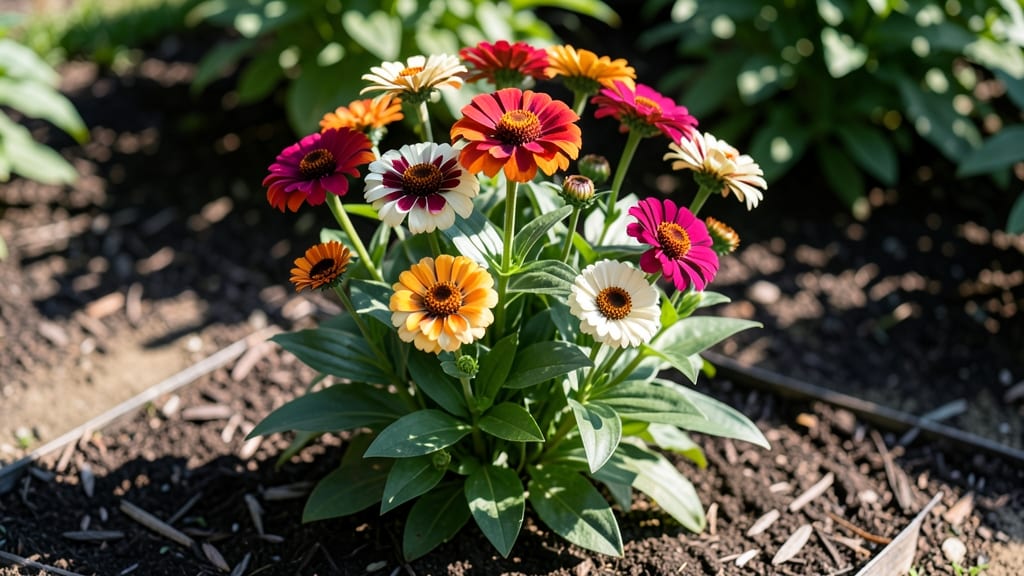
If you're craving a garden that pops with bold, sun-soaked color from midsummer through fall, when do zinnia flowers bloom is the question that unlocks their full potential—but timing your planting is the real game-changer.
These heat-loving annuals typically burst into bloom between July and October, turning your yard into a living postcard, but only if you plant them at the right moment.
Most zinnias planted after the last frost in Zone 6a (like mid-April) will reward you with their first vibrant blooms in just 60-75 days. That means if you sow seeds in early May, you could be snipping fresh-cut flowers for bouquets by July.
The key? Warm soil and consistent sunlight—skip either, and you’ll miss the window entirely.
But here’s the best part: with the right care, these cheerful blooms can keep coming until frost. Whether you’re growing dwarf varieties for containers or towering giants for cut arrangements, I’ll show you exactly how to stretch their season—and why some types bloom faster than others.
Ready to transform your garden into a nonstop parade of color? Let’s break down the month-by-month timeline for zinnias, plus the simple tricks to keep them flowering until the first chill of fall.
Zinnia bloom timeline: month-by-month heat requirements for fastest growth
Zinnias are heat-loving annuals that reward patience with vibrant blooms from mid-summer to frost. Their bloom timeline hinges on soil warmth and daylength, with most varieties reaching maturity in 50–75 days after planting.
In USDA Zones 7–10, you can start seeds as early as February for continuous color, while cooler zones (3–6) need to wait until after last frost (typically April–May).
Understanding your local heat requirements is key—zinnias won’t germinate in cold soil (below 60°F) and may bolt prematurely if exposed to extreme heat before establishing roots.
The fastest-growing varieties, like ‘Profusion’ or ‘Crystal’, bloom in 45–60 days, while tall varieties (e.g., ‘Benary’s Giant’) take 60–75 days.
🌱
In warm climates (Zones 8–10), zinnias planted in February–March will bloom as early as June, while cooler regions (Zones 3–6) should wait until after May 15 to avoid bolting or poor germination.
For example, a Zone 5 gardener planting seeds on May 1 can expect first blooms by July 15, with peak color through September.
Adjust your planting timeline based on your last frost date and variety choice. Dwarf zinnias (like ‘Thumbelina’) bloom in 45 days
How to extend zinnia blooms: pruning, deadheading, and soil secrets for nonstop color
Once your zinnias finally bloom—usually between July and October—you’ll want those bold petals to last as long as possible. The secret? A combination of pruning techniques, deadheading, and soil care that keeps your plants thriving.
I’ve found that zinnias respond dramatically to just a few simple steps, turning a single bloom into weeks of continuous color. Let’s dive into the methods that work best for me—and the ones that don’t.
First, let’s address the biggest misconception: zinnias don’t need heavy pruning to bloom. In fact, over-pruning can stress them and reduce flowers. Instead, focus on light pruning to encourage bushier growth and deadheading to redirect energy into new blooms.
The key is timing—cutting at the right moment makes all the difference.
🌱 PROS-CONS BOX: EXTENDING ZINNIA BLOOMS
For continuous blooming, focus on deadheading every 2-3 days. Simply pinch or snip off the faded blooms just above a set of leaves. This trick works wonders because it prevents the plant from wasting energy on seed production.
I’ve seen zinnias that would’ve stopped blooming by September still producing fresh flowers into October with this method alone.
When it comes to pruning for bushiness, the goal is to encourage more stems rather than taller ones. After your zinnias reach about 6 inches tall, trim the main stems back by about one-third.
This encourages side shoots to form, which will each produce their own flowers. Just be sure to use clean, sharp shears to avoid damaging the plant.
Don’t overlook the power of soil and companions. Zinnias thrive in well-draining soil with a pH between 6.0 and 7.0. Amend your soil with compost before planting to give them a nutrient boost.
Pair them with marigolds or basil to deter pests like spider mites and aphids, which can shorten their bloom time if left unchecked.
Finally, choose the right zinnia varieties for your goals. Continuous-blooming types like ‘Profusion’ or ‘Crystal’ produce flowers nonstop, while single-stem varieties like ‘Benary’s Giant’ focus their energy on fewer, larger blooms. If you want a longer season, opt for the continuous types—they’ll keep you in flowers until frost.
With these techniques, your zinnias won’t just bloom—they’ll thrive and keep your garden vibrant until the first chill of fall. The best part? It takes just 10 minutes a week to maintain. Happy gardening! 🌼