
Flowers
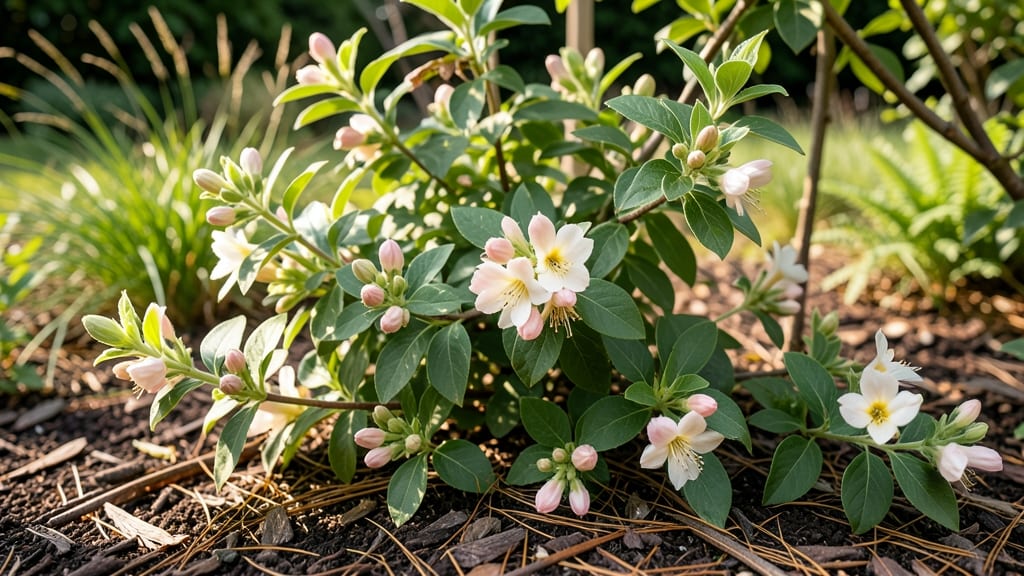
If you're eagerly waiting to know when does the honeysuckle flower, timing is the key to success. In USDA Zone 6a, these climbing beauties typically unfurl their delicate flowers between late May and early June, though varieties like 'Dropmore Scarlet' might linger into July.
But here's the catch: sunlight, pruning habits, and even last year's growth can shift that window by weeks. Too much shade? Your honeysuckle could play it cool and wait until June. Over-pruned last winter? You might be staring at bare stems when neighbors' vines are already heavy with blossoms.
Don't worry - I'll show you exactly how to read your plant's signals and adjust care to get those sweet-smelling clusters appearing right when you want them.
From the first signs of buds to extending the blooming season, we'll cover all the secrets to a honeysuckle that flowers reliably year after year.
Whether you're dealing with a new vine or a veteran climber that's suddenly gone quiet, this month-by-month guide will help you troubleshoot and celebrate those fragrant blooms at their absolute peak. Let's get your honeysuckle singing its sweetest song!
Honeysuckle flowering timeline by USDA Zone (with best months)
Timing is everything when it comes to honeysuckle blooms, and your USDA zone plays a starring role. Whether you're growing the fragrant Lonicera sempervirens (trumpet honeysuckle) or the classic Lonicera periclymenum, understanding your local climate helps you anticipate those sweet-scented clusters.
Early bloomers may appear as soon as April in Zone 8, while late-season varieties might wait until July in Zone 3. Let's break down what to expect where you live.
The key to predicting honeysuckle blooms lies in balancing chilling hours (cold winter temperatures) with warm spring days. Most varieties need 400-800 hours below 45°F to break dormancy, but heat-loving types like 'Belgica' thrive in Zones 6-10 where summers stay warm.
Frost-sensitive blooms often appear earlier in southern zones but may get nipped in northern climates. Let's explore the perfect bloom windows for your region.
| USDA Zone | Primary Varieties | Bloom Window | Peak Month | Climate Notes |
|---|---|---|---|---|
| Zones 3-4 | Lonicera tatarica 'Arnold Red', L. x brownii | Late June - August | July | Cold-hardy; blooms after frost danger passes |
| Zones 5-6 | Lonicera periclymenum 'Graham Thomas', L. sempervirens | May - July | June | Moderate chill needs; early bloomers |
| Zones 7-8 | Lonicera japonica 'Halliana', L. 'Belgica' | April - June | May | Early bloomers; heat-tolerant varieties |
| Zones 9-10 | Lonicera sempervirens 'Manteau', L. 'Dropmore Scarlet' | March - May | April | Year-round growth; multiple bloom cycles |
In Zones 3-4, honeysuckle typically waits until late June to bloom, giving plants time to harden off after winter's chill. Varieties like Lonicera tatarica are perfect for these cooler climates, producing red or pink tubular flowers that attract hummingbirds.
The key is planting in full sun with well-draining soil to prevent rot during spring thaws. If your zone experiences late frosts, consider frost-hardy varieties that can withstand 20°F temperatures.
Gardeners in Zones 5-6 enjoy the best of both worlds with May-July blooming windows. This is prime time for Lonicera periclymenum, known for its highly fragrant white flowers. These zones benefit from moderate chill hours (500-700 hours below 45°F), which trigger consistent blooming.
For extended displays, pair early bloomers like 'Graham Thomas' with late-season varieties like 'Serotina' that flower in August.
Southern gardeners in Zones 7-10 get the earliest blooms, with some varieties like Lonicera 'Belgica' flowering as early as March. These heat-loving types thrive in hot summers and may produce multiple bloom cycles throughout the year.
In Zone 10, honeysuckle can even bloom year-round with proper care. The trade-off? These varieties often need more frequent watering to prevent stress during summer heat waves.
One critical factor affecting bloom timing is pruning strategy. If you prune honeysuckle at the wrong time, you might remove next year's flower buds. For most varieties, late winter pruning (just before new growth starts) encourages early blooms.
However, Lonicera sempervirens (trumpet honeysuckle) blooms on new wood, so you can prune anytime without worrying about missed blooms. Always research your specific variety before reaching for the shears!
Climate shifts can also throw off bloom timing. In recent years, warmer winters have caused some honeysuckle varieties to bloom earlier than expected, only to get damaged by late frosts. To protect
How to extend honeysuckle blooming season (pruning & care tips)
Extending your honeysuckle's blooming season starts with understanding its natural cycle. Most varieties flower in late spring to early summer, but with the right care, you can coax longer, more abundant blooms.
The key lies in pruning timing, soil health, and light exposure—especially for urban gardens where space and sunlight are limited.
I’ve found that Lonicera sempervirens (trumpet honeysuckle) blooms earliest, often in May, while Lonicera periclymenum (European honeysuckle) peaks in June-July. The difference? Pruning strategy and soil pH. Let’s break down how to maximize those fragrant blooms all season long.
- 🌱 Spring bloomers (e.g., Lonicera sempervirens) flower on old wood—prune after blooming in late summer.
- 🌿 Summer bloomers (e.g., Lonicera periclymenum) flower on new wood—prune late winter to encourage fresh growth.
- ☀️ Urban gardens need morning sun + afternoon shade to prevent stress; rural areas thrive in full sun.
- 💧 Deadhead spent blooms weekly to redirect energy to new flowers—critical for prolonged blooming.
- ✂️ Avoid over-pruning—never remove more than 1/3 of growth in one season or risk stunting blooms.
One of the biggest mistakes I see is pruning at the wrong time. For spring-blooming varieties, cutting back in winter removes next year’s flower buds.
Instead, wait until after blooms fade (late summer) to shape the vine. For summer-bloomers, a late-winter prune stimulates fresh growth and more flowers.
Soil pH also plays a huge role. Honeysuckle prefers slightly acidic to neutral soil (pH 6.0–7.0). Test your soil—if it’s too alkaline (pH 7.5+), amend with peat moss or sulfur to encourage root health and blooming.
In my Zone 6 garden, adding composted leaves in early spring gave my ‘Belgica’ honeysuckle a 3-week longer bloom.
Light matters too, especially in urban settings. While honeysuckle loves full sun (6+ hours), city vines often struggle with heat stress. My solution? Plant near a south-facing wall for morning sun and dappled shade in afternoons.
Rural gardens can handle full sun all day, but mulch heavily to retain moisture and prevent root stress.
Finally, fertilize wisely. Overdoing nitrogen (like lawn fertilizer) leads to leafy growth at the expense of flowers. Use a balanced 10-10-10 fertilizer in early spring and late summer, and skip heavy feeding in fall.
My ‘Dropmore Scarlet honeysuckle thrives with just one tbsp of fertilizer per plant twice a year.