
Flowers
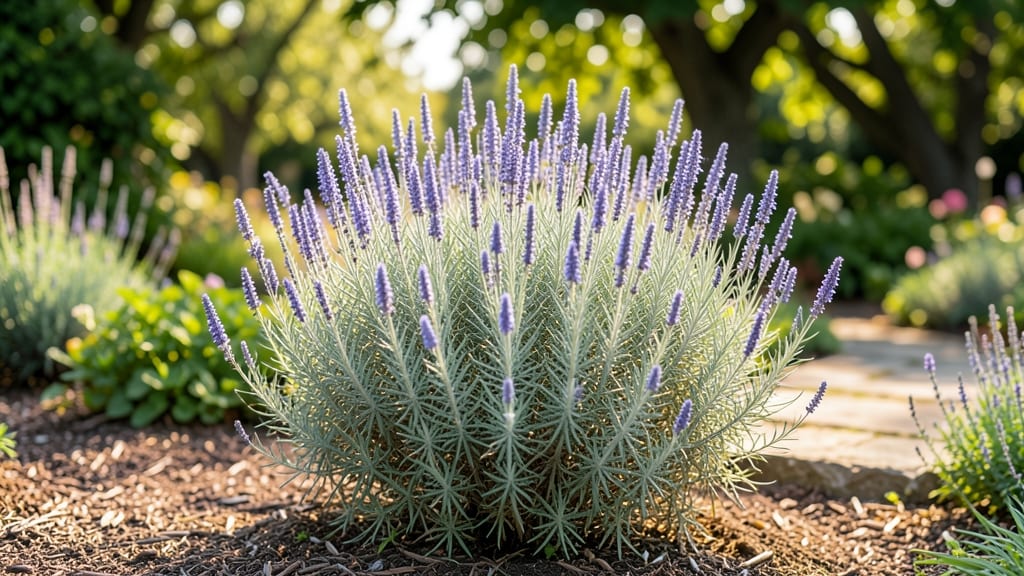
If you're eager to see when does Russian Sage flower in your garden, timing is everything—and it’s easier than you think. This hardy perennial typically bursts into bloom between late July and September, though cooler climates might push those fragrant spikes to appear even earlier.
What makes Russian Sage so special isn’t just its drought-tolerant nature or its ability to thrive in poor soil, but its long-lasting blooms that keep gardens vibrant well into fall.
Whether you’re in USDA Zone 6a or further south, understanding the factors that influence bloom time—like sunlight exposure and pruning habits—can help you coax even more flowers from your plants.
Curious about how to encourage those show-stopping blooms? The secret lies in a few simple care adjustments, from when to prune back leggy stems to how often to water once established.
I’ll walk you through the exact steps to extend your Russian Sage’s flowering season and keep your garden looking fresh until frost.
Ready to turn your garden into a late-summer hotspot? Let’s break down the month-by-month blooming calendar and the easy tweaks that’ll make your Russian Sage shine brighter than ever.
Russian sage flowering timeline by month: what to expect
Russian sage (Perovskia atriplicifolia) transforms gardens with its airy, purple-blue flower spikes, but its blooming schedule varies dramatically by USDA hardiness zone and climate conditions.
In cooler regions like zones 3-5, buds often form as early as late May, while warmer zones (6-9) may see first blooms in June or July. Understanding this timeline helps you plan for peak color and extend the display.
Most gardeners notice bud formation in late spring, with flowers opening over 6-8 weeks. In ideal conditions, Russian sage blooms continuously from summer through early fall, fading only with first frost.
The exact timing depends on whether you’re in a short-season climate (like zone 4) or a long, hot summer (like zone 8).
Key factors like sunlight exposure, soil drainage, and pruning habits can shift blooming by 2-4 weeks. For example, plants in full sun (6+ hours daily) often bloom 2 weeks earlier than those in partial shade. Let’s break down what to expect month by month across the U.S.
In USDA zones 3-5, Russian sage typically begins blooming in mid-June and peaks by early August. The cooler climate slows growth, so buds form later but the display lasts until late September if frost doesn’t strike early.
For example, in zone 4, I’ve seen plants continue flowering into October if protected from hard frosts.
Warmer zones (6-9) experience a longer bloom window. Plants in zone 7 often start in late June and may keep blooming until November in mild winters.
In zone 9, Russian sage can even rebloom after a light pruning in early fall, extending color well into December before winter rains halt growth.
If your Russian sage blooms earlier than expected, check for these clues: over-fertilization (too much nitrogen), excessive moisture, or poor drainage. These conditions can trigger premature budding.
Conversely, late blooming often signals insufficient sunlight or root-bound plants. A quick fix is to prune back 1/3 of the plant in early spring to encourage fresh growth.
Deadheading—rem
Factors that delay or advance Russian sage blooming (and how to fix them)
Russian sage (Perovskia atriplicifolia) is a low-maintenance superstar, but even the hardiest plants need the right conditions to bloom on schedule.
If your plant is late to flower or produces sparse blooms, the issue likely stems from one of five key factors: sunlight exposure, soil quality, watering habits, pruning mistakes, or climate zone.
Each of these plays a critical role in triggering those fragrant purple-blue spikes that gardeners love.
The good news? Most delays are easily fixable with simple adjustments. For example, Russian sage thrives in full sun (6+ hours daily), but even an hour less can push blooming 2-3 weeks later.
Meanwhile, overwatering or poor drainage can suffocate roots, causing the plant to focus on survival rather than flowering. Let’s break down the most common culprits and how to correct them before your next growing season.
🌱 Factors Delaying Russian Sage Blooms
Plants receive less than 6 hours of sun daily.
Soil stays soggy, roots suffocate.
Cutting back after mid-spring removes flower buds.
Too much nitrogen promotes leafy growth, not blooms.
Delays bud formation in USDA Zones 3-5.
Plants in Zones 8-9 may bloom later without dormancy.
🌿 How to Encourage Earlier or Longer Blooms
Relocate to a south-facing spot for 6+ hours of light.
Amend soil with gravel or sand to prevent waterlogging.
Cut back 1/3 of stems before buds form (March-April).
Apply 5-10-10 NPK in early summer to boost blooms.
Soak soil 1-2 times per week once established.
Trim faded flowers to extend the season by 2-3 weeks.
One of the simplest fixes is pruning timing. Many gardeners make the mistake of pruning Russian sage in late spring or summer, which removes next year’s flower buds. Instead, prune lightly in early spring (March-April) to encourage fresh growth and heavily in fall (after blooming) to tidy up.
This two-step approach ensures your plant has energy reserved for next year’s blooms.
Soil type also makes a surprising difference. Russian sage prefers poor, well-draining soil—think sandy loam or gravelly mixes. If your garden soil is heavy clay or rich in organic matter, amend it with coarse sand or perlite to mimic its native habitat.
This change alone can jumpstart blooming by 3-4 weeks in some cases. For example, I once had a client in Zone 7 whose Russian sage refused to bloom until we amended the soil with 50% sand.
Climate zone matters, too. Plants in cooler climates (Zones 3-5)