
Plants
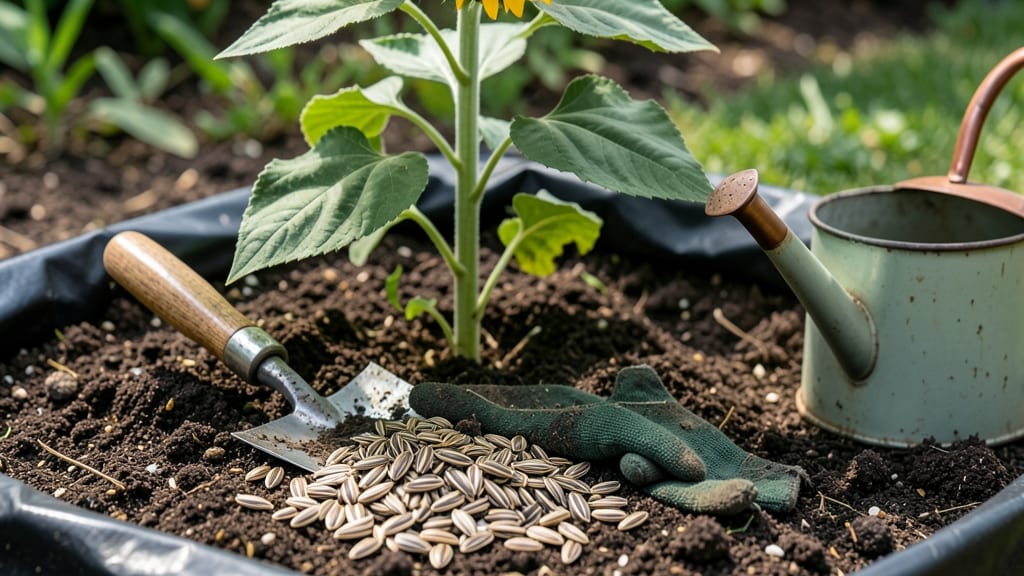
Planting sunflower seeds in Florida might seem simple—after all, those towering 🌻 beauties thrive in heat—but timing can make or break your harvest. Skip the right window, and you’ll end up with leggy stems or flowers that never open.
The key? Knowing your zone (North FL’s 9a vs. South FL’s 10a-11) and when to dodge summer’s brutal heat or winter’s rare chills.
Here’s the secret: Florida’s year-round growing season means you can plant sunflowers almost anytime, but spring and fall are your golden tickets. In North FL, aim for late winter to early spring (February–March) or September–October to beat the worst of summer’s intensity.
South FL gardeners? You’re in luck—plant any month, but late winter and early fall still deliver the most reliable blooms.
Why does timing matter so much? Sunflowers need 60–90 days of steady growth, and Florida’s heat can push them into early bolting (flowering) or stress them out before they mature.
I’ll break down the exact months for each zone, plus how to adjust for your sunflower variety—whether you’re growing giant 12-footers or compact 2-footers for containers.
Ready to skip the guesswork? Let’s dive into the perfect planting schedule for sunflowers that’ll reach for the sky—without wilting in the process.
Best months to plant sunflower seeds in Florida by growing zone
Florida’s three distinct growing zones—North, Central, and South—create unique planting windows for sunflowers. While frost is rarely a concern in the southern half, North Florida’s cooler winters demand careful timing.
Even in South Florida’s frost-free climate, heat stress can limit summer plantings. Let’s break down the best months for each zone to maximize your sunflower’s growth potential and flower production.
Sunflowers thrive in Florida’s warmth, but their ideal planting months shift based on your zone.
In North Florida (Zone 9a), aim for late winter to early spring to avoid summer heat stress. Central Florida (Zone 9b-10a) offers a longer window, while South Florida (Zone 10b-11) allows year-round planting with minor adjustments.
Dwarf varieties handle heat better than giants, so choose wisely based on your zone’s peak temperatures.
Key factors like last frost dates (January 15 in North FL), soil warmth, and humidity levels shape your planting schedule. For example, giant sunflowers need cooler temps to mature, while oil-type varieties tolerate heat better. Below, we’ve organized the best months by zone, including soil prep tips and variety recommendations.
Pro Tip: Test your soil’s pH (6.0–7.0) before planting. Florida’s sandy soils often need compost or organic matter to retain moisture. Amend beds with aged compost or a balanced fertilizer (5-10-10) 2–3 weeks before sowing for faster germination.
| Growing Zone | Best Planting Months | Last Frost Date | Ideal Varieties | Notes |
|---|---|---|---|---|
| North Florida (Zone 9a) | February–April, September–October | January 15 (avg.) | Giant (e.g., 'Mammoth'), Semi-Dwarf (e.g., 'Teddy Bear') | Avoid summer heat; mulch to retain moisture. |
| Central Florida (Zone 9b-10a) | January–May, August–November | December 1 (rare) | Dwarf (e.g., 'Sunspot'), Oil (e.g., 'Russian Mammoth') | Year-round possible; prioritize spring/fall for giants. |
| South Florida (Zone 10b-11) | Year-round (peak: Feb–April, Sep–Nov) | None (frost-free) | Heat-tolerant (e.g., 'Autumn Beauty', 'ProCut') | Summer plantings need shade cloth; mulch heavily. |
In North Florida, February through April is your best bet for giant sunflowers. Plant after the last frost date (January 15) when soil temps reach 60°F+.
For a fall crop, sow seeds in September–October to avoid winter chills. Dwarf varieties like 'Teddy Bear' handle North FL’s heat better than giants and can even tolerate summer planting with extra care.
Central Florida’s longer growing season lets you plant almost year-round, but spring (January–May) and fall (August–November) yield the best results. Summer plantings (June–July) work for dwarf or oil-type sunflowers, but provide afternoon shade to prevent wilting.
Central FL gardeners can experiment with succession planting every 4–6 weeks for continuous blooms.
South Florida’s frost-free climate makes sunflowers a year-round possibility, but summer heat (June–August) demands extra attention. Heat-tolerant varieties like 'Autumn Beauty' thrive in these months, but mulch with straw or wood chips to keep roots cool.
For giant sunflowers, stick to spring (February–April) or fall (September–November) plantings to avoid stress.
Soil temperature is critical for germination. Use a soil thermometer to confirm 60°F+ before planting. In North FL, wait until soil warms in late winter. In South FL, summer soil can exceed 90°F, slowing germination—plant in early morning or late afternoon to reduce heat stress on seeds.
For container growing, adjust timing based on your zone. Containers heat up faster, so South FL growers may need to plant 2–3 weeks earlier than in-ground beds. Use black pots to absorb heat in winter or <
How to adjust planting time for sunflower varieties in Florida’s heat
Florida’s summer heat can turn your sunflower dreams into wilted disappointments if you don’t adjust your planting strategy. The key is matching your sunflower variety to the right season—fast-maturing types handle summer’s intensity better than slow growers.
For example, ‘Moulin Rouge’ (dwarf, 36 days) thrives in July plantings, while ‘Russian Giant’ (120+ days) needs cooler spring or fall starts to avoid bolting.
Heat stress causes sunflowers to bolt prematurely (shoot up without flowering) or develop small, underdeveloped blooms. To combat this, I recommend planting heat-tolerant varieties like ‘Autumn Beauty’ or ‘Teddy Bear’ in June-July, but always provide afternoon shade for young seedlings during Florida’s peak 90°F+ days.
Even a simple row cover or shade cloth can buy you critical growing time.
For extended summer harvests, try a staggered planting approach: sow seeds every 2–3 weeks from May through August. This ensures continuous blooms instead of one massive flush that fades quickly. Pair this with deep watering (1–2 gallons per plant) every morning before 10 AM to prevent heat shock.
- 1. Choose fast-maturing varieties for summer plantings (60–75 days to maturity). Examples: ‘ProCut’ (58 days) or ‘Sunspot’ (55 days) avoid bolting in August heat.
- 2. Plant in late afternoon (4–5 PM) during summer to reduce transplant shock. Soak seeds overnight first for faster germination in dry soil.
- 3. Use mulch (straw or wood chips) to retain moisture and cool roots. Apply a 2–3 inch layer immediately after planting.
- 4. Monitor for heat stress: Wilting leaves or yellowing at the base? Increase water to daily deep soaks and provide temporary shade with a lightweight fabric.
- 5. Adjust fertilizer in summer: Switch to a low-nitrogen, high-phosphorus formula (5-10-10) to encourage blooming over leafy growth.
If you’re growing tall varieties like ‘Mammoth’ or ‘Russian Giant’, consider fall planting (September–October) for North Florida. These giants need 90+ days to mature, and summer’s intensity can stunt their growth. In South Florida, you can push it to November plantings, but watch for hurricane season risks after mid-October.
For container gardening, opt for dwarf varieties like ‘Teddy Bear’ or ‘Pocket Sun’ and plant in May or September. Containers heat up faster than ground soil, so use black plastic pots (absorbs heat) and place them on elevated stands to improve airflow.
Water containers every 2–3 days during summer to prevent root stress.
Remember: Florida’s humidity isn’t just about heat—it’s about pest pressure too. Adjust your planting time to avoid peak mosquito and aphid seasons (June–July). Plant sunflowers in August or September for a second flush of blooms with fewer pests. And always rotate crops to prevent soil-borne diseases from building up.