
Flowers
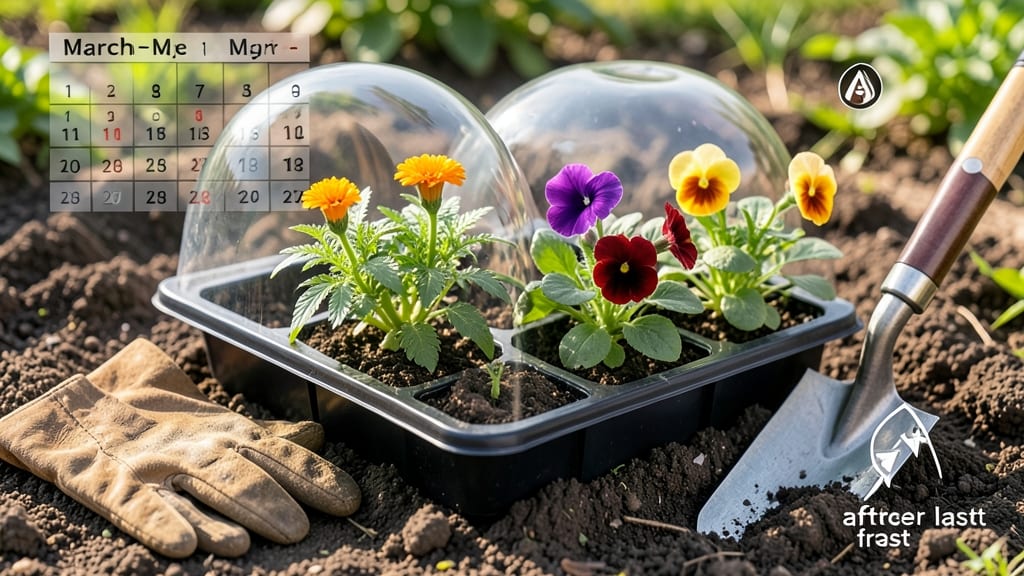
When should flowers be planted to ensure your garden bursts into vibrant blooms? In USDA Zone 6a, where I garden, timing your flower planting just right can mean the difference between a stunning display and a season of disappointment.
Most gardeners wait until after the last frost—typically around April 15 in my region—but the truth is, some flowers thrive when planted earlier, while others need that extra warmth.
Annuals like marigolds and zinnias can handle a little chill, while tender perennials might need to wait until the soil reaches 60°F or warmer. What if you want to push your blooms earlier or extend the season?
The secret lies in adjusting your planting window based on flower type and microclimates in your yard. Whether you’re sowing seeds indoors or transplanting seedlings, I’ll show you how to align your schedule with nature’s calendar for the most stunning results.
Let’s dive into the exact weeks before last frost for your region, plus tips for indoor starts, soil prep, and regional tweaks that’ll have your garden looking like a postcard. Ready to turn your green thumb into a bloom master?
Exact weeks before last frost for planting flowers by USDA Zone
Timing your flower planting is everything—plant too early, and frost will nip tender seedlings in the bud. Too late, and you’ll miss the blooming season entirely. The key lies in knowing your USDA Zone and the exact weeks before last frost for your region.
These windows ensure your flowers get a strong start without frost damage, whether you're planting annuals, perennials, or bulbs.
Most gardeners follow a simple rule: plant cool-season flowers 4-6 weeks before last frost, while warm-season favorites need to wait until 2-4 weeks after. But the devil’s in the details—microclimates, soil temperature, and even elevation can shift these timelines.
Let’s break it down by zone so you can plan with precision.
Below, you’ll find a zone-by-zone guide with exact weeks before last frost for planting, along with frost date averages and adjustments for microclimates like urban heat islands or sheltered valleys. Use this as your planting calendar to avoid common mistakes like overplanting too soon or missing the window entirely.