
Flowers
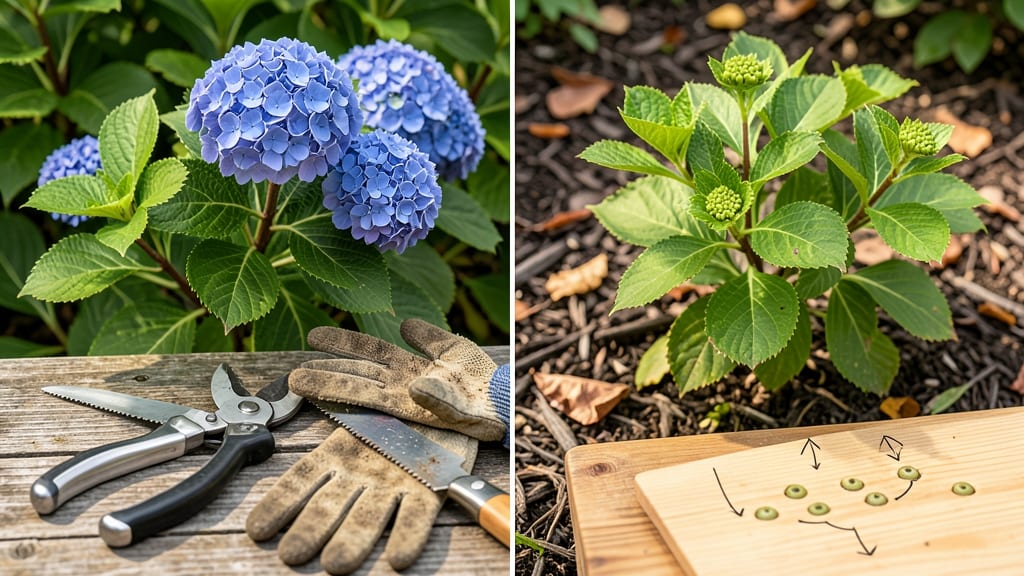
Cutting hydrangea flowers off at the wrong time can mean saying goodbye to next year's stunning blooms—or worse, harming your plant. The key to keeping your 🌸 thriving lies in understanding the perfect late-winter window, which varies by type and can make all the difference in your garden's summer display.
Most gardeners wait until after the last frost, typically around mid-April in Zone 6a, but timing isn't one-size-fits-all. Whether you're growing mophead, lacecap, or panicle varieties, knowing when to prune ensures you don't accidentally remove next season's flower buds. Let me show you how to get it right.
Why does timing matter so much? Because hydrangeas bloom on either old wood (last year's growth) or new wood (this year's shoots). Cut too early, and you might snip off buds that won't form until summer.
Cut too late, and you risk stunting fresh growth. The secret is in reading your plant's signals and choosing the right moment.
In this guide, I'll break down the exact steps for pruning your hydrangeas without killing them, including which tools to use and how to shape your shrubs for maximum blooms. Ready to transform your garden? Let's dive in.
Best late-winter pruning timeline for hydrangeas by type
Late-winter is the perfect time to prune hydrangeas—but not all types follow the same rules. Mophead and lacecap hydrangeas bloom on old wood, while panicle and oakleaf produce flowers on new growth.
Cutting at the wrong time can mean no blooms next season or even damaging your plant. Let’s break down the exact timing for each type to maximize those stunning summer flowers.
Timing is everything because hydrangeas store energy in their woody stems over winter. Pruning too early removes next year’s flower buds, while waiting too long can stress the plant. For old-wood bloomers, prune after the last frost but before new growth starts.
For new-wood bloomers, prune in late winter to encourage fresh growth and bigger blooms. Let’s dive into the specifics for each type.
⚠️ Critical Note: Always use clean, sharp pruners and disinfect them with rubbing alcohol between cuts to prevent disease. Never prune when the ground is frozen—wait until soil thaws slightly for cleaner cuts and less stress on the plant.
| Hydrangea Type | Bloom Cycle | Late-Winter Pruning Window | What to Cut | Key Tip |
|---|---|---|---|---|
| Mophead (H. macrophylla) | Old Wood | Late Feb–early March (after last frost) | Dead/diseased stems + shape lightly | Wait until buds swell slightly |
| Lacecap (H. macrophylla) | Old Wood | Late Feb–early March (after last frost) | Dead stems + thin center for airflow | Avoid heavy pruning—preserve structure |
| Panicle (H. paniculata) | New Wood | Mid-February (before buds break) | Cut back by 1/3 to encourage new growth | Hard prune for bushier, bigger blooms |
| Oakleaf (H. quercifolia) | Old Wood | Late Feb–early March (after frost) | Remove dead wood + shape lightly | Prune to open center for airflow |
🌿 Pro Tip: Mark pruning dates on your calendar based on your last frost date—most hydrangeas need 2-3 weeks of warm soil before pruning.
For mophead and lacecap hydrangeas, the late-winter window is critical. These types bloom on last year’s wood, so pruning too early removes next season’s flowers.
Aim to finish pruning by early March in most climates. Look for swollen buds as a signal—this means the plant is waking up and ready for shaping.
If you’re unsure whether your hydrangea is an old-wood or new-wood bloomer, check last year’s growth: Old-wood types have thick, woody stems with flower buds along them, while new-wood types (like panicle) have thinner stems with buds only at the tips.
When in doubt, err on the side of light pruning—you can always do more later.
Panicle hydrangeas are the exception—they thrive when pruned hard in late winter. Cutting back by 1/3 to 1/2 encourages bushier growth and larger blooms later in the season. This is also the time to remove any dead or crossing branches to improve airflow and reduce disease risk. Think of it as giving your panicle hydrangea a fresh start for the growing season.
Oakleaf hydrangeas are often overlooked but deserve attention. They bloom on old wood like mopheads but have exfoliating bark that adds winter interest. Prune them lightly in late winter to shape the canopy and remove any dead or diseased stems.
Avoid heavy pruning—these shrubs can take years to recover from aggressive cuts. Focus on opening the center to let sunlight reach all parts of the plant.
One common mistake is pruning too late in spring, which can stunt new growth or even kill the plant if done after buds form. If you missed the late-winter window, wait until after flowering
Step-by-Step guide: how to prune hydrangeas without killing them
Pruning hydrangeas might seem intimidating, but with the right timing and technique, you can encourage lush growth and bigger blooms next season. The key is to cut at the right time—after the last frost but before new growth starts.
This ensures you don’t accidentally remove next year’s flower buds while still shaping your shrub for a fuller look.
Before you grab your pruners, gather a few essentials: clean, sharp pruning shears, gloves, and a bucket for clippings. Always sterilize your tools with rubbing alcohol to prevent disease spread. Now, let’s dive into the step-by-step process tailored to your hydrangea type.
When to Cut Hydrangea Flowers Off: Late-Winter Pruning Steps
- 🌱 Step 1: Wait for Dormancy – Prune after the last frost (typically mid-April in Zone 6a), but before new buds swell in spring.
- 🌿 Step 2: Identify Dead Wood – Remove any brown or mushy stems first, as these won’t regrow.
- ✂️ Step 3: Cut Old Blooms – For mophead/lacecap types, trim back last year’s blooms to the first set of 5 healthy leaves.
- 🌳 Step 4: Shape the Bush – Thin out crowded branches to improve airflow, focusing on outer stems for a fuller shape.
- 💧 Step 5: Water & Fertilize – After pruning, give your hydrangea a deep watering and apply balanced fertilizer (10-10-10) to boost recovery.
For panicle hydrangeas, which bloom on new wood, you can prune more aggressively in late winter—even cutting stems down to the ground. This encourages vigorous new growth and larger blooms.
Just avoid pruning oakleaf hydrangeas in late winter, as they bloom on old wood and need their buds preserved.
One common mistake is pruning too late, which can stunt fresh growth. If you miss the late-winter window, wait until early spring but avoid cutting after May, as this risks removing next year’s flower buds.
Always step back and admire your work—your hydrangea will thank you with bountiful blooms come summer!
Pro tip: Take a photo of your hydrangea before pruning to reference its original shape. This helps you maintain symmetry and avoid over-pruning. With practice, you’ll master the art of pruning hydrangeas like a pro—no dead plants in sight! 🌸