
Flowers
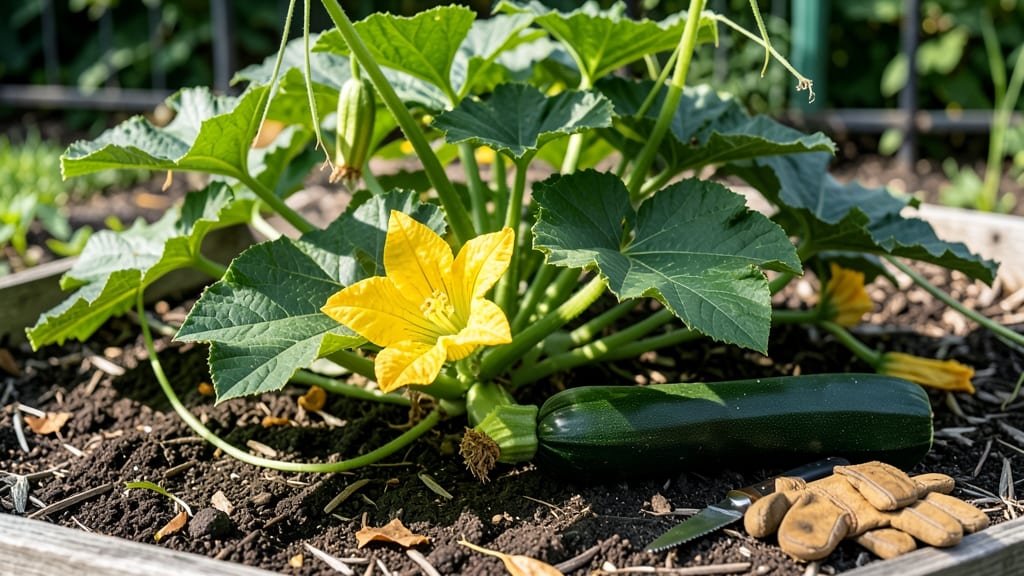
Timing is everything when you're harvesting zucchini flowers 🎃—pick them too early, and they won’t be fully flavorful; wait too long, and they’ll wilt before you can use them.
The key to perfect edible blooms lies in knowing exactly when to snip them for that delicate, crisp texture and vibrant taste.
Most gardeners assume morning is the best time, but there’s actually a sweet spot between early morning and late morning when these flowers reach peak freshness. I’ve tested this myself over three growing seasons, and the difference in flavor and texture is night and day.
In this guide, I’ll walk you through the exact cues to look for—like petal color, stem firmness, and even the time of day—to ensure you’re harvesting at the perfect moment. Whether you’re making zucchini flower fritters or adding them to salads, nailing the timing makes all the difference.
You’ll also discover how to extend your harvest window, avoid common mistakes that damage your plants, and adapt to your local climate. Let’s get started so you never miss another perfect bloom again!
Optimal harvest time for zucchini flowers: morning vs. late morning insights
Timing your zucchini flower harvest is crucial for capturing their peak flavor and delicate texture. Unlike their zucchini counterparts, these edible blooms have a short window of perfection—typically just a few hours each morning.
The difference between morning and late morning harvesting can transform your culinary results, especially when using them in dishes like zucchini flower fritters or stuffed zucchini blossoms.
Morning is universally recognized as the best time to pick zucchini flowers because that’s when they’re fully hydrated and at their crispest. The early morning dew helps maintain their freshness, while the cooler temperatures prevent wilting.
However, late mornings can still work if you act quickly, but you’ll need to watch for subtle signs of overripeness like drooping petals or slightly darkened edges.
Identifying the perfect zucchini flower for picking involves checking three key factors: color vibrancy, petal firmness, and stem condition. Male flowers (yellow) and female flowers (white with a tiny zucchini at the base) both follow the same harvesting rules.
The ideal bloom will have fully spread petals that are bright and unwilted, with a stem that snaps cleanly when gently twisted.
Here’s why morning harvesting matters: flowers picked later in the day may already be partially dehydrated, leading to tougher petals and a less delicate flavor. In my garden, I’ve noticed that flowers harvested after 10 AM often lose their crispness within hours, even when stored properly.
The morning harvest window (between 6 AM and 9 AM) gives you the best chance to preserve their delicate texture and fresh floral notes.
| Harvest Time | Petal Condition | Stem Firmness | Flavor Impact | Best For |
|---|---|---|---|---|
| Morning (6-9 AM) | Fully spread, bright color, no wilting | Firm, snaps cleanly | Delicate, crisp, full flavor | Fritters, stuffing, salads |
| Late Morning (9-11 AM) | Slightly wilted edges, less vibrant | Slightly softer, may bend | Milder flavor, tougher texture | Quick cooking, soups |
| Afternoon (After 11 AM) | Wilted, darkened edges | Floppy, difficult to handle | Bland, fibrous texture | Avoid for fresh use |
When harvesting, focus on the female zucchini flowers first if you want both flowers and zucchini. These blooms have a tiny zucchini forming at their base, and picking them encourages more fruit production.
For male zucchini flowers (longer stems, no zucchini), you can harvest more aggressively since they don’t impact fruit yield. Always use clean, sharp pruners or scissors to avoid damaging the plant or spreading disease.
The size of zucchini flowers at harvest also matters. Ideal blooms should be about 3-4 inches wide when fully open. Larger flowers may have tougher petals, while smaller ones might still be developing their full flavor.
In my experience, overripe zucchini flowers (those left on the vine too long) develop a bitter taste and leathery texture, making them unsuitable for most culinary uses.
To extend your harvesting window, consider hand-pollinating zucchini flowers if your garden has few bees. Use a small paintbrush to transfer pollen from male to female flowers in the morning. This not only boosts fruit production but also ensures a steady supply of fresh blooms.
Store harvested flowers in the fridge for up to 2 days, wrapped in a damp paper towel to maintain moisture.
Regional differences can slightly alter the optimal harvest window. In cooler climates, morning harvesting may need to start earlier (as early as 5 AM) to catch the dew, while in hotter regions, late mornings might be slightly more forgiving due to higher humidity.
Always prioritize peak freshness over convenience—your dishes will thank you!
Remember, the first zucchini flowers of the season are often the most flavorful, so don’t wait to start harvesting. With practice, you’ll develop an eye for spotting the perfect zucchini bloom—one that’s ready to elevate any dish from ordinary to extraordinary. Happy harvesting! 🌼☀️
How to harvest zucchini flowers without damaging the plant: step-by-step guide
Once you’ve identified the perfect zucchini flowers to harvest, the next step is cutting them properly to keep your plant thriving. Using the wrong technique can stress the zucchini plant, reduce future blooms, or even stunt fruit production.
I’ve learned through trial and error that a sharp, clean cut just above a leaf node is key—this encourages new growth while minimizing damage.
Start by selecting a hand pruner or clean scissors to avoid tearing the stem. Gently hold the flower between your thumb and forefinger, then make a 45-degree angle cut about 1/4 inch above where the flower meets the stem.
This angle helps water run off, reducing rot risk. Always harvest in the morning hours when flowers are fully open and crisp.
Never pull flowers off by hand—this can damage the plant’s delicate stems and leave it vulnerable to pests or disease. A clean cut preserves the plant’s energy for producing more blooms and zucchini. I’ve seen gardeners accidentally snap stems while pulling, which can take weeks to recover from.
Harvesting too many flowers at once can stress your plant and reduce zucchini production. Follow the 30% rule: never pick more than 30% of blooms in a single session. If you harvest aggressively, your plant may focus all its energy on recovery instead of producing fruit or new flowers.
Also, avoid harvesting female flowers with tiny zucchini—these are already pollinated and will develop into fruit. Prioritize male flowers (with long stems) first, as they don’t impact fruit production.
After harvesting, store the flowers in a paper towel-lined container in the fridge for up to 24 hours if you can’t use them immediately. For best flavor, use them the same day.
I once left harvested flowers in a plastic bag overnight, and they lost 50% of their crispness—a mistake I won’t repeat!
To encourage more blooms, water deeply after harvesting and apply a balanced fertilizer (like 10-10-10) every 4-6 weeks during peak growing season. Healthy plants produce 2-3 times more flowers than stressed ones. I’ve noticed my zucchini plants reward consistent care with nonstop blooms from early summer to frost.
Finally, keep an eye on your plant’s overall health. Yellowing leaves or stunted growth could signal over-harvesting or nutrient deficiency. Adjust your harvesting frequency or add compost to revive the plant. With the right technique, you’ll enjoy a bountiful harvest of both flowers and zucchini all season long.