
Flowers
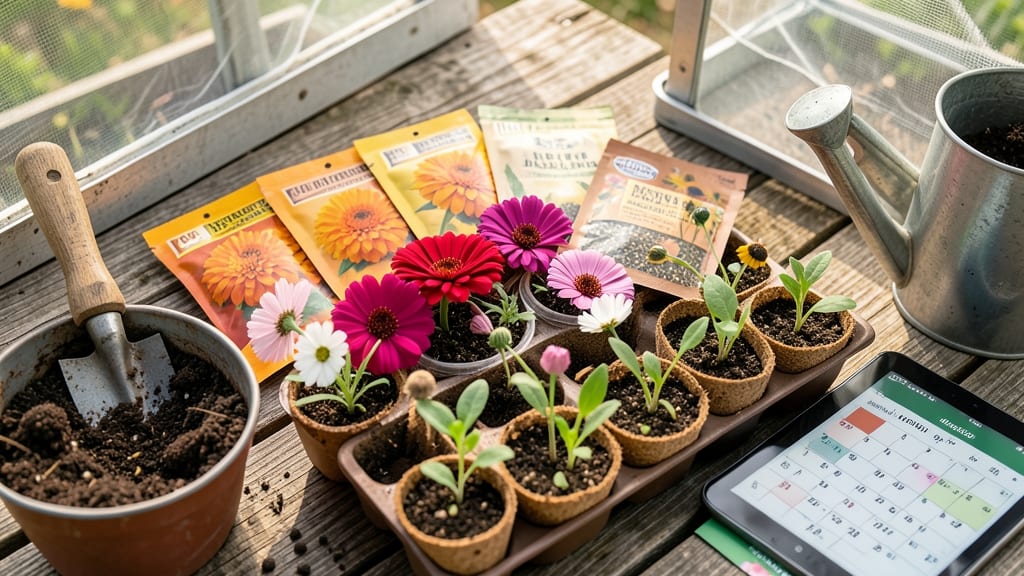
Timing your flower seeds 🌸 planting in Massachusetts isn't just about the calendar—it's about beating the frost and unlocking the full potential of your garden.
With last frosts creeping into mid-April and first frosts arriving by October, even a few weeks can mean the difference between vibrant blooms and wasted effort.
I've learned the hard way that planting too early risks losing tender seedlings to late frosts, while waiting too long cuts your bloom time short. The key is matching each variety to its perfect window—whether you're sowing annuals for summer color or perennials that'll return year after year.
In this guide, I'll break down exactly when to plant in your specific zone (5b-6b), including regional tweaks for coastal vs. inland areas. You'll discover which flowers thrive when planted in early spring, which need the warmth of late summer, and how to stretch your growing season with simple tricks.
Ready to transform your Massachusetts garden into a year-round floral masterpiece? Let's dive into the exact planting schedule that'll give you reliable blooms from spring through fall.
Massachusetts frost dates and best planting months by flower type
Massachusetts gardeners face a challenging but rewarding climate with USDA Zones 5b-6b, where frost dates can shift by 2-3 weeks between inland areas and coastal regions like Boston. Understanding these variations ensures your flower seeds thrive from the first spring planting to the last fall bloom.
In most of Massachusetts, the average last frost date falls between April 15-30, but coastal areas like Cape Cod may see frost-free conditions by April 1.
Inland regions like Western MA often wait until May 1 or later. First frost typically arrives in mid-October, but hardy perennials can survive light frosts.
Here’s how to align your planting schedule with Massachusetts’ frost patterns for annuals, perennials, and cold-hardy flowers, including regional adjustments:
For annual flowers, the key is soil temperature. Most seeds need soil at least 50°F (10°C) to germinate, while heat-lovers like sunflowers require 60°F+ (15°C). Use a soil thermometer to check conditions, especially in Western MA’s cooler microclimates.
In Boston and coastal areas, gardeners can push planting dates 2-3 weeks earlier thanks to the urban heat island effect and proximity to water. For example, cosmos seeds can often be sown by mid-April in Boston, while inland areas may wait until May 1.
Perennials like peony and daylily benefit from early spring planting (April) to establish roots before summer heat. If planting in fall, aim for September—after the soil cools but before first frost.
For fall planting, focus on cool-season flowers like pansies and snapdragons, which can handle light frosts. Sow seeds by August 15 for blooms the following spring, or plant hardy transplants in September for winter color.
Pro tip: Use row covers or cold frames to extend your planting window by 2-4 weeks in spring or fall. This is especially useful in Zone 5b areas like Worcester, where late fro
How to adjust planting for Massachusetts’ microclimates and frost risks
Massachusetts' diverse landscapes create microclimates that can shift your planting windows by weeks. Coastal areas like Cape Cod enjoy warmer springs and later frosts than inland zones, while valleys like the Berkshires often experience earlier frost dates.
Even within your town, a south-facing slope might be 5°F warmer than a shaded north side.
I've seen late May frosts wipe out tender seedlings in my Zone 5b garden while my neighbor's coastal property safely planted marigolds by early April. The key is understanding these variations and adapting your planting strategy to protect your investments.
Here's the critical adjustment: Extend your season with row covers, cold frames, or choose cold-hardy varieties that tolerate 28°F temperatures. For example, sweet alyssum and pansies often survive light frosts, while geraniums need protection until after May 15.
⚠️ callout warning ⚠️
Even after average last frost dates, late frosts can strike until May 20 in inland areas. Use these frost protection strategies:
- Row covers raise temps by 5-8°F
- Cold frames extend season by 4-6 weeks
- Hardy varieties like calendula or nasturtium tolerate 25°F
Pro Tip: Monitor local frost alerts via NOAA or MA Horticultural Society for real-time adjustments.
For maximum bloom reliability, prioritize varieties with long bloom times like coneflowers (June-November) or black-eyed Susans (July-September). These perennials give you 3+ months of color with minimal replanting. I've found that biennials like foxglove planted in late summer often survive winter to bloom spectacularly the next spring.
Another game-changer is succession planting. Instead of one big planting, stagger your annual flowers every 2-3 weeks from May through July. This ensures continuous blooms and reduces the risk of losing everything to a single frost event.
For example, plant zinnias in early May, then again in late June for fall color.
Don't forget about container gardening—pots can be moved to protected microclimates when frost threatens. I keep my tender geraniums in black plastic pots on casters so I can roll them into my garage during cold snaps. This simple trick has saved my summer blooms for years.